Industry
Get a free quote Join to take orders
Non-standard mechanical design

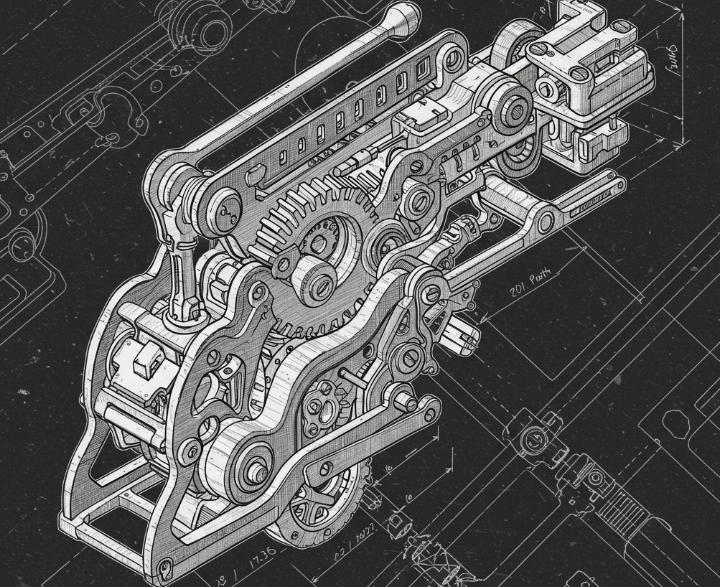
Non-standard mechanical design refers to designing mechanical systems, components, or products that do not conform to typical or conventional design standards or guidelines. Unlike standard designs, which rely on established norms, specifications, and standardized components, non-standard mechanical design is often custom-tailored to meet unique, specific, or specialized requirements that cannot be fulfilled with off-the-shelf solutions.


Here’s how Non-standard Mechanical Design works:


1. Understanding the Problem or Requirement:

Client or Project-Specific Needs: The design process typically starts with understanding the client’s specific requirements. This could involve bespoke product designs, modifications to existing systems, or the creation of a completely new mechanical system for unique applications.

Application Constraints: Non-standard designs often arise when a project involves unconventional applications, such as high-performance machinery, unique environments (e.g., extreme temperatures, high vibrations, corrosive atmospheres), or specialized industries (e.g., aerospace, robotics, medical devices).

Lack of Off-the-Shelf Solutions: Standard solutions may not meet the specific performance, size, material, or aesthetic requirements of the project, leading to the need for custom design work.


2. Innovative Design Process:

Non-standard mechanical designs are driven by creativity, innovation, and problem-solving. Here are key steps in the process:

Conceptualization:

The design team or engineer begins with brainstorming and conceptualizing ideas that address the problem, often considering unconventional approaches. This stage might involve sketches, preliminary simulations, and discussions about the product's functionality and design constraints.

Idea Validation: Engineers test whether the initial concept is viable. At this stage, mathematical models or prototypes may be used to evaluate the core idea before it proceeds to further development.

Customization of Components:

Non-standard designs often require custom components that are not readily available in the market. This could involve designing parts with unique geometries, materials, or functions.

In cases where standardized parts are used, they might be adapted or modified to suit the project’s needs. Custom gears, pulleys, housings, or even integrated systems could be designed to meet specific performance criteria.

Design Optimization:

After conceptualization, the next step is refining the design to meet the necessary specifications, including size, strength, material properties, and operational performance.

Optimization often involves balancing trade-offs between competing factors like weight, durability, cost, and manufacturability.

Advanced computer-aided design (CAD) and finite element analysis (FEA) tools are commonly used to simulate and optimize the behavior of components or systems under real-world conditions (e.g., stress, thermal effects, or fluid dynamics).

Material Selection:

Non-standard designs may require selecting specialized materials that meet the specific performance, aesthetic, or cost criteria. The material selection process is more flexible than standard designs, as it considers factors like strength, flexibility, thermal resistance, corrosion resistance, or biocompatibility.

Sometimes, composite materials or alloys that aren't part of standard industrial use may be required for unique applications.


3. Prototyping and Testing:

Prototype Development: Given that the design is non-standard, physical prototypes are often created to verify the performance and functionality of the design. Prototyping can be done through methods like 3D printing, CNC machining, or traditional fabrication techniques.

Iterative Testing: The prototype is tested under real-world conditions to identify potential flaws, weaknesses, or areas for improvement. This process is iterative, meaning multiple versions of the prototype might be developed and tested to achieve optimal results.

Feedback Loops: Feedback from testing leads to adjustments and redesigns. This iterative process continues until the final design meets all requirements and passes validation tests.


4. Design Verification and Validation:

Functional Testing: The final design undergoes functional tests to ensure that it performs as expected in the intended environment. These tests may include thermal, mechanical, and environmental simulations to assess how the system will behave under different operational conditions.

Compliance Checks: Even though the design is non-standard, it may still need to comply with specific industry standards or regulations, such as safety requirements, performance standards, or environmental guidelines.

Manufacturing Feasibility: The design team also assesses the feasibility of producing the non-standard components, considering factors like production methods, cost efficiency, and scalability.


5. Manufacturing and Production:

Once the design is finalized and validated, it moves to the manufacturing stage. For non-standard designs, this phase involves:

Custom Fabrication: Non-standard designs might require bespoke manufacturing techniques or specialized equipment to create custom components. This can include 3D printing, CNC machining, casting, or forging.

Tooling Design: For mass production of non-standard components, specialized tooling and molds might be needed. The creation of custom molds or dies is common in industries such as automotive, aerospace, and medical device manufacturing.

Quality Control: Throughout production, rigorous quality control measures ensure the parts meet the required specifications. This is particularly important when dealing with non-standard designs, as parts may have unique dimensions, tolerances, or material properties.


6. Application and Maintenance:

Deployment: The non-standard mechanical design is integrated into its intended application, whether it’s a larger system, machine, or standalone product.

Monitoring and Performance Analysis: After deployment, engineers may monitor the performance of the design in real-world use. This ensures that the system continues to function as expected and allows for any necessary adjustments or upgrades.

Maintenance and Upgrades: Non-standard systems might require ongoing maintenance and periodic upgrades, especially as technology evolves or operating conditions change.


Applications of Non-Standard Mechanical Design:

Aerospace: Custom components for aircraft, satellites, and spacecraft, such as specialized connectors, actuators, and lightweight structural elements.

Automotive: Unique parts for high-performance vehicles, electric vehicles, or autonomous cars, including custom engine components, transmissions, or suspension systems.

Medical Devices: Tailored prosthetics, surgical instruments, and medical implants that require precise functionality, biocompatibility, and custom geometries.

Robotics: Customized components for robotic arms, drones, and automated machinery, where precision, speed, and adaptability are critical.

Consumer Electronics: Custom enclosures, mechanisms, or actuators for devices that don’t fit within standard commercial offerings.

Energy Sector: Custom designs for power generation equipment, piping systems, or renewable energy technologies that must withstand extreme environments.


Non-standard mechanical design refers to designing mechanical systems, components, or products that do not conform to typical or conventional design standards or guidelines. Unlike standard designs, which rely on established norms, specifications, and standardized components, non-standard mechanical design is often custom-tailored to meet unique, specific, or specialized requirements that cannot be fulfilled with off-the-shelf solutions.


Here’s how Non-standard Mechanical Design works:


1. Understanding the Problem or Requirement:

Client or Project-Specific Needs: The design process typically starts with understanding the client’s specific requirements. This could involve bespoke product designs, modifications to existing systems, or the creation of a completely new mechanical system for unique applications.

Application Constraints: Non-standard designs often arise when a project involves unconventional applications, such as high-performance machinery, unique environments (e.g., extreme temperatures, high vibrations, corrosive atmospheres), or specialized industries (e.g., aerospace, robotics, medical devices).

Lack of Off-the-Shelf Solutions: Standard solutions may not meet the specific performance, size, material, or aesthetic requirements of the project, leading to the need for custom design work.


2. Innovative Design Process:

Non-standard mechanical designs are driven by creativity, innovation, and problem-solving. Here are key steps in the process:

Conceptualization:

The design team or engineer begins with brainstorming and conceptualizing ideas that address the problem, often considering unconventional approaches. This stage might involve sketches, preliminary simulations, and discussions about the product's functionality and design constraints.

Idea Validation: Engineers test whether the initial concept is viable. At this stage, mathematical models or prototypes may be used to evaluate the core idea before it proceeds to further development.

Customization of Components:

Non-standard designs often require custom components that are not readily available in the market. This could involve designing parts with unique geometries, materials, or functions.

In cases where standardized parts are used, they might be adapted or modified to suit the project’s needs. Custom gears, pulleys, housings, or even integrated systems could be designed to meet specific performance criteria.

Design Optimization:

After conceptualization, the next step is refining the design to meet the necessary specifications, including size, strength, material properties, and operational performance.

Optimization often involves balancing trade-offs between competing factors like weight, durability, cost, and manufacturability.

Advanced computer-aided design (CAD) and finite element analysis (FEA) tools are commonly used to simulate and optimize the behavior of components or systems under real-world conditions (e.g., stress, thermal effects, or fluid dynamics).

Material Selection:

Non-standard designs may require selecting specialized materials that meet the specific performance, aesthetic, or cost criteria. The material selection process is more flexible than standard designs, as it considers factors like strength, flexibility, thermal resistance, corrosion resistance, or biocompatibility.

Sometimes, composite materials or alloys that aren't part of standard industrial use may be required for unique applications.


3. Prototyping and Testing:

Prototype Development: Given that the design is non-standard, physical prototypes are often created to verify the performance and functionality of the design. Prototyping can be done through methods like 3D printing, CNC machining, or traditional fabrication techniques.

Iterative Testing: The prototype is tested under real-world conditions to identify potential flaws, weaknesses, or areas for improvement. This process is iterative, meaning multiple versions of the prototype might be developed and tested to achieve optimal results.

Feedback Loops: Feedback from testing leads to adjustments and redesigns. This iterative process continues until the final design meets all requirements and passes validation tests.


4. Design Verification and Validation:

Functional Testing: The final design undergoes functional tests to ensure that it performs as expected in the intended environment. These tests may include thermal, mechanical, and environmental simulations to assess how the system will behave under different operational conditions.

Compliance Checks: Even though the design is non-standard, it may still need to comply with specific industry standards or regulations, such as safety requirements, performance standards, or environmental guidelines.

Manufacturing Feasibility: The design team also assesses the feasibility of producing the non-standard components, considering factors like production methods, cost efficiency, and scalability.


5. Manufacturing and Production:

Once the design is finalized and validated, it moves to the manufacturing stage. For non-standard designs, this phase involves:

Custom Fabrication: Non-standard designs might require bespoke manufacturing techniques or specialized equipment to create custom components. This can include 3D printing, CNC machining, casting, or forging.

Tooling Design: For mass production of non-standard components, specialized tooling and molds might be needed. The creation of custom molds or dies is common in industries such as automotive, aerospace, and medical device manufacturing.

Quality Control: Throughout production, rigorous quality control measures ensure the parts meet the required specifications. This is particularly important when dealing with non-standard designs, as parts may have unique dimensions, tolerances, or material properties.


6. Application and Maintenance:

Deployment: The non-standard mechanical design is integrated into its intended application, whether it’s a larger system, machine, or standalone product.

Monitoring and Performance Analysis: After deployment, engineers may monitor the performance of the design in real-world use. This ensures that the system continues to function as expected and allows for any necessary adjustments or upgrades.

Maintenance and Upgrades: Non-standard systems might require ongoing maintenance and periodic upgrades, especially as technology evolves or operating conditions change.


Applications of Non-Standard Mechanical Design:

Aerospace: Custom components for aircraft, satellites, and spacecraft, such as specialized connectors, actuators, and lightweight structural elements.

Automotive: Unique parts for high-performance vehicles, electric vehicles, or autonomous cars, including custom engine components, transmissions, or suspension systems.

Medical Devices: Tailored prosthetics, surgical instruments, and medical implants that require precise functionality, biocompatibility, and custom geometries.

Robotics: Customized components for robotic arms, drones, and automated machinery, where precision, speed, and adaptability are critical.

Consumer Electronics: Custom enclosures, mechanisms, or actuators for devices that don’t fit within standard commercial offerings.

Energy Sector: Custom designs for power generation equipment, piping systems, or renewable energy technologies that must withstand extreme environments.


[ Retract ]
Core suppliers