Industry
Get a free quote Join to take orders
Industrial Process Automation

Industrial process automation (IPA) can be applied across various areas of a business, particularly in manufacturing and production environments. The goal of IPA is to reduce human intervention, improve efficiency, enhance product quality, and increase operational flexibility. Here’s a breakdown of where IPA can be used in businesses, along with the benefits:

Where to Apply Industrial Process Automation in Businesses


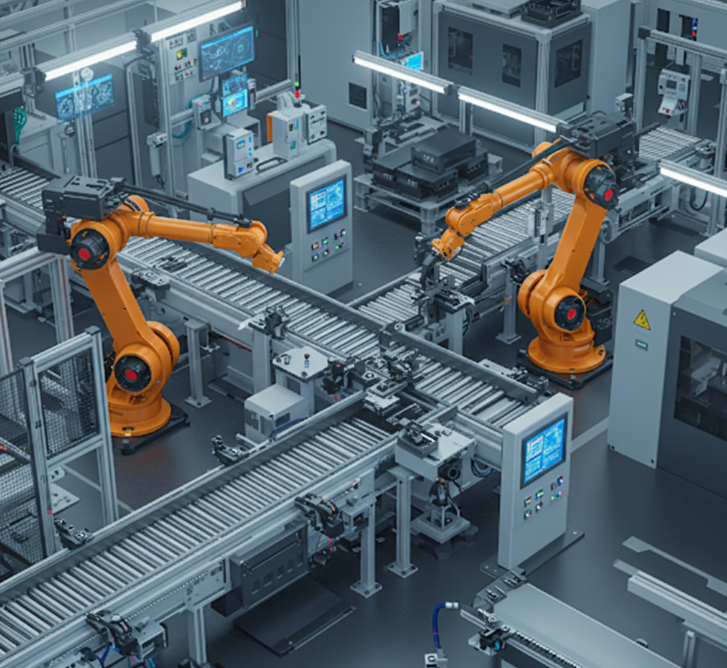
Manufacturing and Production Lines:

Applications: Robotic arms, automated assembly lines, material handling systems, and CNC machines.

Benefits: Increased speed and accuracy in manufacturing, reduced human errors, and the ability to run operations 24/7 without breaks. Automation can also allow for better precision and consistency in the production of complex components.


Quality Control and Inspection:

Applications: Automated visual inspection systems using machine vision, AI-based anomaly detection, and sensors to monitor product quality at various stages of production.

Benefits: Improved product quality through consistent and precise inspections. Automation can detect defects early, leading to fewer faulty products and reducing rework or scrap. It also speeds up the inspection process, reducing time-to-market.


Supply Chain and Inventory Management:

Applications: Automated warehouses, RFID tracking systems, automated sorting and picking systems, and intelligent inventory management software.

Benefits: Better inventory control, reduced stockouts or overstock situations, and optimized warehouse space. Automation helps companies track inventory levels in real-time and predict supply chain disruptions before they happen, ensuring a more efficient flow of goods.


Maintenance and Predictive Maintenance:


Applications: Sensors on machines to monitor their condition, IoT devices for data collection, and AI algorithms for predictive analytics.


Benefits: Predictive maintenance allows businesses to perform maintenance only when necessary, reducing unnecessary downtime and extending the lifespan of equipment. By detecting potential issues before they cause breakdowns, companies can minimize operational disruptions and avoid expensive repairs.


Packaging and Labeling:


Applications: Automated packaging machines, labeling systems, and palletizing robots.


Benefits: Faster packaging and labeling, improved accuracy, and reduced labor costs. Automation can also ensure that packaging meets quality standards and regulatory compliance without human error, all while speeding up the overall production process.


Energy Management:


Applications: Automated energy management systems, smart meters, and IoT-enabled devices that track energy consumption.


Benefits: Optimization of energy use, leading to reduced utility costs. Automation can identify inefficiencies in energy consumption and help adjust systems in real-time, minimizing waste and contributing to sustainability goals.


Material Handling and Logistics:


Applications: Automated guided vehicles (AGVs), conveyor systems, and robotics for material handling.


Benefits: Streamlined movement of materials across the factory floor, reduced human labor, and improved safety by automating potentially dangerous tasks like lifting heavy objects. It also reduces the chance of human error during material handling, improving overall workflow.


Customer Order Processing:


Applications: Automated order entry, payment processing, and fulfillment systems integrated with ERP and CRM platforms.


Benefits: Faster order processing, fewer errors, and better customer satisfaction. Automation ensures accurate and timely order fulfillment while reducing the manual work required for each order, improving overall efficiency in the business.


Data Collection and Reporting:


Applications: Data aggregation and analysis platforms, automated reporting tools, and AI-driven dashboards.


Benefits: Real-time access to performance metrics, production data, and operational analytics. Automation of data collection and reporting improves decision-making, reduces the time spent on administrative tasks, and ensures that data is always accurate and up to date.


Human Resources and Administrative Tasks:


Applications: Automated payroll systems, employee time-tracking systems, and HR management tools.


Benefits: Time savings, fewer administrative errors, and improved employee satisfaction. Automation can help streamline HR processes like recruitment, training, and performance management, allowing HR teams to focus on more strategic tasks.


Industrial process automation (IPA) can be applied across various areas of a business, particularly in manufacturing and production environments. The goal of IPA is to reduce human intervention, improve efficiency, enhance product quality, and increase operational flexibility. Here’s a breakdown of where IPA can be used in businesses, along with the benefits:

Where to Apply Industrial Process Automation in Businesses


Manufacturing and Production Lines:

Applications: Robotic arms, automated assembly lines, material handling systems, and CNC machines.

Benefits: Increased speed and accuracy in manufacturing, reduced human errors, and the ability to run operations 24/7 without breaks. Automation can also allow for better precision and consistency in the production of complex components.


Quality Control and Inspection:

Applications: Automated visual inspection systems using machine vision, AI-based anomaly detection, and sensors to monitor product quality at various stages of production.

Benefits: Improved product quality through consistent and precise inspections. Automation can detect defects early, leading to fewer faulty products and reducing rework or scrap. It also speeds up the inspection process, reducing time-to-market.


Supply Chain and Inventory Management:

Applications: Automated warehouses, RFID tracking systems, automated sorting and picking systems, and intelligent inventory management software.

Benefits: Better inventory control, reduced stockouts or overstock situations, and optimized warehouse space. Automation helps companies track inventory levels in real-time and predict supply chain disruptions before they happen, ensuring a more efficient flow of goods.


Maintenance and Predictive Maintenance:


Applications: Sensors on machines to monitor their condition, IoT devices for data collection, and AI algorithms for predictive analytics.


Benefits: Predictive maintenance allows businesses to perform maintenance only when necessary, reducing unnecessary downtime and extending the lifespan of equipment. By detecting potential issues before they cause breakdowns, companies can minimize operational disruptions and avoid expensive repairs.


Packaging and Labeling:


Applications: Automated packaging machines, labeling systems, and palletizing robots.


Benefits: Faster packaging and labeling, improved accuracy, and reduced labor costs. Automation can also ensure that packaging meets quality standards and regulatory compliance without human error, all while speeding up the overall production process.


Energy Management:


Applications: Automated energy management systems, smart meters, and IoT-enabled devices that track energy consumption.


Benefits: Optimization of energy use, leading to reduced utility costs. Automation can identify inefficiencies in energy consumption and help adjust systems in real-time, minimizing waste and contributing to sustainability goals.


Material Handling and Logistics:


Applications: Automated guided vehicles (AGVs), conveyor systems, and robotics for material handling.


Benefits: Streamlined movement of materials across the factory floor, reduced human labor, and improved safety by automating potentially dangerous tasks like lifting heavy objects. It also reduces the chance of human error during material handling, improving overall workflow.


Customer Order Processing:


Applications: Automated order entry, payment processing, and fulfillment systems integrated with ERP and CRM platforms.


Benefits: Faster order processing, fewer errors, and better customer satisfaction. Automation ensures accurate and timely order fulfillment while reducing the manual work required for each order, improving overall efficiency in the business.


Data Collection and Reporting:


Applications: Data aggregation and analysis platforms, automated reporting tools, and AI-driven dashboards.


Benefits: Real-time access to performance metrics, production data, and operational analytics. Automation of data collection and reporting improves decision-making, reduces the time spent on administrative tasks, and ensures that data is always accurate and up to date.


Human Resources and Administrative Tasks:


Applications: Automated payroll systems, employee time-tracking systems, and HR management tools.


Benefits: Time savings, fewer administrative errors, and improved employee satisfaction. Automation can help streamline HR processes like recruitment, training, and performance management, allowing HR teams to focus on more strategic tasks.


[ Retract ]
Core suppliers