Industry
Get a free quote Join to take orders
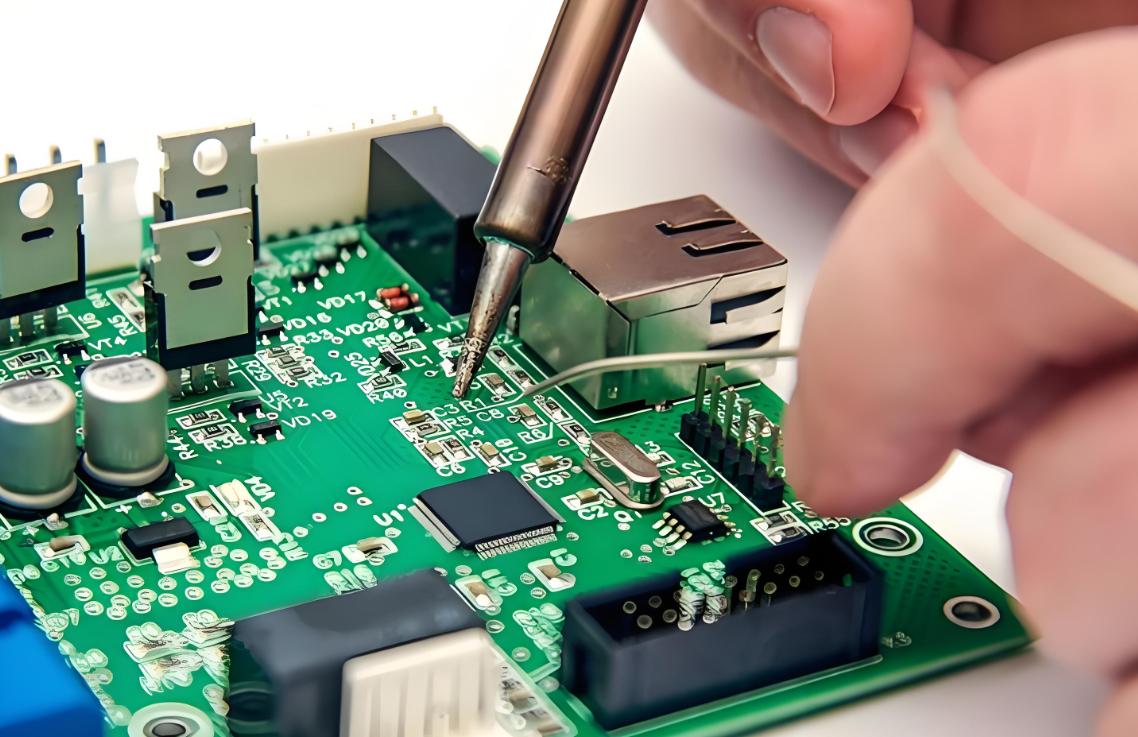
PCB Repair & Maintenance

PCB (Printed Circuit Board) Repair & Maintenance services are crucial for businesses that rely on electronic equipment in various industries, including manufacturing, telecommunications, automotive, medical devices, and more. PCB repair services help reduce the cost of replacing entire boards, minimizes downtime, and extends the lifespan of electronics. Here are the services you can request on this platform in PCB repair and maintenance:


1. PCB Diagnostics & Troubleshooting

Fault Diagnosis: Using specialized tools to diagnose faults in PCBs, including issues like broken traces, short circuits, or component failure.

Component-Level Testing: Checking individual components (capacitors, resistors, diodes, ICs, etc.) for functionality using oscilloscopes, multimeters, and signal generators.

Circuit Analysis: Analyzing the entire circuit for voltage levels, signal flow, and irregularities to pinpoint specific issues with the board.


2. Component Replacement

Surface-Mounted Components (SMT) and Through-Hole Components: Replacing faulty or damaged components such as resistors, capacitors, diodes, and ICs (Integrated Circuits) at the component level.

Micro-Soldering: Using advanced micro-soldering techniques to replace tiny, surface-mount components or to repair damaged pads, especially in high-density PCB designs.

IC Replacement: Replacing defective integrated circuits, microcontrollers, memory chips, or power ICs.


3. PCB Trace Repair

Trace Repair: Repairing damaged or broken PCB traces by using soldering techniques or conductive epoxy to restore the electrical path.

Via Repair: Fixing issues in vias (small holes connecting layers of the PCB) to ensure continuity between layers.

Wire Bonding: Using wire bonding techniques to restore the connection between PCB layers or components where traces have been damaged.


4. PCB Rework & Reflow Soldering

Rework of SMT Components: Using hot air rework stations or soldering irons to remove or replace damaged surface-mounted components.

Reflow Soldering: Re-soldering or reflowing the entire PCB to repair solder joints or fix cold solder connections.

Desoldering and Resoldering: Removing old or faulty solder from connections and applying fresh solder to ensure solid and reliable electrical connections.


5. PCB Cleaning & Refurbishing

Cleaning PCBs: Thorough cleaning of PCBs to remove flux residue, dirt, and corrosion, often using ultrasonic cleaning systems or specialized PCB cleaning chemicals.

Corrosion Removal: Treating corroded PCBs by cleaning and removing corrosion or rust from metal contacts and solder pads.

Component Resurfacing: Refurbishing old components or pads on the PCB, especially for reuse or during repairs.


6. PCB Repair for Complex Assemblies

Multi-layer PCB Repair: Providing repair services for multi-layer PCBs, which require advanced techniques like via repair, layer rework, or handling complex routing issues.

BGA (Ball Grid Array) and QFN (Quad Flat No-lead) Repair: Reworking complex component packages like BGAs and QFNs, which require special equipment and techniques such as reballing or underfill repair.


7. PCB Signal Integrity Repair

Signal Path Repair: Troubleshooting and repairing high-speed signal paths that may have been compromised due to damage or improper soldering, impacting the performance of sensitive electronics.

Impedance Matching: Ensuring that PCB traces are properly impedance-matched to prevent signal reflection and loss in high-frequency circuits.


8. PCB Testing & Verification

Functional Testing: Performing functional tests on the repaired PCB to ensure that it works as expected after repairs (e.g., testing power supply circuits, data communication, etc.).

In-Circuit Testing (ICT): Using automated in-circuit test equipment to check individual PCB components for faults and verify that they are working correctly after repairs.

X-ray Inspection: Using X-ray machines to inspect BGA and other complex solder joints for hidden faults that can’t be seen with the naked eye.


9. PCB Reverse Engineering & Design Modifications

Reverse Engineering: Analyzing and recreating a PCB design from an existing board, useful when original design files are unavailable or if you need to repair or modify old boards.

Design Modifications: Making design changes to improve a PCB, such as changing the layout to accommodate new components or enhancing the circuit's reliability.


10. PCB Conformal Coating & Protection

Conformal Coating Application: Applying protective coatings (e.g., silicone, acrylic, polyurethane) to protect PCBs from environmental factors like moisture, dust, and chemicals, enhancing durability.

Moisture & Dust Protection: Offering sealing solutions to protect PCBs in environments where exposure to humidity, dust, or corrosive elements could lead to failure.


11. PCB Prototyping & Small-Scale Production

Prototype PCB Repair: Providing repair and maintenance for prototype PCBs, ensuring that development boards remain operational for testing and evaluation.

Small-Batch Production Repair: Offering maintenance services for low-volume or custom PCB production runs, helping companies maintain and repair unique or small production runs of PCBs.


12. PCB Environmental Testing

Thermal Cycling Testing: Performing thermal cycling tests to simulate the effects of temperature fluctuations on the PCB to check the reliability of repairs and the PCB’s resilience.

Vibration & Shock Testing: Testing repaired PCBs for performance under vibration or mechanical shock, especially in automotive, aerospace, or industrial applications.


13. PCB Reballing Services

BGA Reballing: Reballing BGA (Ball Grid Array) components to repair or replace defective solder balls or reflow soldering.

Package Rework: Reworking other complex packages like CSP (Chip-on-Board) or QFN to restore functionality or improve connection quality.


14. PCB Upgrade & Modification

Upgrading Components: Replacing outdated or obsolete components on the PCB with more modern, higher-performance parts to enhance functionality or reduce energy consumption.

Modification for New Features: Making modifications to PCBs to add new features or accommodate newer components for improving performance or extending the product lifecycle.


15. PCB Consultation & Support

Design Consultation: Offering consultation on PCB design for better reliability, signal integrity, or manufacturability.

Maintenance Planning: Providing clients with maintenance schedules or plans to minimize PCB failures and maximize the lifespan of their boards.

Repair Documentation: Offering detailed reports and documentation for PCB repairs, including component changes, testing results, and any issues identified during repairs.


16. PCB Rework for High-Reliability Applications

Military & Aerospace PCB Repair: Offering specialized repair services for high-reliability applications, including military, aerospace, and automotive PCBs, which require strict standards and quality control.

Medical Device PCB Repair: Providing repair and maintenance services for PCBs used in medical devices, ensuring that repaired boards meet regulatory standards and perform reliably.


PCB (Printed Circuit Board) Repair & Maintenance services are crucial for businesses that rely on electronic equipment in various industries, including manufacturing, telecommunications, automotive, medical devices, and more. PCB repair services help reduce the cost of replacing entire boards, minimizes downtime, and extends the lifespan of electronics. Here are the services you can request on this platform in PCB repair and maintenance:


1. PCB Diagnostics & Troubleshooting

Fault Diagnosis: Using specialized tools to diagnose faults in PCBs, including issues like broken traces, short circuits, or component failure.

Component-Level Testing: Checking individual components (capacitors, resistors, diodes, ICs, etc.) for functionality using oscilloscopes, multimeters, and signal generators.

Circuit Analysis: Analyzing the entire circuit for voltage levels, signal flow, and irregularities to pinpoint specific issues with the board.


2. Component Replacement

Surface-Mounted Components (SMT) and Through-Hole Components: Replacing faulty or damaged components such as resistors, capacitors, diodes, and ICs (Integrated Circuits) at the component level.

Micro-Soldering: Using advanced micro-soldering techniques to replace tiny, surface-mount components or to repair damaged pads, especially in high-density PCB designs.

IC Replacement: Replacing defective integrated circuits, microcontrollers, memory chips, or power ICs.


3. PCB Trace Repair

Trace Repair: Repairing damaged or broken PCB traces by using soldering techniques or conductive epoxy to restore the electrical path.

Via Repair: Fixing issues in vias (small holes connecting layers of the PCB) to ensure continuity between layers.

Wire Bonding: Using wire bonding techniques to restore the connection between PCB layers or components where traces have been damaged.


4. PCB Rework & Reflow Soldering

Rework of SMT Components: Using hot air rework stations or soldering irons to remove or replace damaged surface-mounted components.

Reflow Soldering: Re-soldering or reflowing the entire PCB to repair solder joints or fix cold solder connections.

Desoldering and Resoldering: Removing old or faulty solder from connections and applying fresh solder to ensure solid and reliable electrical connections.


5. PCB Cleaning & Refurbishing

Cleaning PCBs: Thorough cleaning of PCBs to remove flux residue, dirt, and corrosion, often using ultrasonic cleaning systems or specialized PCB cleaning chemicals.

Corrosion Removal: Treating corroded PCBs by cleaning and removing corrosion or rust from metal contacts and solder pads.

Component Resurfacing: Refurbishing old components or pads on the PCB, especially for reuse or during repairs.


6. PCB Repair for Complex Assemblies

Multi-layer PCB Repair: Providing repair services for multi-layer PCBs, which require advanced techniques like via repair, layer rework, or handling complex routing issues.

BGA (Ball Grid Array) and QFN (Quad Flat No-lead) Repair: Reworking complex component packages like BGAs and QFNs, which require special equipment and techniques such as reballing or underfill repair.


7. PCB Signal Integrity Repair

Signal Path Repair: Troubleshooting and repairing high-speed signal paths that may have been compromised due to damage or improper soldering, impacting the performance of sensitive electronics.

Impedance Matching: Ensuring that PCB traces are properly impedance-matched to prevent signal reflection and loss in high-frequency circuits.


8. PCB Testing & Verification

Functional Testing: Performing functional tests on the repaired PCB to ensure that it works as expected after repairs (e.g., testing power supply circuits, data communication, etc.).

In-Circuit Testing (ICT): Using automated in-circuit test equipment to check individual PCB components for faults and verify that they are working correctly after repairs.

X-ray Inspection: Using X-ray machines to inspect BGA and other complex solder joints for hidden faults that can’t be seen with the naked eye.


9. PCB Reverse Engineering & Design Modifications

Reverse Engineering: Analyzing and recreating a PCB design from an existing board, useful when original design files are unavailable or if you need to repair or modify old boards.

Design Modifications: Making design changes to improve a PCB, such as changing the layout to accommodate new components or enhancing the circuit's reliability.


10. PCB Conformal Coating & Protection

Conformal Coating Application: Applying protective coatings (e.g., silicone, acrylic, polyurethane) to protect PCBs from environmental factors like moisture, dust, and chemicals, enhancing durability.

Moisture & Dust Protection: Offering sealing solutions to protect PCBs in environments where exposure to humidity, dust, or corrosive elements could lead to failure.


11. PCB Prototyping & Small-Scale Production

Prototype PCB Repair: Providing repair and maintenance for prototype PCBs, ensuring that development boards remain operational for testing and evaluation.

Small-Batch Production Repair: Offering maintenance services for low-volume or custom PCB production runs, helping companies maintain and repair unique or small production runs of PCBs.


12. PCB Environmental Testing

Thermal Cycling Testing: Performing thermal cycling tests to simulate the effects of temperature fluctuations on the PCB to check the reliability of repairs and the PCB’s resilience.

Vibration & Shock Testing: Testing repaired PCBs for performance under vibration or mechanical shock, especially in automotive, aerospace, or industrial applications.


13. PCB Reballing Services

BGA Reballing: Reballing BGA (Ball Grid Array) components to repair or replace defective solder balls or reflow soldering.

Package Rework: Reworking other complex packages like CSP (Chip-on-Board) or QFN to restore functionality or improve connection quality.


14. PCB Upgrade & Modification

Upgrading Components: Replacing outdated or obsolete components on the PCB with more modern, higher-performance parts to enhance functionality or reduce energy consumption.

Modification for New Features: Making modifications to PCBs to add new features or accommodate newer components for improving performance or extending the product lifecycle.


15. PCB Consultation & Support

Design Consultation: Offering consultation on PCB design for better reliability, signal integrity, or manufacturability.

Maintenance Planning: Providing clients with maintenance schedules or plans to minimize PCB failures and maximize the lifespan of their boards.

Repair Documentation: Offering detailed reports and documentation for PCB repairs, including component changes, testing results, and any issues identified during repairs.


16. PCB Rework for High-Reliability Applications

Military & Aerospace PCB Repair: Offering specialized repair services for high-reliability applications, including military, aerospace, and automotive PCBs, which require strict standards and quality control.

Medical Device PCB Repair: Providing repair and maintenance services for PCBs used in medical devices, ensuring that repaired boards meet regulatory standards and perform reliably.


[ Retract ]
Core suppliers