Industry
Get a free quote Join to take orders
Machine & Equipment Upgrade

When it comes to Industrial Machine & Equipment Upgrades, the services you can request on this platform enhance the performance, efficiency, and longevity of machinery. Upgrades are essential for companies looking to improve production capabilities, reduce downtime, and meet newer regulatory standards.


1. Technology Integration

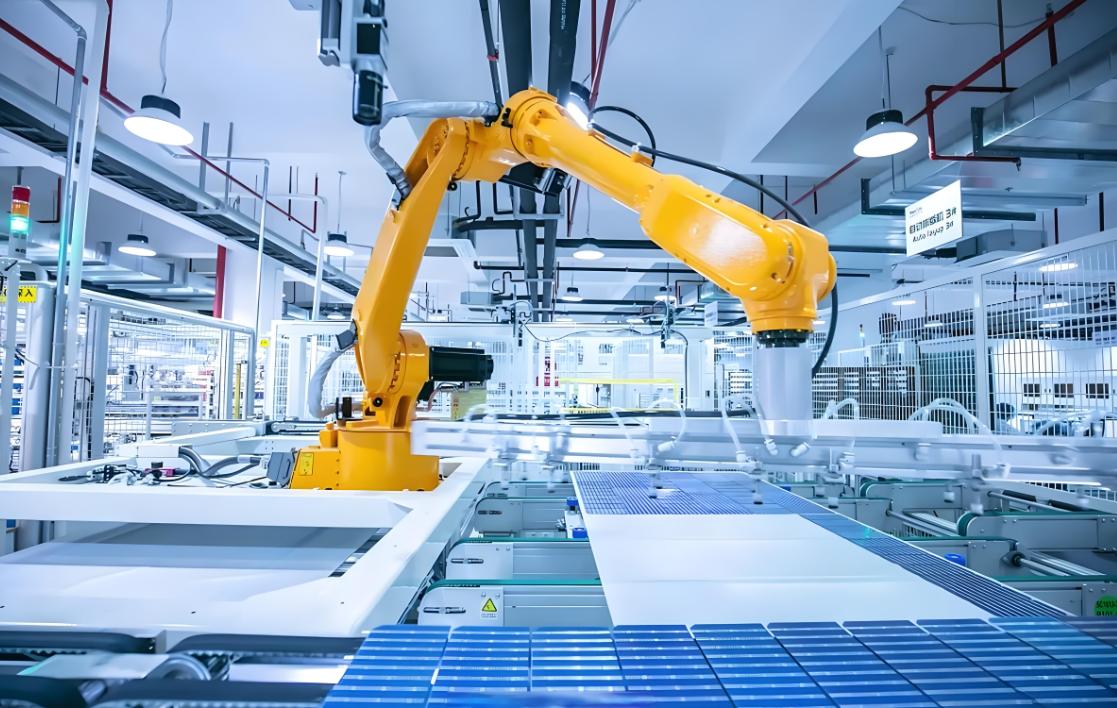
Automation Upgrades: Retrofitting manual or semi-automated machines with PLCs (Programmable Logic Controllers), robotics, or CNC (Computer Numerical Control) systems.

IoT Integration: Adding sensors and connectivity to enable real-time monitoring and data collection.

Smart Factory Solutions: Implementing Industry 4.0 technologies for predictive maintenance and process optimization.


2. Energy Efficiency Upgrades

Motor Upgrades: Replacing old motors with high-efficiency models to reduce energy consumption.

Variable Frequency Drives (VFDs): Installing VFDs to control motor speed and save energy.

LED Lighting: Upgrading lighting systems to energy-efficient LEDs in industrial facilities.

Heat Recovery Systems: Installing systems to capture and reuse waste heat from machinery.


3. Performance Enhancements

Component Upgrades: Replacing outdated components (e.g., bearings, gears, belts) with high-performance alternatives.

Software Updates: Upgrading control software to improve machine functionality and compatibility.

Speed and Precision Improvements: Enhancing machine speed, accuracy, and repeatability through upgrades.


4. Safety and Compliance Upgrades

Safety Systems: Adding safety features like emergency stop buttons, guards, and light curtains.

Compliance Retrofits: Upgrading equipment to meet current safety and environmental regulations (e.g., OSHA, ISO, or EPA standards).

Ergonomic Improvements: Modifying equipment to reduce operator fatigue and improve workplace safety.


5. Capacity and Scalability Upgrades

Increased Throughput: Upgrading machines to handle higher production volumes.

Modular Upgrades: Adding modular components to allow for future expansion or reconfiguration.

Tooling Upgrades: Enhancing tooling systems to support new materials or product designs.


6. Control System Upgrades

PLC Upgrades: Replacing outdated PLCs with modern, more capable systems.

HMI (Human-Machine Interface) Upgrades: Installing advanced HMIs for better operator control and monitoring.

SCADA Systems: Implementing or upgrading Supervisory Control and Data Acquisition systems for centralized control.


7. Retrofitting and Modernization

Mechanical Retrofits: Upgrading mechanical systems to improve reliability and performance.

Electrical Retrofits: Modernizing electrical systems to support new technologies.

Hydraulic/Pneumatic Upgrades: Replacing old hydraulic or pneumatic systems with more efficient alternatives.


8. Customization and Specialization

Custom Machine Modifications: Tailoring equipment to meet specific production needs or handle unique materials.

Specialized Tooling: Designing and installing tooling for specialized applications.

Process-Specific Upgrades: Modifying machines for specific industries (e.g., food processing, pharmaceuticals, automotive).


9. Software and Data Integration

MES (Manufacturing Execution Systems): Implementing systems to track and optimize production processes.

ERP Integration: Connecting machinery to Enterprise Resource Planning systems for better resource management.

Data Analytics: Adding systems to collect and analyze machine data for performance optimization.


10. Training and Support

Operator Training: Teaching staff how to use upgraded equipment effectively.

Maintenance Training: Training maintenance teams to service new systems.

Technical Support: Providing ongoing support for upgraded machinery.


11. Environmental Upgrades

Emission Control Systems: Installing systems to reduce emissions from industrial equipment.

Noise Reduction: Upgrading machinery to operate more quietly.

Waste Reduction: Modifying equipment to minimize material waste.


12. Cost Reduction Upgrades

Material Optimization: Upgrading machines to use less raw material without compromising quality.

Downtime Reduction: Implementing upgrades that reduce unplanned downtime.

Life Extension: Extending the lifespan of existing equipment through strategic upgrades.


13. Turnkey Upgrade Solutions

End-to-End Services: Offering a complete package, from assessment and design to installation and commissioning.

Project Management: Managing the entire upgrade process for clients.

Post-Upgrade Optimization: Fine-tuning systems after upgrades to ensure peak performance.


14. Industry-Specific Upgrades

Manufacturing: Upgrading assembly lines, presses, and CNC machines.

Food and Beverage: Modifying equipment to meet hygiene standards or improve packaging efficiency.

Pharmaceuticals: Upgrading machinery to comply with GMP (Good Manufacturing Practices).

Automotive: Retrofitting welding robots, paint systems, or assembly lines.

Aerospace: Enhancing precision machining and inspection equipment.


15. Remote Monitoring and Diagnostics

Remote Access Systems: Installing systems that allow for remote monitoring and diagnostics.

Predictive Maintenance Integration: Adding sensors and software to enable predictive maintenance capabilities.

Cloud-Based Solutions: Implementing cloud platforms for data storage and analysis.


16. Decommissioning and Replacement

Equipment Assessment: Evaluating whether to upgrade or replace old machinery.

Decommissioning Services: Safely remove and disposing of outdated equipment.

New Equipment Integration: Installing and integrating new machinery with existing systems.


17. Custom Engineering Solutions

Design and Development: Engineering custom upgrades for unique industrial challenges.

Prototyping and Testing: Building and testing prototypes of upgraded systems.

Consulting: Advising clients on the best upgrade options for their needs.


When it comes to Industrial Machine & Equipment Upgrades, the services you can request on this platform enhance the performance, efficiency, and longevity of machinery. Upgrades are essential for companies looking to improve production capabilities, reduce downtime, and meet newer regulatory standards.


1. Technology Integration

Automation Upgrades: Retrofitting manual or semi-automated machines with PLCs (Programmable Logic Controllers), robotics, or CNC (Computer Numerical Control) systems.

IoT Integration: Adding sensors and connectivity to enable real-time monitoring and data collection.

Smart Factory Solutions: Implementing Industry 4.0 technologies for predictive maintenance and process optimization.


2. Energy Efficiency Upgrades

Motor Upgrades: Replacing old motors with high-efficiency models to reduce energy consumption.

Variable Frequency Drives (VFDs): Installing VFDs to control motor speed and save energy.

LED Lighting: Upgrading lighting systems to energy-efficient LEDs in industrial facilities.

Heat Recovery Systems: Installing systems to capture and reuse waste heat from machinery.


3. Performance Enhancements

Component Upgrades: Replacing outdated components (e.g., bearings, gears, belts) with high-performance alternatives.

Software Updates: Upgrading control software to improve machine functionality and compatibility.

Speed and Precision Improvements: Enhancing machine speed, accuracy, and repeatability through upgrades.


4. Safety and Compliance Upgrades

Safety Systems: Adding safety features like emergency stop buttons, guards, and light curtains.

Compliance Retrofits: Upgrading equipment to meet current safety and environmental regulations (e.g., OSHA, ISO, or EPA standards).

Ergonomic Improvements: Modifying equipment to reduce operator fatigue and improve workplace safety.


5. Capacity and Scalability Upgrades

Increased Throughput: Upgrading machines to handle higher production volumes.

Modular Upgrades: Adding modular components to allow for future expansion or reconfiguration.

Tooling Upgrades: Enhancing tooling systems to support new materials or product designs.


6. Control System Upgrades

PLC Upgrades: Replacing outdated PLCs with modern, more capable systems.

HMI (Human-Machine Interface) Upgrades: Installing advanced HMIs for better operator control and monitoring.

SCADA Systems: Implementing or upgrading Supervisory Control and Data Acquisition systems for centralized control.


7. Retrofitting and Modernization

Mechanical Retrofits: Upgrading mechanical systems to improve reliability and performance.

Electrical Retrofits: Modernizing electrical systems to support new technologies.

Hydraulic/Pneumatic Upgrades: Replacing old hydraulic or pneumatic systems with more efficient alternatives.


8. Customization and Specialization

Custom Machine Modifications: Tailoring equipment to meet specific production needs or handle unique materials.

Specialized Tooling: Designing and installing tooling for specialized applications.

Process-Specific Upgrades: Modifying machines for specific industries (e.g., food processing, pharmaceuticals, automotive).


9. Software and Data Integration

MES (Manufacturing Execution Systems): Implementing systems to track and optimize production processes.

ERP Integration: Connecting machinery to Enterprise Resource Planning systems for better resource management.

Data Analytics: Adding systems to collect and analyze machine data for performance optimization.


10. Training and Support

Operator Training: Teaching staff how to use upgraded equipment effectively.

Maintenance Training: Training maintenance teams to service new systems.

Technical Support: Providing ongoing support for upgraded machinery.


11. Environmental Upgrades

Emission Control Systems: Installing systems to reduce emissions from industrial equipment.

Noise Reduction: Upgrading machinery to operate more quietly.

Waste Reduction: Modifying equipment to minimize material waste.


12. Cost Reduction Upgrades

Material Optimization: Upgrading machines to use less raw material without compromising quality.

Downtime Reduction: Implementing upgrades that reduce unplanned downtime.

Life Extension: Extending the lifespan of existing equipment through strategic upgrades.


13. Turnkey Upgrade Solutions

End-to-End Services: Offering a complete package, from assessment and design to installation and commissioning.

Project Management: Managing the entire upgrade process for clients.

Post-Upgrade Optimization: Fine-tuning systems after upgrades to ensure peak performance.


14. Industry-Specific Upgrades

Manufacturing: Upgrading assembly lines, presses, and CNC machines.

Food and Beverage: Modifying equipment to meet hygiene standards or improve packaging efficiency.

Pharmaceuticals: Upgrading machinery to comply with GMP (Good Manufacturing Practices).

Automotive: Retrofitting welding robots, paint systems, or assembly lines.

Aerospace: Enhancing precision machining and inspection equipment.


15. Remote Monitoring and Diagnostics

Remote Access Systems: Installing systems that allow for remote monitoring and diagnostics.

Predictive Maintenance Integration: Adding sensors and software to enable predictive maintenance capabilities.

Cloud-Based Solutions: Implementing cloud platforms for data storage and analysis.


16. Decommissioning and Replacement

Equipment Assessment: Evaluating whether to upgrade or replace old machinery.

Decommissioning Services: Safely remove and disposing of outdated equipment.

New Equipment Integration: Installing and integrating new machinery with existing systems.


17. Custom Engineering Solutions

Design and Development: Engineering custom upgrades for unique industrial challenges.

Prototyping and Testing: Building and testing prototypes of upgraded systems.

Consulting: Advising clients on the best upgrade options for their needs.


[ Retract ]
Core suppliers