Industry
Get a free quote Join to take orders
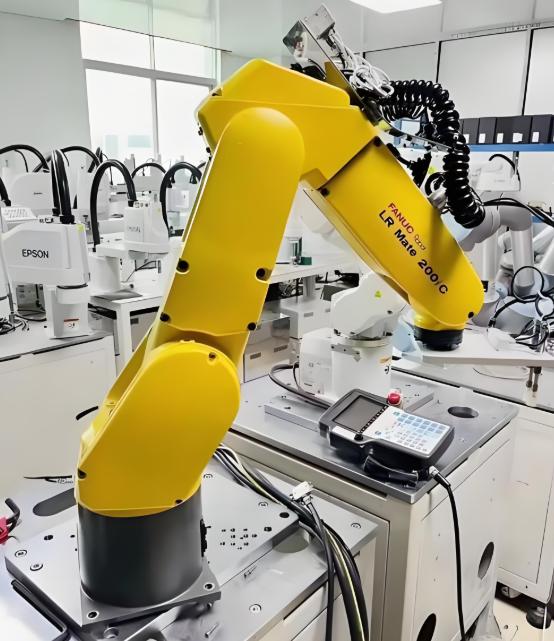
Robotics Maintenance & Repairs

Industrial Robotics Maintenance & Repairs is crucial for keeping robotic systems in top condition, ensuring they remain efficient, safe, and operational. Robots are commonly used for automation, material handling, assembly, and other industrial tasks, and they require regular maintenance and occasional repairs to prevent downtime and extend their lifespan. Here are the key services you can request from this Platform:


1. Routine Preventive Maintenance

Scheduled Inspections: Regular checks of robot components like motors, actuators, joints, and controllers to ensure everything is operating within specifications.

Lubrication and Cleaning: Ensuring that joints, gears, and other moving parts are properly lubricated and cleaned to prevent wear and tear.

Cable and Wiring Inspection: Inspecting and replacing any worn or frayed cables and wiring to prevent electrical issues.

End-Effector Maintenance: Regular maintenance and inspection of end effectors (grippers, welding tips, etc.) to ensure proper functionality and minimize wear.


2. Calibration and Alignment

Robot Calibration: Ensuring the robot’s axes are properly aligned to prevent inaccuracies in the tasks they perform (e.g., welding, assembly, etc.).

Sensor Calibration: Ensuring sensors like vision systems, force sensors, and proximity sensors are properly calibrated to ensure precise operations.

Tooling Calibration: Aligning and calibrating the tools or attachments used by the robot for specific tasks to ensure accurate performance.


3. Robot Programming and Software Support

Reprogramming: Reprogramming robots for new tasks or to address operational issues caused by software glitches.

Robot Software Updates: Installing the latest firmware, patches, or software updates to ensure robots are running the most secure and efficient software versions.

Troubleshooting Software Errors: Identifying and resolving issues with robot programming, including communication problems between the robot and control systems.


4. Repairs & Emergency Services

Component Replacement: Replacing faulty or damaged parts such as motors, actuators, controllers, sensors, and other robotic components.

On-Site Emergency Repairs: Providing rapid on-site services for emergency breakdowns, ensuring minimal downtime and restoring functionality quickly.

Robot Controller Repairs: Diagnosing and repairing faults in robot controllers (CPU, I/O boards, power supplies) to restore proper operation.


5. Robot Performance Optimization

Speed and Efficiency Tuning: Optimizing robot programs for faster, more efficient operation while maintaining precision and reliability.

Energy Efficiency Improvements: Analyzing energy consumption patterns and adjusting the robot settings or components to improve energy efficiency.


6. Condition Monitoring and Diagnostics

Predictive Maintenance: Using sensors and IoT-based solutions to monitor the condition of robots, detect anomalies, and predict when maintenance or repairs will be needed to avoid unexpected breakdowns.

Diagnostic Tools and Software: Using diagnostic tools to check the health of robotic systems, identifying issues such as errors in motion, sensors, or controllers.


7. Safety Inspections and Compliance

Safety Feature Checks: Inspecting safety features such as emergency stops, light curtains, and safety sensors to ensure the robot operates safely in its environment.

Compliance Audits: Ensuring that robots are in compliance with industry standards, regulations, and safety guidelines (e.g., ISO, OSHA).

Robot Guarding and Safety Protocols: Installing or upgrading physical guarding, safety cages, or software protocols that protect human operators from robotic hazards.


8. Robot Retrofits and Upgrades

Technology Upgrades: Retrofitting older robotic systems with newer technologies to improve performance, efficiency, and capabilities (e.g., upgrading to more advanced robotic arms or incorporating AI for better autonomy).

Upgrading Robot Controllers and Software: Installing new controllers or more advanced software features to extend the functionality of existing robots.

End-Effector Upgrades: Upgrading or replacing end-effectors to enhance the robot’s capabilities for specific tasks (e.g., adding more precise grippers or specialized tools).


9. Training and Technical Support

Operator and Maintenance Staff Training: Providing hands-on training for operators and maintenance teams to better understand robot operations, troubleshooting techniques, and basic maintenance practices.

On-Demand Technical Support: Offering ongoing technical support for clients dealing with robotic system issues, including remote troubleshooting and guidance.

Robot Programming Training: Providing training on programming robots for specific tasks and troubleshooting programming issues.


10. Robot System Integration

Robot Integration Services: Installing, configuring, and integrating robots with existing production lines, ensuring smooth communication between robotic systems and other machinery or control systems.

Automation System Setup: Setting up automation processes, such as integrating robots into an automated material handling or packaging system.


11. Parts Supply and Replacement

Spare Parts Supply: Offering a full range of replacement parts for industrial robots, including motors, controllers, cables, sensors, and more.

Custom Parts Manufacturing: Providing custom parts or modifications for robots that may be out of production or need specialized components.


12. Robot Downtime Minimization

Backup Robots and Systems: Setting up backup robots or emergency spare parts to minimize production downtime in the event of failure.

Preventive Measures for Downtime Reduction: Implementing strategies and equipment that help avoid unexpected downtime, such as system redundancy or more frequent maintenance checks.


13. Robotic System Monitoring and Remote Services

Remote Monitoring: Setting up remote access to robotic systems, allowing you to monitor the robot's performance and health from a distance, and provide support or troubleshooting without needing to be physically present.

Cloud-Based Maintenance Systems: Implementing cloud-based systems to remotely monitor, diagnose, and even control robotic systems, allowing for proactive maintenance and faster issue resolution.


14. Specialized Robotic Services

Welding Robots: Maintenance and repair services specifically for robotic welding machines, ensuring they remain accurate and efficient for high-precision welding tasks.

Assembly Line Robots: Providing support for robotic systems used in assembly, adjusting them to improve throughput and accuracy.

Material Handling Robots: Ensuring material handling robots perform optimally, including fixing issues with gripping, lifting, or positioning.


15. Robot Lifecycle Management

End-of-Life Management: Providing advice on robot decommissioning, disposal, or recycling when robots are no longer cost-effective or functional.

Lifecycle Support: Offering long-term support to maintain robots throughout their lifecycle, ensuring they continue to perform well even as they age.


Industrial Robotics Maintenance & Repairs is crucial for keeping robotic systems in top condition, ensuring they remain efficient, safe, and operational. Robots are commonly used for automation, material handling, assembly, and other industrial tasks, and they require regular maintenance and occasional repairs to prevent downtime and extend their lifespan. Here are the key services you can request from this Platform:


1. Routine Preventive Maintenance

Scheduled Inspections: Regular checks of robot components like motors, actuators, joints, and controllers to ensure everything is operating within specifications.

Lubrication and Cleaning: Ensuring that joints, gears, and other moving parts are properly lubricated and cleaned to prevent wear and tear.

Cable and Wiring Inspection: Inspecting and replacing any worn or frayed cables and wiring to prevent electrical issues.

End-Effector Maintenance: Regular maintenance and inspection of end effectors (grippers, welding tips, etc.) to ensure proper functionality and minimize wear.


2. Calibration and Alignment

Robot Calibration: Ensuring the robot’s axes are properly aligned to prevent inaccuracies in the tasks they perform (e.g., welding, assembly, etc.).

Sensor Calibration: Ensuring sensors like vision systems, force sensors, and proximity sensors are properly calibrated to ensure precise operations.

Tooling Calibration: Aligning and calibrating the tools or attachments used by the robot for specific tasks to ensure accurate performance.


3. Robot Programming and Software Support

Reprogramming: Reprogramming robots for new tasks or to address operational issues caused by software glitches.

Robot Software Updates: Installing the latest firmware, patches, or software updates to ensure robots are running the most secure and efficient software versions.

Troubleshooting Software Errors: Identifying and resolving issues with robot programming, including communication problems between the robot and control systems.


4. Repairs & Emergency Services

Component Replacement: Replacing faulty or damaged parts such as motors, actuators, controllers, sensors, and other robotic components.

On-Site Emergency Repairs: Providing rapid on-site services for emergency breakdowns, ensuring minimal downtime and restoring functionality quickly.

Robot Controller Repairs: Diagnosing and repairing faults in robot controllers (CPU, I/O boards, power supplies) to restore proper operation.


5. Robot Performance Optimization

Speed and Efficiency Tuning: Optimizing robot programs for faster, more efficient operation while maintaining precision and reliability.

Energy Efficiency Improvements: Analyzing energy consumption patterns and adjusting the robot settings or components to improve energy efficiency.


6. Condition Monitoring and Diagnostics

Predictive Maintenance: Using sensors and IoT-based solutions to monitor the condition of robots, detect anomalies, and predict when maintenance or repairs will be needed to avoid unexpected breakdowns.

Diagnostic Tools and Software: Using diagnostic tools to check the health of robotic systems, identifying issues such as errors in motion, sensors, or controllers.


7. Safety Inspections and Compliance

Safety Feature Checks: Inspecting safety features such as emergency stops, light curtains, and safety sensors to ensure the robot operates safely in its environment.

Compliance Audits: Ensuring that robots are in compliance with industry standards, regulations, and safety guidelines (e.g., ISO, OSHA).

Robot Guarding and Safety Protocols: Installing or upgrading physical guarding, safety cages, or software protocols that protect human operators from robotic hazards.


8. Robot Retrofits and Upgrades

Technology Upgrades: Retrofitting older robotic systems with newer technologies to improve performance, efficiency, and capabilities (e.g., upgrading to more advanced robotic arms or incorporating AI for better autonomy).

Upgrading Robot Controllers and Software: Installing new controllers or more advanced software features to extend the functionality of existing robots.

End-Effector Upgrades: Upgrading or replacing end-effectors to enhance the robot’s capabilities for specific tasks (e.g., adding more precise grippers or specialized tools).


9. Training and Technical Support

Operator and Maintenance Staff Training: Providing hands-on training for operators and maintenance teams to better understand robot operations, troubleshooting techniques, and basic maintenance practices.

On-Demand Technical Support: Offering ongoing technical support for clients dealing with robotic system issues, including remote troubleshooting and guidance.

Robot Programming Training: Providing training on programming robots for specific tasks and troubleshooting programming issues.


10. Robot System Integration

Robot Integration Services: Installing, configuring, and integrating robots with existing production lines, ensuring smooth communication between robotic systems and other machinery or control systems.

Automation System Setup: Setting up automation processes, such as integrating robots into an automated material handling or packaging system.


11. Parts Supply and Replacement

Spare Parts Supply: Offering a full range of replacement parts for industrial robots, including motors, controllers, cables, sensors, and more.

Custom Parts Manufacturing: Providing custom parts or modifications for robots that may be out of production or need specialized components.


12. Robot Downtime Minimization

Backup Robots and Systems: Setting up backup robots or emergency spare parts to minimize production downtime in the event of failure.

Preventive Measures for Downtime Reduction: Implementing strategies and equipment that help avoid unexpected downtime, such as system redundancy or more frequent maintenance checks.


13. Robotic System Monitoring and Remote Services

Remote Monitoring: Setting up remote access to robotic systems, allowing you to monitor the robot's performance and health from a distance, and provide support or troubleshooting without needing to be physically present.

Cloud-Based Maintenance Systems: Implementing cloud-based systems to remotely monitor, diagnose, and even control robotic systems, allowing for proactive maintenance and faster issue resolution.


14. Specialized Robotic Services

Welding Robots: Maintenance and repair services specifically for robotic welding machines, ensuring they remain accurate and efficient for high-precision welding tasks.

Assembly Line Robots: Providing support for robotic systems used in assembly, adjusting them to improve throughput and accuracy.

Material Handling Robots: Ensuring material handling robots perform optimally, including fixing issues with gripping, lifting, or positioning.


15. Robot Lifecycle Management

End-of-Life Management: Providing advice on robot decommissioning, disposal, or recycling when robots are no longer cost-effective or functional.

Lifecycle Support: Offering long-term support to maintain robots throughout their lifecycle, ensuring they continue to perform well even as they age.


[ Retract ]
Core suppliers