Industry
Get a free quote Join to take orders
Liquid Silicone Rubber Molding

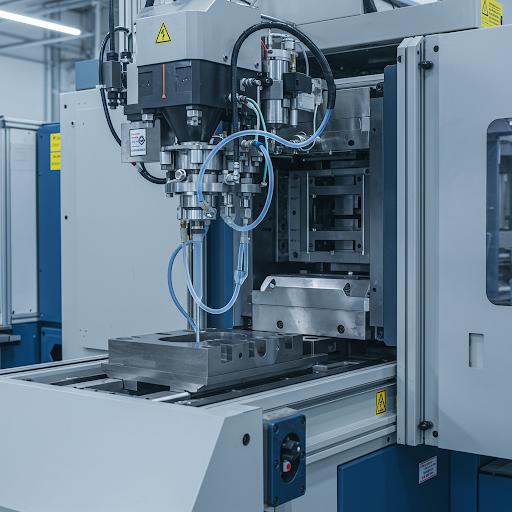
Liquid Silicone Rubber (LSR) molding is a specialized injection molding process used to produce flexible, durable, and heat-resistant silicone parts. LSR is a two-part platinum-cured elastomer that offers excellent thermal stability, biocompatibility, and chemical resistance. This process is widely used in industries such as medical, automotive, consumer goods, and electronics. Here’s a detailed explanation of how LSR molding works:


1. Material Preparation

Two-Part System: LSR consists of two liquid components (Part A and Part B) stored in separate containers. These components are typically mixed in a 1:1 ratio.

Mixing: The two parts are fed into a metering and mixing unit, where they are precisely measured and mixed together. This unit ensures a homogeneous mixture before injection.

Key Point: Proper mixing is critical to achieving consistent material properties and curing.


2. Injection

Process: The mixed LSR is injected into a heated mold cavity under high pressure.

The injection process is carefully controlled to ensure proper filling of the mold, especially for complex geometries.

Key Point: LSR has a low viscosity, allowing it to flow easily into intricate mold designs.


3. Curing

Process: Once the LSR is injected into the mold, it begins to cure (vulcanize) due to the heat of the mold (typically between 120°C and 200°C).

The curing process transforms the liquid silicone into a solid, elastic rubber part.

Key Point: Curing times are relatively short, often ranging from a few seconds to a few minutes, depending on the part’s size and thickness.


4. Ejection

Process: After curing, the mold opens, and the finished part is ejected using ejector pins or plates.

LSR parts typically have a smooth surface finish and require little to no post-processing.

Key Point: Proper mold design and release agents are used to ensure easy ejection without damaging the part.


Key Components of LSR Molding


Metering and Mixing Unit:

Precisely measures and mixes the two LSR components before injection.


Injection Molding Machine: Specially designed for LSR, with features like cold runners to prevent premature curing.


Mold:

Heated to the required temperature for curing. Molds are often made from hardened steel to withstand high temperatures and pressures.


Cold Runner System: Prevents the LSR from curing in the runner system, reducing waste and improving efficiency.


Advantages of LSR Molding

High Precision: Capable of producing parts with tight tolerances and intricate details.

Excellent Material Properties:

Heat resistance (up to 250°C or higher).

Biocompatibility (suitable for medical applications).

Chemical and UV resistance.

Fast Curing: Short cycle times compared to other rubber molding processes.

Consistency: Produces uniform parts with minimal defects.

Flexibility: Ideal for producing soft, flexible, and durable parts.

Wide Range of Applications: Suitable for medical, automotive, consumer goods, and more.


Applications of LSR Molding

Medical Devices: Seals, gaskets, catheters, and surgical tools.

Automotive: Gaskets, seals, and vibration dampeners.

Consumer Goods: Kitchen utensils, baby products, and wearable devices.

Electronics: Keypads, connectors, and protective covers.

Industrial: Seals, gaskets, and insulating components.


Liquid Silicone Rubber (LSR) molding is a specialized injection molding process used to produce flexible, durable, and heat-resistant silicone parts. LSR is a two-part platinum-cured elastomer that offers excellent thermal stability, biocompatibility, and chemical resistance. This process is widely used in industries such as medical, automotive, consumer goods, and electronics. Here’s a detailed explanation of how LSR molding works:


1. Material Preparation

Two-Part System: LSR consists of two liquid components (Part A and Part B) stored in separate containers. These components are typically mixed in a 1:1 ratio.

Mixing: The two parts are fed into a metering and mixing unit, where they are precisely measured and mixed together. This unit ensures a homogeneous mixture before injection.

Key Point: Proper mixing is critical to achieving consistent material properties and curing.


2. Injection

Process: The mixed LSR is injected into a heated mold cavity under high pressure.

The injection process is carefully controlled to ensure proper filling of the mold, especially for complex geometries.

Key Point: LSR has a low viscosity, allowing it to flow easily into intricate mold designs.


3. Curing

Process: Once the LSR is injected into the mold, it begins to cure (vulcanize) due to the heat of the mold (typically between 120°C and 200°C).

The curing process transforms the liquid silicone into a solid, elastic rubber part.

Key Point: Curing times are relatively short, often ranging from a few seconds to a few minutes, depending on the part’s size and thickness.


4. Ejection

Process: After curing, the mold opens, and the finished part is ejected using ejector pins or plates.

LSR parts typically have a smooth surface finish and require little to no post-processing.

Key Point: Proper mold design and release agents are used to ensure easy ejection without damaging the part.


Key Components of LSR Molding


Metering and Mixing Unit:

Precisely measures and mixes the two LSR components before injection.


Injection Molding Machine: Specially designed for LSR, with features like cold runners to prevent premature curing.


Mold:

Heated to the required temperature for curing. Molds are often made from hardened steel to withstand high temperatures and pressures.


Cold Runner System: Prevents the LSR from curing in the runner system, reducing waste and improving efficiency.


Advantages of LSR Molding

High Precision: Capable of producing parts with tight tolerances and intricate details.

Excellent Material Properties:

Heat resistance (up to 250°C or higher).

Biocompatibility (suitable for medical applications).

Chemical and UV resistance.

Fast Curing: Short cycle times compared to other rubber molding processes.

Consistency: Produces uniform parts with minimal defects.

Flexibility: Ideal for producing soft, flexible, and durable parts.

Wide Range of Applications: Suitable for medical, automotive, consumer goods, and more.


Applications of LSR Molding

Medical Devices: Seals, gaskets, catheters, and surgical tools.

Automotive: Gaskets, seals, and vibration dampeners.

Consumer Goods: Kitchen utensils, baby products, and wearable devices.

Electronics: Keypads, connectors, and protective covers.

Industrial: Seals, gaskets, and insulating components.


[ Retract ]
Core suppliers