Industry
Get a free quote Join to take orders
Insert Molding
Insert Molding

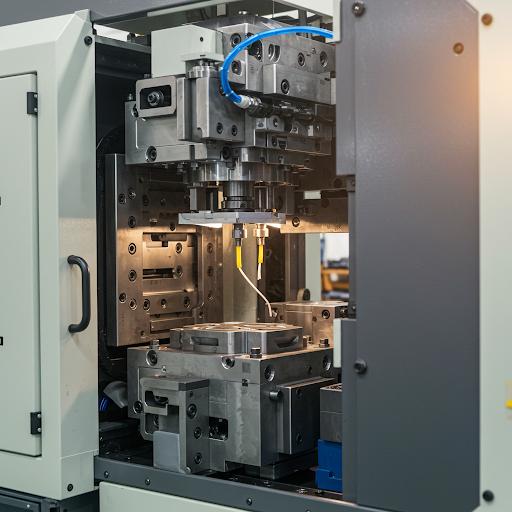
Insert molding is a specialized injection molding process that involves embedding a pre-made component (called an "insert") into a plastic part during the molding process. The insert can be made of metal, plastic, ceramic, or other materials and is placed into the mold before the plastic is injected. Once the plastic cools and solidifies, the insert becomes a permanent part of the finished product. Insert molding is widely used in industries such as automotive, electronics, medical devices, and consumer goods. Here’s a detailed explanation of how insert molding works:


1. Preparation of the Insert

Insert Design: The insert is designed to fit precisely into the mold and integrate seamlessly with the plastic part.

Material Selection: Inserts are typically made of metal (e.g., brass, stainless steel, or aluminum) but can also be made of plastic, ceramic, or other materials.

Surface Treatment: The insert may be cleaned, textured, or coated to improve adhesion with the plastic.


2. Insert Placement

Manual or Automated Placement: The insert is placed into the mold cavity either manually or using automated systems (e.g., robots or pick-and-place machines).

Alignment: The mold is designed with features (e.g., pins, cavities, or magnets) to ensure the insert is properly positioned and secured during the molding process.


3. Injection Molding

Process:

The mold is closed, and molten plastic is injected into the cavity under high pressure.

The plastic flows around and bonds to the insert, encapsulating it completely or partially.

The plastic cools and solidifies, forming a strong mechanical and sometimes chemical bond with the insert.

Key Point: The mold design ensures proper flow of plastic around the insert and prevents movement during injection.


4. Cooling and Ejection

Cooling: The molded part is allowed to cool in the mold, ensuring the plastic fully solidifies around the insert.

Ejection: The finished part, now with the insert securely embedded, is ejected from the mold.


Advantages of Insert Molding

Enhanced Part Strength:

Combines the strength of the insert with the versatility of plastic.

Reduced Assembly:

Eliminates the need for secondary assembly processes (e.g., screwing, welding, or adhesive bonding).

Improved Durability:

Protects the insert from corrosion, wear, and environmental factors.

Design Flexibility:

Allows for complex geometries and multi-material components.

Cost Savings:

Reduces labor and assembly costs by integrating multiple components into a single part.

Better Performance:

Ensures precise alignment and integration of the insert, improving functionality.


Applications of Insert Molding

Automotive:

Electrical connectors, sensors, and gear components.

Electronics:

Circuit board components, connectors, and housings.

Medical Devices:

Surgical tools, implants, and diagnostic equipment.

Consumer Goods:

Appliance handles, knobs, and fasteners.

Industrial Equipment:

Valves, fittings, and machinery components.


Insert molding is a specialized injection molding process that involves embedding a pre-made component (called an "insert") into a plastic part during the molding process. The insert can be made of metal, plastic, ceramic, or other materials and is placed into the mold before the plastic is injected. Once the plastic cools and solidifies, the insert becomes a permanent part of the finished product. Insert molding is widely used in industries such as automotive, electronics, medical devices, and consumer goods. Here’s a detailed explanation of how insert molding works:


1. Preparation of the Insert

Insert Design: The insert is designed to fit precisely into the mold and integrate seamlessly with the plastic part.

Material Selection: Inserts are typically made of metal (e.g., brass, stainless steel, or aluminum) but can also be made of plastic, ceramic, or other materials.

Surface Treatment: The insert may be cleaned, textured, or coated to improve adhesion with the plastic.


2. Insert Placement

Manual or Automated Placement: The insert is placed into the mold cavity either manually or using automated systems (e.g., robots or pick-and-place machines).

Alignment: The mold is designed with features (e.g., pins, cavities, or magnets) to ensure the insert is properly positioned and secured during the molding process.


3. Injection Molding

Process:

The mold is closed, and molten plastic is injected into the cavity under high pressure.

The plastic flows around and bonds to the insert, encapsulating it completely or partially.

The plastic cools and solidifies, forming a strong mechanical and sometimes chemical bond with the insert.

Key Point: The mold design ensures proper flow of plastic around the insert and prevents movement during injection.


4. Cooling and Ejection

Cooling: The molded part is allowed to cool in the mold, ensuring the plastic fully solidifies around the insert.

Ejection: The finished part, now with the insert securely embedded, is ejected from the mold.


Advantages of Insert Molding

Enhanced Part Strength:

Combines the strength of the insert with the versatility of plastic.

Reduced Assembly:

Eliminates the need for secondary assembly processes (e.g., screwing, welding, or adhesive bonding).

Improved Durability:

Protects the insert from corrosion, wear, and environmental factors.

Design Flexibility:

Allows for complex geometries and multi-material components.

Cost Savings:

Reduces labor and assembly costs by integrating multiple components into a single part.

Better Performance:

Ensures precise alignment and integration of the insert, improving functionality.


Applications of Insert Molding

Automotive:

Electrical connectors, sensors, and gear components.

Electronics:

Circuit board components, connectors, and housings.

Medical Devices:

Surgical tools, implants, and diagnostic equipment.

Consumer Goods:

Appliance handles, knobs, and fasteners.

Industrial Equipment:

Valves, fittings, and machinery components.


[ Retract ]
Core suppliers