Industry
Get a free quote Join to take orders
Machine & Equipment OEE & Productivity

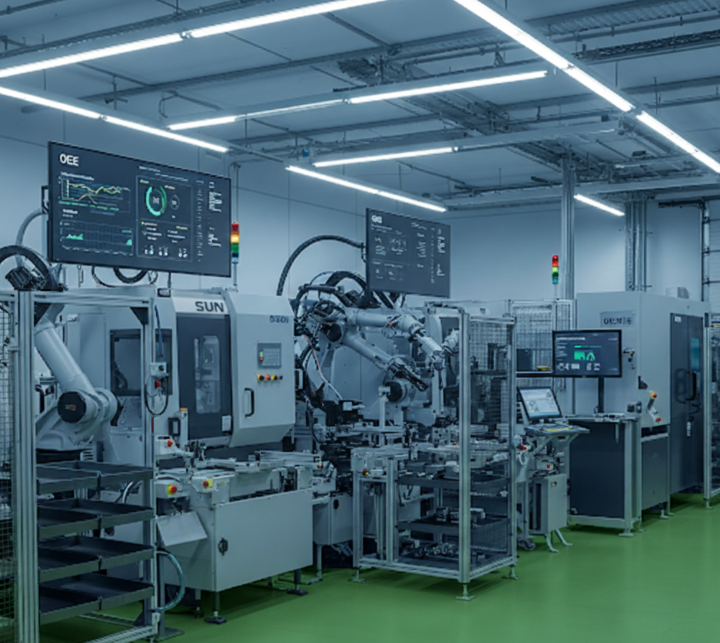
Overall Equipment Effectiveness (OEE) and productivity metrics are critical tools for measuring and improving the performance of machines and equipment in various industries. By tracking OEE and productivity, businesses can identify inefficiencies, reduce downtime, and optimize operations. Here’s where you can use OEE and productivity metrics and the benefits they offer:

Manufacturing:

Automotive Industry: OEE is used to monitor the performance of assembly lines and machines involved in car production, focusing on improving net operation time, quality, and throughput.

Electronics Manufacturing: In electronics production, OEE ensures that machinery used for assembling circuit boards, testing, and packaging is functioning at optimal capacity.

Food & Beverage Production: OEE can be applied to production lines that handle everything from mixing ingredients to packaging, ensuring that downtime is minimized, and output is maximized.


Pharmaceuticals:

Production of Medicines & Devices: OEE helps track machine performance, ensuring that production lines adhere to strict regulatory standards while maximizing efficiency and minimizing waste.

Packaging Lines: In pharmaceutical packaging, OEE helps in optimizing the efficiency of machines responsible for packaging tablets, syringes, and other products.


Paper and Pulp Industry:

OEE helps monitor equipment in paper mills and pulp production to ensure machines are running at optimal performance, reducing stoppages and improving throughput.


Textile and Apparel Manufacturing:

Machines used for weaving, cutting, and stitching can be monitored with OEE systems to ensure efficient production and to identify areas for improvement.


Aerospace and Defense:

Component Manufacturing: In aerospace, where precision is key, OEE can monitor machine performance to ensure that parts are produced without defects and with minimal downtime.

Assembly Lines: OEE is essential in tracking the performance of assembly lines where complex products are being assembled.


Chemical Industry:

Batch Production: OEE is used to ensure chemical plants operate efficiently, keeping equipment up and running to meet production targets, reduce downtime, and enhance process optimization.


Mining and Heavy Industries:

Heavy Equipment Monitoring: OEE helps track the performance of machines like excavators, crushers, and conveyors used in the mining industry, reducing unplanned downtime and improving equipment productivity.


Energy (Power Generation):

Power Plants: OEE can be used to monitor the efficiency of turbines, boilers, and other equipment in power plants, ensuring the plant is running as efficiently as possible and minimizing costly downtime.


Construction and Equipment Rentals:

OEE systems can be applied to monitor machinery and vehicles used in construction projects and equipment rental fleets, optimizing usage and reducing idle time.


Consumer Goods:

Improve the efficiency of production lines for items like electronics, appliances, and textiles.

Reduce defects and improve throughput.


Logistics and Warehousing:

Measure the efficiency of automated systems like conveyor belts and sorting machines.

Improve throughput and reduce delays in order fulfillment.


Benefits of Machine & Equipment OEE & Productivity to Business:


Improved Efficiency:


Reduced Downtime: By continuously tracking machine availability, OEE helps identify and reduce unplanned downtime, leading to smoother production processes.


Faster Response to Issues: OEE systems provide real-time data that can help identify when machines are underperforming, allowing for quicker adjustments to avoid disruptions.


Optimized Production: By analyzing performance and efficiency, businesses can fine-tune production schedules and minimize inefficiencies in the production line.


Cost Reduction:


Lower Maintenance Costs: OEE helps predict when machines are likely to fail, enabling predictive maintenance that reduces the likelihood of costly emergency repairs.


Reduced Scrap and Rework: By improving the quality of production and minimizing downtime, businesses can reduce waste, defective products, and the need for rework, saving both time and material costs.


Higher Quality Products:


Reduced Defects: OEE tracks the effectiveness of machines and processes, enabling businesses to identify quality problems early in production and minimize defects.


Consistent Quality: By improving machine and process efficiency, businesses can ensure that products meet quality standards consistently, reducing variability in the final output.


Increased Productivity:


Better Throughput: By improving machine utilization and reducing downtime, businesses can increase throughput without needing to add more machinery or labor.


Faster Time-to-Market: With improved production speeds and reduced bottlenecks, businesses can deliver products to the market more quickly, gaining a competitive advantage.


Data-Driven Decision-Making:


Real-Time Analytics: OEE systems provide real-time data that allows businesses to make informed decisions about resource allocation, maintenance schedules, and production adjustments.

Performance Tracking: Detailed OEE metrics allow businesses to track the performance of individual machines, shifts, or even entire production lines, providing insights into areas for improvement.


Employee Productivity and Engagement:


Empowered Workforce: By making machine performance data accessible, employees are better informed about the status of equipment and can proactively address issues, leading to higher engagement and ownership over performance.


Streamlined Workflow: OEE systems help identify inefficiencies in workflow, allowing employees to focus on value-added tasks rather than addressing avoidable problems.


Improved Equipment Utilization:


Maximized Asset Efficiency: OEE helps businesses monitor the usage of expensive machinery and assets, ensuring they are used effectively, leading to higher returns on capital investment.


Optimized Capacity: By ensuring machines run at their full potential, businesses can get the most out of existing equipment without the need for new investments.


Increased Profits:


Improved Margins: By improving machine productivity and reducing downtime, businesses can increase output, leading to higher revenue without significantly increasing operating costs.

Better ROI: Investments in OEE monitoring systems often pay off in the form of higher productivity, reduced maintenance costs, and fewer defects, providing a solid return on investment (ROI).


Predictive Maintenance:


Reduced Unplanned Failures: By tracking equipment performance and analyzing trends, OEE systems can help predict when a machine is likely to need maintenance, reducing the risk of unexpected breakdowns.

Optimized Maintenance Schedules: OEE allows businesses to create maintenance schedules that minimize downtime while ensuring equipment longevity, balancing cost and performance.


Sustainability:


Reduced Waste: OEE helps companies identify areas where waste (such as energy or raw materials) can be minimized, contributing to a more sustainable production process.

Lower Environmental Impact: By improving productivity and reducing downtime, companies can minimize energy consumption and waste, contributing to corporate social responsibility (CSR) goals.


Conclusion:

Using OEE and measuring productivity in machines and equipment can provide substantial business benefits, including improved efficiency, reduced costs, higher quality products, and increased profitability. By continuously monitoring and optimizing the performance of equipment, businesses can make data-driven decisions that lead to more streamlined operations and a better bottom line.


Overall Equipment Effectiveness (OEE) and productivity metrics are critical tools for measuring and improving the performance of machines and equipment in various industries. By tracking OEE and productivity, businesses can identify inefficiencies, reduce downtime, and optimize operations. Here’s where you can use OEE and productivity metrics and the benefits they offer:

Manufacturing:

Automotive Industry: OEE is used to monitor the performance of assembly lines and machines involved in car production, focusing on improving net operation time, quality, and throughput.

Electronics Manufacturing: In electronics production, OEE ensures that machinery used for assembling circuit boards, testing, and packaging is functioning at optimal capacity.

Food & Beverage Production: OEE can be applied to production lines that handle everything from mixing ingredients to packaging, ensuring that downtime is minimized, and output is maximized.


Pharmaceuticals:

Production of Medicines & Devices: OEE helps track machine performance, ensuring that production lines adhere to strict regulatory standards while maximizing efficiency and minimizing waste.

Packaging Lines: In pharmaceutical packaging, OEE helps in optimizing the efficiency of machines responsible for packaging tablets, syringes, and other products.


Paper and Pulp Industry:

OEE helps monitor equipment in paper mills and pulp production to ensure machines are running at optimal performance, reducing stoppages and improving throughput.


Textile and Apparel Manufacturing:

Machines used for weaving, cutting, and stitching can be monitored with OEE systems to ensure efficient production and to identify areas for improvement.


Aerospace and Defense:

Component Manufacturing: In aerospace, where precision is key, OEE can monitor machine performance to ensure that parts are produced without defects and with minimal downtime.

Assembly Lines: OEE is essential in tracking the performance of assembly lines where complex products are being assembled.


Chemical Industry:

Batch Production: OEE is used to ensure chemical plants operate efficiently, keeping equipment up and running to meet production targets, reduce downtime, and enhance process optimization.


Mining and Heavy Industries:

Heavy Equipment Monitoring: OEE helps track the performance of machines like excavators, crushers, and conveyors used in the mining industry, reducing unplanned downtime and improving equipment productivity.


Energy (Power Generation):

Power Plants: OEE can be used to monitor the efficiency of turbines, boilers, and other equipment in power plants, ensuring the plant is running as efficiently as possible and minimizing costly downtime.


Construction and Equipment Rentals:

OEE systems can be applied to monitor machinery and vehicles used in construction projects and equipment rental fleets, optimizing usage and reducing idle time.


Consumer Goods:

Improve the efficiency of production lines for items like electronics, appliances, and textiles.

Reduce defects and improve throughput.


Logistics and Warehousing:

Measure the efficiency of automated systems like conveyor belts and sorting machines.

Improve throughput and reduce delays in order fulfillment.


Benefits of Machine & Equipment OEE & Productivity to Business:


Improved Efficiency:


Reduced Downtime: By continuously tracking machine availability, OEE helps identify and reduce unplanned downtime, leading to smoother production processes.


Faster Response to Issues: OEE systems provide real-time data that can help identify when machines are underperforming, allowing for quicker adjustments to avoid disruptions.


Optimized Production: By analyzing performance and efficiency, businesses can fine-tune production schedules and minimize inefficiencies in the production line.


Cost Reduction:


Lower Maintenance Costs: OEE helps predict when machines are likely to fail, enabling predictive maintenance that reduces the likelihood of costly emergency repairs.


Reduced Scrap and Rework: By improving the quality of production and minimizing downtime, businesses can reduce waste, defective products, and the need for rework, saving both time and material costs.


Higher Quality Products:


Reduced Defects: OEE tracks the effectiveness of machines and processes, enabling businesses to identify quality problems early in production and minimize defects.


Consistent Quality: By improving machine and process efficiency, businesses can ensure that products meet quality standards consistently, reducing variability in the final output.


Increased Productivity:


Better Throughput: By improving machine utilization and reducing downtime, businesses can increase throughput without needing to add more machinery or labor.


Faster Time-to-Market: With improved production speeds and reduced bottlenecks, businesses can deliver products to the market more quickly, gaining a competitive advantage.


Data-Driven Decision-Making:


Real-Time Analytics: OEE systems provide real-time data that allows businesses to make informed decisions about resource allocation, maintenance schedules, and production adjustments.

Performance Tracking: Detailed OEE metrics allow businesses to track the performance of individual machines, shifts, or even entire production lines, providing insights into areas for improvement.


Employee Productivity and Engagement:


Empowered Workforce: By making machine performance data accessible, employees are better informed about the status of equipment and can proactively address issues, leading to higher engagement and ownership over performance.


Streamlined Workflow: OEE systems help identify inefficiencies in workflow, allowing employees to focus on value-added tasks rather than addressing avoidable problems.


Improved Equipment Utilization:


Maximized Asset Efficiency: OEE helps businesses monitor the usage of expensive machinery and assets, ensuring they are used effectively, leading to higher returns on capital investment.


Optimized Capacity: By ensuring machines run at their full potential, businesses can get the most out of existing equipment without the need for new investments.


Increased Profits:


Improved Margins: By improving machine productivity and reducing downtime, businesses can increase output, leading to higher revenue without significantly increasing operating costs.

Better ROI: Investments in OEE monitoring systems often pay off in the form of higher productivity, reduced maintenance costs, and fewer defects, providing a solid return on investment (ROI).


Predictive Maintenance:


Reduced Unplanned Failures: By tracking equipment performance and analyzing trends, OEE systems can help predict when a machine is likely to need maintenance, reducing the risk of unexpected breakdowns.

Optimized Maintenance Schedules: OEE allows businesses to create maintenance schedules that minimize downtime while ensuring equipment longevity, balancing cost and performance.


Sustainability:


Reduced Waste: OEE helps companies identify areas where waste (such as energy or raw materials) can be minimized, contributing to a more sustainable production process.

Lower Environmental Impact: By improving productivity and reducing downtime, companies can minimize energy consumption and waste, contributing to corporate social responsibility (CSR) goals.


Conclusion:

Using OEE and measuring productivity in machines and equipment can provide substantial business benefits, including improved efficiency, reduced costs, higher quality products, and increased profitability. By continuously monitoring and optimizing the performance of equipment, businesses can make data-driven decisions that lead to more streamlined operations and a better bottom line.


[ Retract ]
Core suppliers