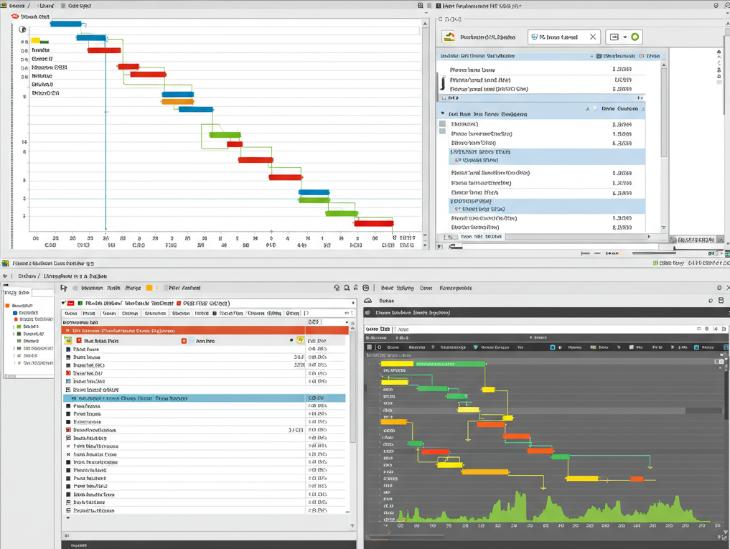
Production Planning and Scheduling (PPS) systems are essential tools for managing manufacturing processes efficiently, ensuring that production resources are used optimally, and that products are delivered on time. Production Planning and Scheduling System (PPS) services involve helping businesses streamline their production processes, optimize resource utilization, and improve overall productivity.
Here’s a detailed list of services you can request from this platform related to Production Planning and Scheduling Systems:
1. Consultation & System Assessment
Business Needs Assessment: Conducting an in-depth analysis of the client’s production processes, goals, and challenges to recommend the most suitable PPS software or enhancements.
Process Mapping & Gap Analysis: Identifying inefficiencies in existing production planning and scheduling workflows and providing a roadmap for improvement.
Custom Solution Design: Designing and recommending custom PPS solutions based on the specific needs of the business, including features like advanced scheduling, real-time monitoring, and production forecasting.
2. PPS System Implementation
System Deployment: Installing and configuring the production planning and scheduling system to ensure it meets the operational needs of the business and integrates with other systems like ERP, inventory management, and supply chain software.
Custom Configuration: Tailoring the PPS system to match the specific production processes, work shift schedules, resource requirements, and production goals of the company.
Data Migration: Assisting with migrating data from legacy systems or spreadsheets to the new PPS system, ensuring data accuracy and minimizing disruption during the transition.
Integration with Other Systems: Integrating PPS software with other enterprise systems such as Enterprise Resource Planning (ERP), Manufacturing Execution Systems (MES), and Warehouse Management Systems (WMS) for seamless workflow automation and data synchronization.
3. Production Scheduling Optimization
Advanced Scheduling Algorithms: Implementing advanced scheduling techniques (e.g., finite scheduling, constraint-based scheduling, and load leveling) to optimize production sequences, minimize downtime, and improve equipment utilization.
Real-Time Production Scheduling: Setting up systems that allow for real-time production scheduling updates based on factors like machine breakdowns, order changes, or material shortages, ensuring better responsiveness.
Resource Allocation & Optimization: Ensuring optimal allocation of resources (human, material, machine) by managing production priorities and constraints, balancing workloads, and reducing idle time.
Capacity Planning: Developing strategies for capacity planning to ensure that production can meet future demand, including adjusting resources, equipment, and labor in response to fluctuations in demand.
4. Demand Forecasting & Production Planning
Demand Forecasting Integration: Integrating demand forecasting tools with PPS systems to align production schedules with anticipated market demand, reducing inventory costs and improving service levels.
Master Production Scheduling (MPS): Assisting businesses in creating accurate master production schedules that align with sales orders, forecasts, and material availability, ensuring the right products are produced at the right time.
Materials Requirement Planning (MRP): Implementing MRP features to ensure that material requirements are met in line with production schedules and inventory levels, minimizing stockouts or overstocking.
Just-In-Time (JIT) Production: Implementing JIT techniques within the PPS system to reduce excess inventory, minimize waste, and streamline production processes, ensuring parts and materials are available when needed.
5. Supply Chain & Inventory Integration
Inventory Management Integration: Ensuring that inventory levels are managed efficiently in coordination with the production schedule to reduce excess stock and improve cash flow.
Supplier & Vendor Coordination: Connecting production schedules with suppliers to ensure materials arrive on time and align with the production plan, preventing delays.
Supplier Lead Time Optimization: Ensuring that production schedules are aligned with the lead times of suppliers, adjusting production plans when necessary to prevent delays due to material shortages.
Order Management Integration: Synchronizing PPS with the order management system to ensure customer orders are prioritized and delivered on time, while considering production capacity and inventory levels.
6. Production Scheduling Automation
Automated Work Order Generation: Setting up automated work order creation based on production schedules, material availability, and demand forecasting, reducing manual intervention.
Shift & Labor Scheduling: Integrating labor scheduling into the PPS system to optimize worker shifts and match the labor force to production needs, improving overall productivity.
Automated Job Assignment: Automating the assignment of production tasks to machines or workstations, ensuring that workloads are balanced and resources are efficiently utilized.
Real-Time Updates & Adjustments: Enabling real-time production scheduling adjustments based on machine availability, material status, or changes in customer demand to ensure continuous production flow.
7. Production Performance Monitoring & Analytics
Real-Time Monitoring: Implementing systems for real-time monitoring of production progress, including work-in-progress (WIP) tracking, machine performance, and labor productivity.
KPIs & Dashboards: Setting up key performance indicators (KPIs) and dashboards to track critical metrics like throughput, efficiency, downtime, and order fulfillment accuracy.
Root Cause Analysis: Using data analytics to identify the root causes of production delays, inefficiencies, or quality issues, and implementing corrective actions based on insights.
Production Bottleneck Identification: Using data-driven insights to identify production bottlenecks and optimize workflows to improve overall throughput and reduce delays.
Performance Reporting: Generating reports on production efficiency, machine utilization, and labor performance to provide insights for continuous improvement and better decision-making.
8. PPS Software Customization
Custom Feature Development: Developing and integrating custom features and functionalities within the PPS software to meet specific business needs (e.g., multi-site scheduling, specific product configurations, or compliance tracking).
User Interface Customization: Customizing the user interface to match the client’s specific workflow needs, making it easier for employees to interact with the system and improve adoption.
System Integration with IoT: Integrating Internet of Things (IoT) devices with the PPS system for real-time data collection from machines, sensors, and equipment, enabling smarter scheduling decisions.
9. Training & Knowledge Transfer
User Training: Providing training for production planners, schedulers, and other key users to ensure they understand how to use the PPS system effectively.
Administrator Training: Offering training for system administrators and IT personnel on how to maintain, configure, and troubleshoot the PPS system.
Process-Specific Training: Conducting specialized training for specific departments like procurement, operations, or inventory control to ensure they know how to interact with the system in their areas of responsibility.
Ongoing Support & Updates: Offering ongoing support, including troubleshooting, answering user queries, and providing software updates as the system evolves or new features are added.
10. Lean Manufacturing Integration
Lean Scheduling Practices: Implementing lean manufacturing principles within the PPS system to reduce waste, optimize workflows, and improve cycle times by focusing on value-added activities.
Kanban Integration: Incorporating Kanban or other pull-based systems into production planning to reduce excess inventory and ensure that production is based on actual demand rather than forecasted demand.
Continuous Improvement Tools: Integrating continuous improvement tools such as Kaizen or Six Sigma methodologies within the PPS software to help businesses constantly optimize their production processes.
11. Supply Chain & Demand Variability Management
Demand Variation Handling: Helping businesses handle variations in demand (e.g., seasonal fluctuations, promotions, or last-minute orders) by developing flexible production schedules that can easily adapt to changes.
Capacity Flexibility: Ensuring the PPS system can adjust production schedules to maximize capacity utilization while minimizing costs during periods of demand fluctuations or resource constraints.
12. Quality Management Integration
Quality Control Integration: Integrating quality control checks within the production planning process to ensure that production schedules account for quality testing, inspections, and rework activities.
Defect Tracking & Reporting: Tracking defects and production errors in real time and adjusting production schedules accordingly to address issues without significant delays or resource wastage.
13. Change Management & System Transition Support
Change Management: Assisting businesses with change management strategies when implementing new PPS systems, ensuring smooth adoption by employees and minimizing disruptions to ongoing operations.
Transition Support: Providing support during the transition from manual or legacy production planning methods to the new automated PPS system, ensuring minimal downtime and a smooth handover.
14. Mobile & Remote Production Monitoring
Mobile Solutions: Implementing mobile versions of the PPS system to allow production managers, supervisors, and workers to monitor progress, make updates, and manage tasks from the shop floor, even when away from a desktop.
Remote Access: Setting up remote access capabilities for supervisors and managers to monitor production schedules and make decisions in real time, no matter where they are.
15. Advanced Technologies Integration
AI & Machine Learning: Integrating AI and machine learning models to enhance predictive capabilities, such as predicting equipment failures, optimizing production schedules, and forecasting future demand.
Blockchain for Supply Chain Transparency: Using blockchain technology within the PPS system to improve transparency and traceability, especially for critical parts or materials that require secure and transparent handling.
Production Planning and Scheduling (PPS) systems are essential tools for managing manufacturing processes efficiently, ensuring that production resources are used optimally, and that products are delivered on time. Production Planning and Scheduling System (PPS) services involve helping businesses streamline their production processes, optimize resource utilization, and improve overall productivity.
Here’s a detailed list of services you can request from this platform related to Production Planning and Scheduling Systems:
1. Consultation & System Assessment
Business Needs Assessment: Conducting an in-depth analysis of the client’s production processes, goals, and challenges to recommend the most suitable PPS software or enhancements.
Process Mapping & Gap Analysis: Identifying inefficiencies in existing production planning and scheduling workflows and providing a roadmap for improvement.
Custom Solution Design: Designing and recommending custom PPS solutions based on the specific needs of the business, including features like advanced scheduling, real-time monitoring, and production forecasting.
2. PPS System Implementation
System Deployment: Installing and configuring the production planning and scheduling system to ensure it meets the operational needs of the business and integrates with other systems like ERP, inventory management, and supply chain software.
Custom Configuration: Tailoring the PPS system to match the specific production processes, work shift schedules, resource requirements, and production goals of the company.
Data Migration: Assisting with migrating data from legacy systems or spreadsheets to the new PPS system, ensuring data accuracy and minimizing disruption during the transition.
Integration with Other Systems: Integrating PPS software with other enterprise systems such as Enterprise Resource Planning (ERP), Manufacturing Execution Systems (MES), and Warehouse Management Systems (WMS) for seamless workflow automation and data synchronization.
3. Production Scheduling Optimization
Advanced Scheduling Algorithms: Implementing advanced scheduling techniques (e.g., finite scheduling, constraint-based scheduling, and load leveling) to optimize production sequences, minimize downtime, and improve equipment utilization.
Real-Time Production Scheduling: Setting up systems that allow for real-time production scheduling updates based on factors like machine breakdowns, order changes, or material shortages, ensuring better responsiveness.
Resource Allocation & Optimization: Ensuring optimal allocation of resources (human, material, machine) by managing production priorities and constraints, balancing workloads, and reducing idle time.
Capacity Planning: Developing strategies for capacity planning to ensure that production can meet future demand, including adjusting resources, equipment, and labor in response to fluctuations in demand.
4. Demand Forecasting & Production Planning
Demand Forecasting Integration: Integrating demand forecasting tools with PPS systems to align production schedules with anticipated market demand, reducing inventory costs and improving service levels.
Master Production Scheduling (MPS): Assisting businesses in creating accurate master production schedules that align with sales orders, forecasts, and material availability, ensuring the right products are produced at the right time.
Materials Requirement Planning (MRP): Implementing MRP features to ensure that material requirements are met in line with production schedules and inventory levels, minimizing stockouts or overstocking.
Just-In-Time (JIT) Production: Implementing JIT techniques within the PPS system to reduce excess inventory, minimize waste, and streamline production processes, ensuring parts and materials are available when needed.
5. Supply Chain & Inventory Integration
Inventory Management Integration: Ensuring that inventory levels are managed efficiently in coordination with the production schedule to reduce excess stock and improve cash flow.
Supplier & Vendor Coordination: Connecting production schedules with suppliers to ensure materials arrive on time and align with the production plan, preventing delays.
Supplier Lead Time Optimization: Ensuring that production schedules are aligned with the lead times of suppliers, adjusting production plans when necessary to prevent delays due to material shortages.
Order Management Integration: Synchronizing PPS with the order management system to ensure customer orders are prioritized and delivered on time, while considering production capacity and inventory levels.
6. Production Scheduling Automation
Automated Work Order Generation: Setting up automated work order creation based on production schedules, material availability, and demand forecasting, reducing manual intervention.
Shift & Labor Scheduling: Integrating labor scheduling into the PPS system to optimize worker shifts and match the labor force to production needs, improving overall productivity.
Automated Job Assignment: Automating the assignment of production tasks to machines or workstations, ensuring that workloads are balanced and resources are efficiently utilized.
Real-Time Updates & Adjustments: Enabling real-time production scheduling adjustments based on machine availability, material status, or changes in customer demand to ensure continuous production flow.
7. Production Performance Monitoring & Analytics
Real-Time Monitoring: Implementing systems for real-time monitoring of production progress, including work-in-progress (WIP) tracking, machine performance, and labor productivity.
KPIs & Dashboards: Setting up key performance indicators (KPIs) and dashboards to track critical metrics like throughput, efficiency, downtime, and order fulfillment accuracy.
Root Cause Analysis: Using data analytics to identify the root causes of production delays, inefficiencies, or quality issues, and implementing corrective actions based on insights.
Production Bottleneck Identification: Using data-driven insights to identify production bottlenecks and optimize workflows to improve overall throughput and reduce delays.
Performance Reporting: Generating reports on production efficiency, machine utilization, and labor performance to provide insights for continuous improvement and better decision-making.
8. PPS Software Customization
Custom Feature Development: Developing and integrating custom features and functionalities within the PPS software to meet specific business needs (e.g., multi-site scheduling, specific product configurations, or compliance tracking).
User Interface Customization: Customizing the user interface to match the client’s specific workflow needs, making it easier for employees to interact with the system and improve adoption.
System Integration with IoT: Integrating Internet of Things (IoT) devices with the PPS system for real-time data collection from machines, sensors, and equipment, enabling smarter scheduling decisions.
9. Training & Knowledge Transfer
User Training: Providing training for production planners, schedulers, and other key users to ensure they understand how to use the PPS system effectively.
Administrator Training: Offering training for system administrators and IT personnel on how to maintain, configure, and troubleshoot the PPS system.
Process-Specific Training: Conducting specialized training for specific departments like procurement, operations, or inventory control to ensure they know how to interact with the system in their areas of responsibility.
Ongoing Support & Updates: Offering ongoing support, including troubleshooting, answering user queries, and providing software updates as the system evolves or new features are added.
10. Lean Manufacturing Integration
Lean Scheduling Practices: Implementing lean manufacturing principles within the PPS system to reduce waste, optimize workflows, and improve cycle times by focusing on value-added activities.
Kanban Integration: Incorporating Kanban or other pull-based systems into production planning to reduce excess inventory and ensure that production is based on actual demand rather than forecasted demand.
Continuous Improvement Tools: Integrating continuous improvement tools such as Kaizen or Six Sigma methodologies within the PPS software to help businesses constantly optimize their production processes.
11. Supply Chain & Demand Variability Management
Demand Variation Handling: Helping businesses handle variations in demand (e.g., seasonal fluctuations, promotions, or last-minute orders) by developing flexible production schedules that can easily adapt to changes.
Capacity Flexibility: Ensuring the PPS system can adjust production schedules to maximize capacity utilization while minimizing costs during periods of demand fluctuations or resource constraints.
12. Quality Management Integration
Quality Control Integration: Integrating quality control checks within the production planning process to ensure that production schedules account for quality testing, inspections, and rework activities.
Defect Tracking & Reporting: Tracking defects and production errors in real time and adjusting production schedules accordingly to address issues without significant delays or resource wastage.
13. Change Management & System Transition Support
Change Management: Assisting businesses with change management strategies when implementing new PPS systems, ensuring smooth adoption by employees and minimizing disruptions to ongoing operations.
Transition Support: Providing support during the transition from manual or legacy production planning methods to the new automated PPS system, ensuring minimal downtime and a smooth handover.
14. Mobile & Remote Production Monitoring
Mobile Solutions: Implementing mobile versions of the PPS system to allow production managers, supervisors, and workers to monitor progress, make updates, and manage tasks from the shop floor, even when away from a desktop.
Remote Access: Setting up remote access capabilities for supervisors and managers to monitor production schedules and make decisions in real time, no matter where they are.
15. Advanced Technologies Integration
AI & Machine Learning: Integrating AI and machine learning models to enhance predictive capabilities, such as predicting equipment failures, optimizing production schedules, and forecasting future demand.
Blockchain for Supply Chain Transparency: Using blockchain technology within the PPS system to improve transparency and traceability, especially for critical parts or materials that require secure and transparent handling.
[ Retract  ]
]