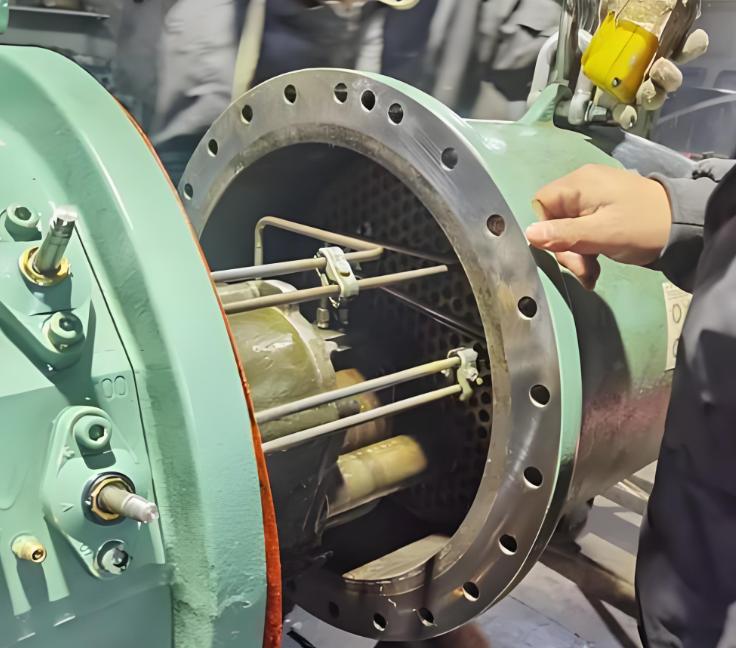
Motor Maintenance & Repair services are essential for industries that rely on electric motors to drive machinery, HVAC systems, conveyors, pumps, and various other critical equipment. Proper maintenance helps extend the life of motors, reduce downtime, and improve operational efficiency. Here’s a breakdown of the services you can request from this platform in motor maintenance and repairs:
1. Motor Inspection & Diagnostics
Visual Inspections: Conducting thorough visual inspections of motors to identify visible signs of wear, overheating, or potential failures, such as burnt windings, worn bearings, or misalignment.
Vibration Analysis: Using vibration analysis tools to detect imbalances, misalignments, or bearing issues that could affect motor performance.
Thermographic Inspections: Using infrared cameras to detect overheating components or abnormal temperature patterns, which can indicate electrical issues or insufficient lubrication.
Power Quality Monitoring: Analyzing voltage, current, and frequency to ensure the motor is operating within optimal power specifications and detecting any issues related to electrical supply.
2. Routine Preventive Maintenance
Lubrication: Lubricating motor bearings and other moving parts with appropriate lubricants to reduce friction and prevent overheating or wear.
Cleaning: Cleaning motor housings, vents, and cooling fans to ensure proper air circulation and prevent dirt buildup that could lead to overheating.
Tightening Connections: Checking and tightening electrical connections to prevent arcing or overheating due to loose contacts.
Brush Maintenance (for DC Motors): Inspecting and maintaining the carbon brushes on DC motors, replacing them when worn out to ensure proper electrical contact.
3. Motor Overhaul & Rebuilding
Complete Motor Disassembly: Disassembling the motor to inspect and clean internal components such as the stator, rotor, bearings, and windings.
Winding Repair/Replacement: Repairing or replacing damaged or burnt-out motor windings, including re-coiling the stator or rotor windings when necessary.
Bearing Replacement: Replacing worn or damaged bearings to ensure smooth operation and prevent further damage to the motor.
Rotor & Stator Repair: Repairing or refurbishing damaged rotors or stators, including re-balancing rotors for proper alignment and reducing vibration.
4. Motor Repair & Troubleshooting
Electrical Fault Diagnosis: Identifying and repairing issues related to the motor’s electrical components, including faulty windings, short circuits, or open circuits.
Motor Rewinding: Rewinding damaged or burnt-out motor windings to restore the motor’s functionality and efficiency.
Commutator & Slip Ring Repairs: Repairing or resurfacing worn commutators or slip rings (for DC motors and synchronous motors) to restore proper electrical contact.
Brush Replacement: Replacing worn carbon brushes and brush holders in motors to restore proper contact and performance (important for DC motors).
5. Motor Alignment & Balancing
Shaft Alignment: Checking and adjusting the motor shaft alignment to ensure proper operation and prevent undue stress on bearings and couplings.
Coupling & Pulley Alignment: Ensuring proper alignment of the motor’s couplings and pulleys to avoid misalignment and reduce wear on components.
Dynamic Balancing: Balancing rotating parts, such as rotors, to prevent vibrations that could lead to motor failure or increased wear on components.
6. Motor Testing & Performance Analysis
Motor Load Testing: Performing load tests to verify the motor’s performance under operating conditions and ensuring it meets the required torque, speed, and power output.
No-Load Testing: Running the motor without load to ensure it starts properly, operates smoothly, and does not overheat.
Insulation Testing: Conducting insulation resistance tests (megger testing) to ensure the motor windings are properly insulated and avoid short circuits or electrical leaks.
Electrical Motor Efficiency Testing: Measuring the motor’s efficiency to ensure it operates at optimal power consumption levels and identifying areas for improvement.
7. Motor Protection & Safety System Maintenance
Overload Protection Testing: Testing and adjusting overload protection devices such as fuses, circuit breakers, or thermal relays to ensure they function properly in case of motor overloads.
Ground Fault Testing: Verifying the motor’s ground fault protection system to prevent electrical shocks or other hazards.
Motor Starter & Control Panel Maintenance: Inspecting and servicing the motor’s control systems, including starters, relays, contactors, and variable frequency drives (VFDs), to ensure smooth and safe motor operation.
8. Motor Upgrade & Retrofit Services
Variable Frequency Drive (VFD) Installation: Installing or upgrading VFDs to adjust the speed and torque of motors for energy savings and improved control.
Motor Efficiency Upgrades: Replacing older motors with high-efficiency models to improve energy consumption, reduce costs, and meet regulatory standards.
Retrofit for Automation: Upgrading older motors and controls to integrate with automated systems or IoT for enhanced performance, monitoring, and remote diagnostics.
9. Emergency Motor Repairs
24/7 Emergency Repair Services: Providing immediate repair services for motors that have failed during critical operations, reducing downtime and getting systems back online quickly.
On-Site Repairs: Offering mobile repair services to handle motor issues on-site, especially in hard-to-reach locations or for large motors that are difficult to transport.
Motor Replacement: Replacing a faulty or damaged motor that is beyond repair or not cost-effective to fix.
10. Motor Installation & Commissioning
New Motor Installation: Installing new motors and ensuring they are properly aligned, wired, and tested for optimal operation.
Commissioning Services: Testing and fine-tuning newly installed motors or replacement motors to ensure they operate according to specifications.
Integration with Control Systems: Ensuring that motors are integrated seamlessly with control systems (PLC, VFDs) for smooth operation within the larger mechanical or automated system.
11. Motor Vibration Analysis & Balancing
Vibration Monitoring: Using vibration analysis tools to monitor motor vibrations and detect misalignment, unbalance, or bearing faults that could affect the motor's performance.
Vibration Analysis Reports: Providing detailed vibration analysis reports to highlight potential issues with motor components, allowing for early intervention.
Balancing Rotors and Shafts: Ensuring the motor’s rotating parts are balanced to reduce excessive vibrations, prevent premature wear, and improve longevity.
12. Motor Lifespan Management
Motor Health Monitoring: Using advanced sensors and IoT technology to continuously monitor motor health and predict failure before it occurs.
Motor Condition-Based Monitoring: Implementing monitoring systems that track temperature, vibration, and other parameters to schedule maintenance only when necessary (based on condition).
Lifecycle Management: Offering guidance on when to replace a motor based on its usage, age, and performance to help businesses avoid unplanned downtime.
13. Motor Cooling System Maintenance
Fan & Cooling System Inspection: Inspecting the motor’s cooling system, including fans and air ventilation, to ensure proper heat dissipation and prevent overheating.
Coolant Circulation Systems: Maintaining the coolant systems for motors that require liquid cooling, ensuring proper flow and temperature regulation.
14. Motor Storage & Preservation
Motor Storage Services: Providing safe storage for motors that will not be in use for extended periods, ensuring they are properly preserved and protected from environmental damage.
Long-Term Storage Procedures: Offering services to prepare motors for long-term storage, including cleaning, lubrication, and protection from moisture or corrosion.
Motor Maintenance & Repair services are essential for industries that rely on electric motors to drive machinery, HVAC systems, conveyors, pumps, and various other critical equipment. Proper maintenance helps extend the life of motors, reduce downtime, and improve operational efficiency. Here’s a breakdown of the services you can request from this platform in motor maintenance and repairs:
1. Motor Inspection & Diagnostics
Visual Inspections: Conducting thorough visual inspections of motors to identify visible signs of wear, overheating, or potential failures, such as burnt windings, worn bearings, or misalignment.
Vibration Analysis: Using vibration analysis tools to detect imbalances, misalignments, or bearing issues that could affect motor performance.
Thermographic Inspections: Using infrared cameras to detect overheating components or abnormal temperature patterns, which can indicate electrical issues or insufficient lubrication.
Power Quality Monitoring: Analyzing voltage, current, and frequency to ensure the motor is operating within optimal power specifications and detecting any issues related to electrical supply.
2. Routine Preventive Maintenance
Lubrication: Lubricating motor bearings and other moving parts with appropriate lubricants to reduce friction and prevent overheating or wear.
Cleaning: Cleaning motor housings, vents, and cooling fans to ensure proper air circulation and prevent dirt buildup that could lead to overheating.
Tightening Connections: Checking and tightening electrical connections to prevent arcing or overheating due to loose contacts.
Brush Maintenance (for DC Motors): Inspecting and maintaining the carbon brushes on DC motors, replacing them when worn out to ensure proper electrical contact.
3. Motor Overhaul & Rebuilding
Complete Motor Disassembly: Disassembling the motor to inspect and clean internal components such as the stator, rotor, bearings, and windings.
Winding Repair/Replacement: Repairing or replacing damaged or burnt-out motor windings, including re-coiling the stator or rotor windings when necessary.
Bearing Replacement: Replacing worn or damaged bearings to ensure smooth operation and prevent further damage to the motor.
Rotor & Stator Repair: Repairing or refurbishing damaged rotors or stators, including re-balancing rotors for proper alignment and reducing vibration.
4. Motor Repair & Troubleshooting
Electrical Fault Diagnosis: Identifying and repairing issues related to the motor’s electrical components, including faulty windings, short circuits, or open circuits.
Motor Rewinding: Rewinding damaged or burnt-out motor windings to restore the motor’s functionality and efficiency.
Commutator & Slip Ring Repairs: Repairing or resurfacing worn commutators or slip rings (for DC motors and synchronous motors) to restore proper electrical contact.
Brush Replacement: Replacing worn carbon brushes and brush holders in motors to restore proper contact and performance (important for DC motors).
5. Motor Alignment & Balancing
Shaft Alignment: Checking and adjusting the motor shaft alignment to ensure proper operation and prevent undue stress on bearings and couplings.
Coupling & Pulley Alignment: Ensuring proper alignment of the motor’s couplings and pulleys to avoid misalignment and reduce wear on components.
Dynamic Balancing: Balancing rotating parts, such as rotors, to prevent vibrations that could lead to motor failure or increased wear on components.
6. Motor Testing & Performance Analysis
Motor Load Testing: Performing load tests to verify the motor’s performance under operating conditions and ensuring it meets the required torque, speed, and power output.
No-Load Testing: Running the motor without load to ensure it starts properly, operates smoothly, and does not overheat.
Insulation Testing: Conducting insulation resistance tests (megger testing) to ensure the motor windings are properly insulated and avoid short circuits or electrical leaks.
Electrical Motor Efficiency Testing: Measuring the motor’s efficiency to ensure it operates at optimal power consumption levels and identifying areas for improvement.
7. Motor Protection & Safety System Maintenance
Overload Protection Testing: Testing and adjusting overload protection devices such as fuses, circuit breakers, or thermal relays to ensure they function properly in case of motor overloads.
Ground Fault Testing: Verifying the motor’s ground fault protection system to prevent electrical shocks or other hazards.
Motor Starter & Control Panel Maintenance: Inspecting and servicing the motor’s control systems, including starters, relays, contactors, and variable frequency drives (VFDs), to ensure smooth and safe motor operation.
8. Motor Upgrade & Retrofit Services
Variable Frequency Drive (VFD) Installation: Installing or upgrading VFDs to adjust the speed and torque of motors for energy savings and improved control.
Motor Efficiency Upgrades: Replacing older motors with high-efficiency models to improve energy consumption, reduce costs, and meet regulatory standards.
Retrofit for Automation: Upgrading older motors and controls to integrate with automated systems or IoT for enhanced performance, monitoring, and remote diagnostics.
9. Emergency Motor Repairs
24/7 Emergency Repair Services: Providing immediate repair services for motors that have failed during critical operations, reducing downtime and getting systems back online quickly.
On-Site Repairs: Offering mobile repair services to handle motor issues on-site, especially in hard-to-reach locations or for large motors that are difficult to transport.
Motor Replacement: Replacing a faulty or damaged motor that is beyond repair or not cost-effective to fix.
10. Motor Installation & Commissioning
New Motor Installation: Installing new motors and ensuring they are properly aligned, wired, and tested for optimal operation.
Commissioning Services: Testing and fine-tuning newly installed motors or replacement motors to ensure they operate according to specifications.
Integration with Control Systems: Ensuring that motors are integrated seamlessly with control systems (PLC, VFDs) for smooth operation within the larger mechanical or automated system.
11. Motor Vibration Analysis & Balancing
Vibration Monitoring: Using vibration analysis tools to monitor motor vibrations and detect misalignment, unbalance, or bearing faults that could affect the motor's performance.
Vibration Analysis Reports: Providing detailed vibration analysis reports to highlight potential issues with motor components, allowing for early intervention.
Balancing Rotors and Shafts: Ensuring the motor’s rotating parts are balanced to reduce excessive vibrations, prevent premature wear, and improve longevity.
12. Motor Lifespan Management
Motor Health Monitoring: Using advanced sensors and IoT technology to continuously monitor motor health and predict failure before it occurs.
Motor Condition-Based Monitoring: Implementing monitoring systems that track temperature, vibration, and other parameters to schedule maintenance only when necessary (based on condition).
Lifecycle Management: Offering guidance on when to replace a motor based on its usage, age, and performance to help businesses avoid unplanned downtime.
13. Motor Cooling System Maintenance
Fan & Cooling System Inspection: Inspecting the motor’s cooling system, including fans and air ventilation, to ensure proper heat dissipation and prevent overheating.
Coolant Circulation Systems: Maintaining the coolant systems for motors that require liquid cooling, ensuring proper flow and temperature regulation.
14. Motor Storage & Preservation
Motor Storage Services: Providing safe storage for motors that will not be in use for extended periods, ensuring they are properly preserved and protected from environmental damage.
Long-Term Storage Procedures: Offering services to prepare motors for long-term storage, including cleaning, lubrication, and protection from moisture or corrosion.
[ Retract
]