Industry
Get a free quote Join to take orders
Prototyping Molding
Prototyping Molding

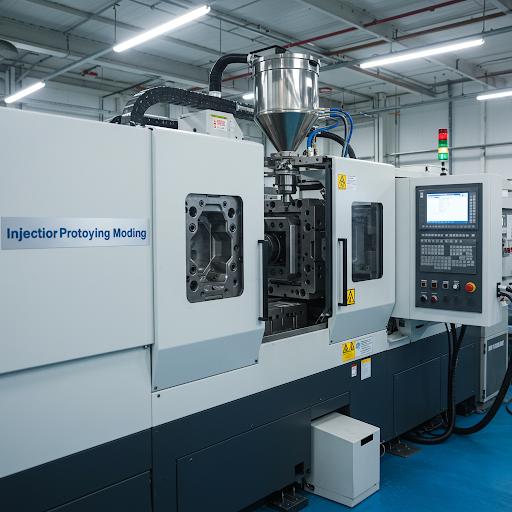
Injection prototyping molding is a process used to create functional prototypes of plastic parts using injection molding techniques. Unlike traditional production injection molding, which uses expensive steel molds, injection prototyping molding employs cost-effective and faster methods to produce prototypes. This approach allows designers and engineers to test and validate their designs, materials, and manufacturing processes before committing to full-scale production. Here’s a detailed explanation of how injection prototyping molding works:


1. Design and Preparation

3D CAD Model: The process begins with a detailed 3D CAD (Computer-Aided Design) model of the part. This model is used to create the prototype mold and simulate the molding process.

Material Selection: Choose the appropriate plastic material based on the prototype’s intended use (e.g., ABS, polycarbonate, or nylon).

Prototype Requirements: Define the purpose of the prototype (e.g., functional testing, aesthetic evaluation, or market validation).


2. Mold Creation

Rapid Tooling: Prototyping molds are typically made using rapid tooling techniques, which are faster and more cost-effective than traditional steel molds. Common methods include:

Aluminum Molds: Lightweight and cost-effective for low to medium volumes.

3D-Printed Molds: Created using additive manufacturing (e.g., SLA or SLS) for very low volumes or complex geometries.

Soft Tooling: Made from materials like silicone or epoxy for short-run prototypes.

Mold Design: The mold is designed to replicate the final production mold but with simplified features to reduce cost and lead time.


3. Injection Molding Process

Material Preparation: Plastic pellets are fed into the injection molding machine and melted.

Injection: The molten plastic is injected into the prototype mold under high pressure.

Cooling: The plastic cools and solidifies in the mold, taking the shape of the part.

Ejection: The finished prototype is ejected from the mold.


4. Post-Processing

Trimming and Finishing: Remove any excess material (e.g., sprues or flash) and perform surface finishing (e.g., sanding or painting) if needed.

Assembly: Assemble multiple prototype parts if the final product consists of several components.

Testing and Validation: Test the prototype for functionality, durability, and performance.


Key Techniques for Injection Prototyping Molding

Rapid Injection Molding:

Uses aluminum or soft tooling to produce prototypes quickly and cost-effectively.

Ideal for functional testing and small production runs.

3D Printing (Additive Manufacturing):

Creates prototype molds or directly prints the prototype part.

Suitable for very low volumes or highly complex designs.

CNC Machining:

Produces prototype parts directly from plastic blocks using CNC milling or turning.

Ideal for high-precision prototypes with tight tolerances.

Vacuum Casting:

Uses silicone molds to produce small batches of prototypes from polyurethane or other materials.

Suitable for aesthetic prototypes or low-volume production.


Advantages of Injection Prototyping Molding

Cost-Effective:

Reduces the cost of prototyping compared to traditional production tooling.

Faster Turnaround:

Shortens lead time, allowing for quicker design iterations.

Design Validation:

Helps identify and resolve design flaws early in the development process.

Material Testing:

Allows for testing of different materials to determine the best fit for the final product.

Functional Testing:

Produces prototypes that closely mimic the final product in terms of form, fit and function.

Market Validation:

Enables testing of the product with potential customers or stakeholders before mass production.


Applications of Injection Prototyping Molding

Consumer Products:

Prototyping of household items, electronics, and toys.

Automotive:

Testing of interior and exterior components, such as dashboards and bumpers.

Medical Devices:

Prototyping of surgical tools, implants, and diagnostic equipment.

Aerospace:

Testing of lightweight components and structural parts.

Industrial Equipment:

Prototyping of machinery components and enclosures.


Injection prototyping molding is a process used to create functional prototypes of plastic parts using injection molding techniques. Unlike traditional production injection molding, which uses expensive steel molds, injection prototyping molding employs cost-effective and faster methods to produce prototypes. This approach allows designers and engineers to test and validate their designs, materials, and manufacturing processes before committing to full-scale production. Here’s a detailed explanation of how injection prototyping molding works:


1. Design and Preparation

3D CAD Model: The process begins with a detailed 3D CAD (Computer-Aided Design) model of the part. This model is used to create the prototype mold and simulate the molding process.

Material Selection: Choose the appropriate plastic material based on the prototype’s intended use (e.g., ABS, polycarbonate, or nylon).

Prototype Requirements: Define the purpose of the prototype (e.g., functional testing, aesthetic evaluation, or market validation).


2. Mold Creation

Rapid Tooling: Prototyping molds are typically made using rapid tooling techniques, which are faster and more cost-effective than traditional steel molds. Common methods include:

Aluminum Molds: Lightweight and cost-effective for low to medium volumes.

3D-Printed Molds: Created using additive manufacturing (e.g., SLA or SLS) for very low volumes or complex geometries.

Soft Tooling: Made from materials like silicone or epoxy for short-run prototypes.

Mold Design: The mold is designed to replicate the final production mold but with simplified features to reduce cost and lead time.


3. Injection Molding Process

Material Preparation: Plastic pellets are fed into the injection molding machine and melted.

Injection: The molten plastic is injected into the prototype mold under high pressure.

Cooling: The plastic cools and solidifies in the mold, taking the shape of the part.

Ejection: The finished prototype is ejected from the mold.


4. Post-Processing

Trimming and Finishing: Remove any excess material (e.g., sprues or flash) and perform surface finishing (e.g., sanding or painting) if needed.

Assembly: Assemble multiple prototype parts if the final product consists of several components.

Testing and Validation: Test the prototype for functionality, durability, and performance.


Key Techniques for Injection Prototyping Molding

Rapid Injection Molding:

Uses aluminum or soft tooling to produce prototypes quickly and cost-effectively.

Ideal for functional testing and small production runs.

3D Printing (Additive Manufacturing):

Creates prototype molds or directly prints the prototype part.

Suitable for very low volumes or highly complex designs.

CNC Machining:

Produces prototype parts directly from plastic blocks using CNC milling or turning.

Ideal for high-precision prototypes with tight tolerances.

Vacuum Casting:

Uses silicone molds to produce small batches of prototypes from polyurethane or other materials.

Suitable for aesthetic prototypes or low-volume production.


Advantages of Injection Prototyping Molding

Cost-Effective:

Reduces the cost of prototyping compared to traditional production tooling.

Faster Turnaround:

Shortens lead time, allowing for quicker design iterations.

Design Validation:

Helps identify and resolve design flaws early in the development process.

Material Testing:

Allows for testing of different materials to determine the best fit for the final product.

Functional Testing:

Produces prototypes that closely mimic the final product in terms of form, fit and function.

Market Validation:

Enables testing of the product with potential customers or stakeholders before mass production.


Applications of Injection Prototyping Molding

Consumer Products:

Prototyping of household items, electronics, and toys.

Automotive:

Testing of interior and exterior components, such as dashboards and bumpers.

Medical Devices:

Prototyping of surgical tools, implants, and diagnostic equipment.

Aerospace:

Testing of lightweight components and structural parts.

Industrial Equipment:

Prototyping of machinery components and enclosures.


[ Retract ]
Core suppliers