Industry
Get a free quote Join to take orders
Industrial Robotics
Industrial Robotics

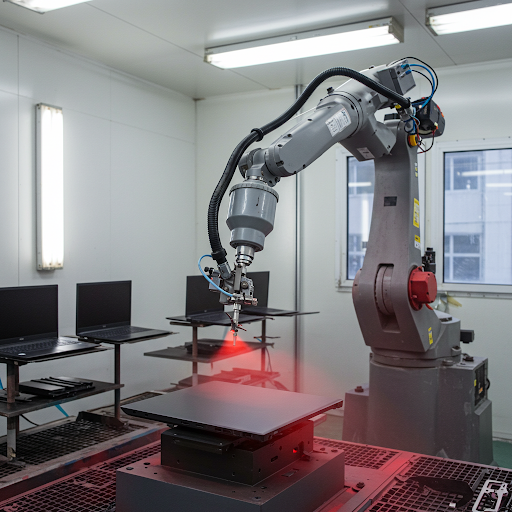
Industrial robotics can be integrated into various aspects of a business to enhance efficiency, productivity, and overall operational performance. Here are some key areas where industrial robotics can be utilized, along with the benefits they offer:

Areas to Use Industrial Robotics


Assembly Lines:


Application: Robots can be used for assembling products, especially in industries like automotive, electronics, and consumer goods.


Benefits: Increased precision, speed, and consistency in assembly processes, leading to higher quality products and reduced labor costs.


Material Handling:


Application: Robots can handle tasks such as picking, placing, packing, and palletizing in warehouses and distribution centers.


Benefits: Improved efficiency, reduced physical strain on workers, and minimized risk of injuries related to manual handling.


Welding and Fabrication:


Application: Robots are widely used for welding, cutting, and fabricating metal parts in industries like automotive, aerospace, and construction.


Benefits: Enhanced precision, repeatability, and speed, along with reduced waste and improved safety by minimizing human exposure to hazardous conditions.


Painting and Coating:


Application: Robots can be used for painting and coating tasks in industries such as automotive, furniture, and appliances.


Benefits: Consistent and uniform application, reduced material waste, and improved worker safety by minimizing exposure to harmful chemicals.


Inspection and Quality Control:


Application: Robots equipped with vision systems and sensors can perform detailed inspections and quality control checks.


Benefits: Higher accuracy in defect detection, reduced human error, and faster inspection processes, leading to improved product quality.


Machine Tending:


Application: Robots can load and unload parts in CNC machines, injection molding machines, and other manufacturing equipment.


Benefits: Increased machine uptime, reduced labor costs, and improved consistency in part handling.


Packaging:


Application: Robots can be used for sorting, filling, sealing, and labeling packages in the food, beverage, and pharmaceutical industries.


Benefits: Enhanced speed and efficiency, reduced packaging errors, and improved hygiene standards.


Cleanroom Operations:


Application: Robots can perform tasks in cleanroom environments, such as semiconductor manufacturing and pharmaceutical production.


Benefits: Minimized contamination risk, consistent performance, and reduced human intervention in sensitive environments.


Benefits of Using Industrial Robotics


Increased Productivity:

Robots can operate 24/7 without fatigue, significantly increasing production output and efficiency.


Improved Quality and Consistency:

Robots perform tasks with high precision and repeatability, ensuring consistent product quality and reducing defects.


Cost Savings:

While the initial investment in robotics can be high, the long-term savings in labor costs, reduced waste, and increased efficiency often outweigh the initial expenditure.


Enhanced Safety:

Robots can handle dangerous tasks, such as working with hazardous materials or performing heavy lifting, reducing the risk of workplace injuries.


Flexibility and Scalability:

Robots can be reprogrammed and adapted for different tasks, providing flexibility in manufacturing processes and enabling scalability as business needs evolve.


Reduced Downtime:

Predictive maintenance and real-time monitoring of robotic systems can minimize downtime and extend the lifespan of equipment.


Competitive Advantage:

Adopting industrial robotics can position a company as a leader in innovation, attracting more customers and business opportunities.


Sustainability:

Robots can optimize resource use, reduce waste, and improve energy efficiency, contributing to more sustainable manufacturing practices.


Data Collection and Analysis:

Robots equipped with sensors and IoT capabilities can collect valuable data on production processes, enabling data-driven decision-making and continuous improvement.


Employee Upskilling:

The integration of robotics often leads to the creation of new roles in programming, maintenance, and supervision, providing opportunities for employee upskilling and career development.


Industrial robotics can be integrated into various aspects of a business to enhance efficiency, productivity, and overall operational performance. Here are some key areas where industrial robotics can be utilized, along with the benefits they offer:

Areas to Use Industrial Robotics


Assembly Lines:


Application: Robots can be used for assembling products, especially in industries like automotive, electronics, and consumer goods.


Benefits: Increased precision, speed, and consistency in assembly processes, leading to higher quality products and reduced labor costs.


Material Handling:


Application: Robots can handle tasks such as picking, placing, packing, and palletizing in warehouses and distribution centers.


Benefits: Improved efficiency, reduced physical strain on workers, and minimized risk of injuries related to manual handling.


Welding and Fabrication:


Application: Robots are widely used for welding, cutting, and fabricating metal parts in industries like automotive, aerospace, and construction.


Benefits: Enhanced precision, repeatability, and speed, along with reduced waste and improved safety by minimizing human exposure to hazardous conditions.


Painting and Coating:


Application: Robots can be used for painting and coating tasks in industries such as automotive, furniture, and appliances.


Benefits: Consistent and uniform application, reduced material waste, and improved worker safety by minimizing exposure to harmful chemicals.


Inspection and Quality Control:


Application: Robots equipped with vision systems and sensors can perform detailed inspections and quality control checks.


Benefits: Higher accuracy in defect detection, reduced human error, and faster inspection processes, leading to improved product quality.


Machine Tending:


Application: Robots can load and unload parts in CNC machines, injection molding machines, and other manufacturing equipment.


Benefits: Increased machine uptime, reduced labor costs, and improved consistency in part handling.


Packaging:


Application: Robots can be used for sorting, filling, sealing, and labeling packages in the food, beverage, and pharmaceutical industries.


Benefits: Enhanced speed and efficiency, reduced packaging errors, and improved hygiene standards.


Cleanroom Operations:


Application: Robots can perform tasks in cleanroom environments, such as semiconductor manufacturing and pharmaceutical production.


Benefits: Minimized contamination risk, consistent performance, and reduced human intervention in sensitive environments.


Benefits of Using Industrial Robotics


Increased Productivity:

Robots can operate 24/7 without fatigue, significantly increasing production output and efficiency.


Improved Quality and Consistency:

Robots perform tasks with high precision and repeatability, ensuring consistent product quality and reducing defects.


Cost Savings:

While the initial investment in robotics can be high, the long-term savings in labor costs, reduced waste, and increased efficiency often outweigh the initial expenditure.


Enhanced Safety:

Robots can handle dangerous tasks, such as working with hazardous materials or performing heavy lifting, reducing the risk of workplace injuries.


Flexibility and Scalability:

Robots can be reprogrammed and adapted for different tasks, providing flexibility in manufacturing processes and enabling scalability as business needs evolve.


Reduced Downtime:

Predictive maintenance and real-time monitoring of robotic systems can minimize downtime and extend the lifespan of equipment.


Competitive Advantage:

Adopting industrial robotics can position a company as a leader in innovation, attracting more customers and business opportunities.


Sustainability:

Robots can optimize resource use, reduce waste, and improve energy efficiency, contributing to more sustainable manufacturing practices.


Data Collection and Analysis:

Robots equipped with sensors and IoT capabilities can collect valuable data on production processes, enabling data-driven decision-making and continuous improvement.


Employee Upskilling:

The integration of robotics often leads to the creation of new roles in programming, maintenance, and supervision, providing opportunities for employee upskilling and career development.


[ Retract ]
Core suppliers