Industry
Get a free quote Join to take orders
Plastic Injection Molding

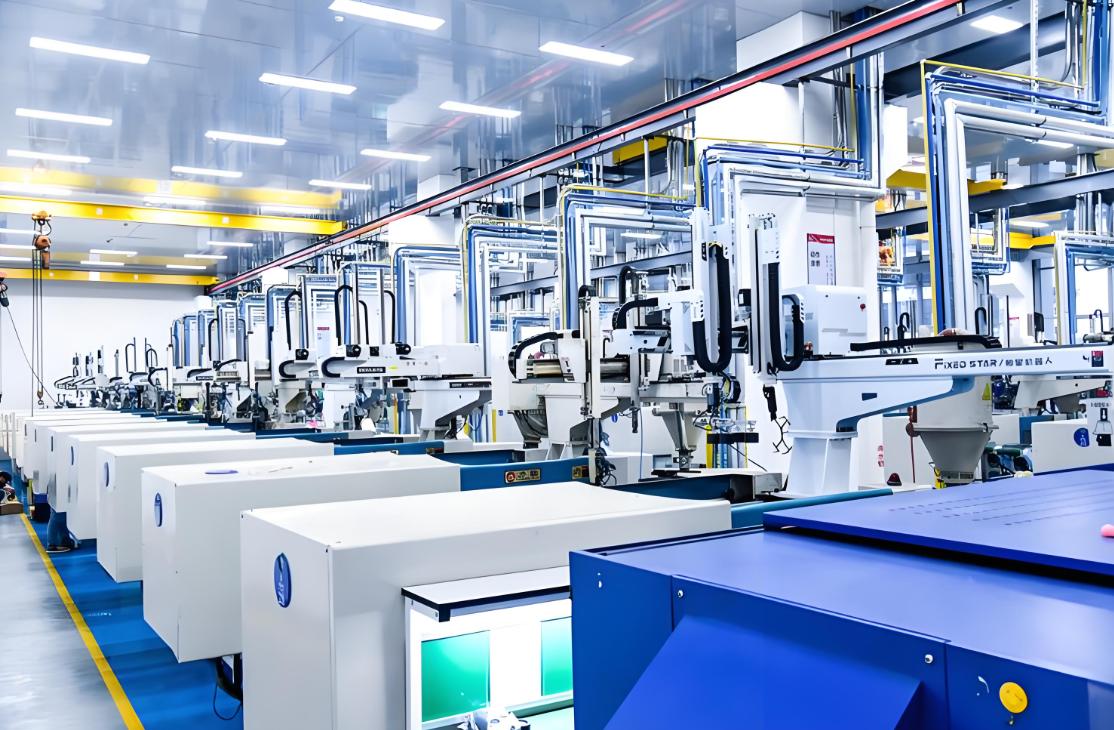
Plastic injection molding is a highly efficient and versatile manufacturing process used to produce plastic parts. It involves injecting molten plastic material into a mold cavity, where it cools and solidifies into the desired shape. Here’s a step-by-step explanation of how plastic injection molding works:


1. Clamping

Purpose: Secure the two halves of the mold (the "core" and "cavity") in place.

Process: The mold is mounted onto the injection molding machine, and a hydraulic or mechanical clamping unit holds the mold tightly closed during the injection process.

Key Point: The clamping force must be sufficient to withstand the high pressure of the injected plastic.


2. Injection

Purpose: Fill the mold cavity with molten plastic.

Process: Plastic pellets or granules are fed into a hopper and then into a heated barrel.

A reciprocating screw inside the barrel melts the plastic as it moves forward.

The molten plastic is injected into the mold cavity through a nozzle and runner system under high pressure.

Key Point: The injection speed, pressure, and temperature are carefully controlled to ensure proper filling of the mold.


3. Cooling

Purpose: Allow the molten plastic to solidify into the desired shape.

Process: The molten plastic cools and hardens as it comes into contact with the cooler mold surfaces.

Cooling time depends on the part’s thickness, material, and mold design.

Key Point: Efficient cooling is critical to maintaining part quality and reducing cycle times.


4. Ejection

Purpose: Remove the solidified part from the mold.

Process: Once the plastic has cooled and solidified, the mold opens.

Ejector pins or plates push the part out of the mold cavity.

Key Point: Proper ejection ensures the part is removed without damage.


5. Post-Processing (Optional)

Purpose: Finish the part to meet specific requirements.

Process: Remove excess material (e.g., sprues, runners, or flash).

Perform secondary operations like painting, assembly, or surface treatment.

Key Point: Post-processing is often minimal, as parts typically come out of the mold with a finished appearance.


Advantages of Plastic Injection Molding

High Efficiency: Fast production cycles and high-volume output.

Cost-Effective: Low per-unit cost for large production runs.

Design Flexibility: Can produce complex shapes and intricate details.

Consistency: High precision and repeatability.

Material Variety: Compatible with a wide range of plastics.

Minimal Waste: Excess material can often be recycled.


Materials Used in Injection Molding

Thermoplastics: Can be melted and reshaped multiple times (e.g., ABS, polypropylene, polycarbonate).

Thermosets: Harden permanently after curing and cannot be remelted (e.g., epoxy, phenolic).

Elastomers: Flexible materials like rubber (e.g., silicone, TPU).


Applications of Injection Molding

Automotive: Dashboards, bumpers, and interior trim.

Consumer Goods: Toys, containers, and household items.

Medical Devices: Syringes, IV components, and surgical tools.

Electronics: Housings, connectors, and switches.

Packaging: Bottles, caps, and closures.


Plastic injection molding is a highly efficient and versatile manufacturing process used to produce plastic parts. It involves injecting molten plastic material into a mold cavity, where it cools and solidifies into the desired shape. Here’s a step-by-step explanation of how plastic injection molding works:


1. Clamping

Purpose: Secure the two halves of the mold (the "core" and "cavity") in place.

Process: The mold is mounted onto the injection molding machine, and a hydraulic or mechanical clamping unit holds the mold tightly closed during the injection process.

Key Point: The clamping force must be sufficient to withstand the high pressure of the injected plastic.


2. Injection

Purpose: Fill the mold cavity with molten plastic.

Process: Plastic pellets or granules are fed into a hopper and then into a heated barrel.

A reciprocating screw inside the barrel melts the plastic as it moves forward.

The molten plastic is injected into the mold cavity through a nozzle and runner system under high pressure.

Key Point: The injection speed, pressure, and temperature are carefully controlled to ensure proper filling of the mold.


3. Cooling

Purpose: Allow the molten plastic to solidify into the desired shape.

Process: The molten plastic cools and hardens as it comes into contact with the cooler mold surfaces.

Cooling time depends on the part’s thickness, material, and mold design.

Key Point: Efficient cooling is critical to maintaining part quality and reducing cycle times.


4. Ejection

Purpose: Remove the solidified part from the mold.

Process: Once the plastic has cooled and solidified, the mold opens.

Ejector pins or plates push the part out of the mold cavity.

Key Point: Proper ejection ensures the part is removed without damage.


5. Post-Processing (Optional)

Purpose: Finish the part to meet specific requirements.

Process: Remove excess material (e.g., sprues, runners, or flash).

Perform secondary operations like painting, assembly, or surface treatment.

Key Point: Post-processing is often minimal, as parts typically come out of the mold with a finished appearance.


Advantages of Plastic Injection Molding

High Efficiency: Fast production cycles and high-volume output.

Cost-Effective: Low per-unit cost for large production runs.

Design Flexibility: Can produce complex shapes and intricate details.

Consistency: High precision and repeatability.

Material Variety: Compatible with a wide range of plastics.

Minimal Waste: Excess material can often be recycled.


Materials Used in Injection Molding

Thermoplastics: Can be melted and reshaped multiple times (e.g., ABS, polypropylene, polycarbonate).

Thermosets: Harden permanently after curing and cannot be remelted (e.g., epoxy, phenolic).

Elastomers: Flexible materials like rubber (e.g., silicone, TPU).


Applications of Injection Molding

Automotive: Dashboards, bumpers, and interior trim.

Consumer Goods: Toys, containers, and household items.

Medical Devices: Syringes, IV components, and surgical tools.

Electronics: Housings, connectors, and switches.

Packaging: Bottles, caps, and closures.


[ Retract ]
Core suppliers