Industry
Get a free quote Join to take orders
Die design
Die design

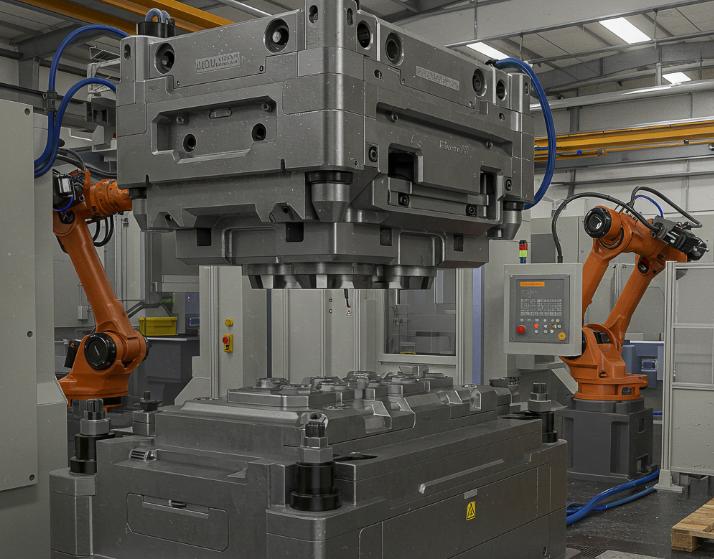
Mechanical die design is a specialized field focused on designing dies used in metalworking processes like stamping, forging, casting, extrusion, and molding. Dies are essential tools used to shape, form, or cut metal and other materials in manufacturing operations. These tools play a significant role in ensuring the precision, quality, and efficiency of the production process. 

Here are several services you can request on this platform:


1. Custom Die Design

Stamping Dies: Design dies for sheet metal stamping operations, including blanking, piercing, bending, and forming dies. These dies are used to produce parts for industries such as automotive, aerospace, and consumer electronics.


Forging Dies: Create dies for forging processes, which shape metal using compressive forces. This includes open-die, closed-die, and impression-die forging.


Extrusion Dies: Design dies for plastic or metal extrusion processes, which shape material by forcing it through a die orifice. This includes profiles, tubes, and complex cross-sections.


Casting Dies: Design molds for die casting, sand casting, and other casting processes. This includes dies for both non-ferrous metals (like aluminum and zinc) and ferrous metals (like steel).


2. Die Design Optimization

Process Improvement: Analyze existing die designs to identify opportunities for improvement in terms of efficiency, accuracy, and durability.

Material Selection: Recommend the best materials for die components based on factors such as wear resistance, thermal properties, and cost.

Surface Treatments: Specify surface treatments, such as coatings or heat treatments, to enhance the performance and lifespan of dies.


3. CAD and Simulation Services

3D Modeling: Provide detailed 3D CAD models of dies, including all dimensions, tolerances, and material specifications.

Finite Element Analysis (FEA): Perform FEA to simulate and analyze the structural integrity and performance of dies under various loads and conditions.

Computational Fluid Dynamics (CFD): Use CFD to analyze fluid flow and heat transfer in dies, particularly for extrusion and casting applications.


4. Prototyping and Testing

Rapid Prototyping: Use 3D printing or other rapid prototyping techniques to create and test prototypes of dies before full-scale production.

Testing and Validation: Conduct rigorous testing to ensure that dies meet performance criteria and can withstand operational stresses.


5. Manufacturing Support

Design for Manufacturability (DFM): Ensure that dies are designed for efficient and cost-effective manufacturing, considering factors such as machining processes, tolerances, and assembly.

Tooling and Die Fabrication: Collaborate with manufacturers to produce the designed dies, providing detailed drawings and specifications.

Installation and Training: Assist with the installation of dies on the production floor and provide training for operators and maintenance personnel.


6. Consulting and Advisory Services

Process Optimization: Offer consulting services to optimize manufacturing processes through the design and implementation of custom dies.

Cost Reduction: Identify opportunities to reduce costs by improving die design, material selection, and manufacturing processes.

Quality Improvement: Provide expertise to enhance product quality by designing dies that ensure precision and consistency in manufacturing.


7. Custom Solutions for Specific Industries

Automotive: Design dies for automotive manufacturing, such as stamping dies for body panels, forging dies for engine components, and extrusion dies for structural parts.

Aerospace: Develop high-precision dies for aerospace applications, including forging dies for turbine blades and extrusion dies for structural components.

Consumer Electronics: Create dies to produce small, intricate parts used in consumer electronics, such as connectors, housings, and heat sinks.

Medical Devices: Design dies to produce medical devices, ensuring high precision and compliance with regulatory standards.


8. Maintenance and Repair Services

Die Maintenance: Offer services to maintain and repair existing dies, ensuring they remain in optimal working condition.

Redesign and Upgrading: Redesign and upgrade outdated or worn-out dies to improve performance and extend their lifespan.


9. Training and Knowledge Transfer

Workshops and Seminars: Conduct workshops and seminars to train engineers and technicians in die design principles, best practices, and the latest technologies.

Technical Documentation: Provide comprehensive technical documentation, including design guidelines, maintenance manuals, and troubleshooting guides.


10. Innovation and R&D

New Die Technologies: Research and develop new die technologies and materials to improve performance, reduce costs, and enable new manufacturing capabilities.

Collaborative Projects: Collaborate with academic institutions, research organizations, and industry partners on innovative die design projects.


Industries That Benefit from Die Design:

Automotive: For stamping, forging, and casting car parts such as chassis, body panels, and engine components.

Aerospace: For precision dies used in the production of complex, high-performance components like turbine blades and airframe parts.

Consumer Electronics: For designing dies that are used in manufacturing housings, connectors, and other small, intricate parts.

Heavy Machinery: For dies used in forging or casting heavy-duty industrial equipment, such as gears, shafts, and machine housings.

Medical Devices: For designing dies that produce components like surgical instruments, diagnostic tools, and implants.

Defense and Military: For designing specialized dies for producing robust, high-performance parts for military applications.

Tooling and Manufacturing: For companies that produce large-scale dies and molds for various manufacturing processes.


Mechanical die design is a specialized field focused on designing dies used in metalworking processes like stamping, forging, casting, extrusion, and molding. Dies are essential tools used to shape, form, or cut metal and other materials in manufacturing operations. These tools play a significant role in ensuring the precision, quality, and efficiency of the production process. 

Here are several services you can request on this platform:


1. Custom Die Design

Stamping Dies: Design dies for sheet metal stamping operations, including blanking, piercing, bending, and forming dies. These dies are used to produce parts for industries such as automotive, aerospace, and consumer electronics.


Forging Dies: Create dies for forging processes, which shape metal using compressive forces. This includes open-die, closed-die, and impression-die forging.


Extrusion Dies: Design dies for plastic or metal extrusion processes, which shape material by forcing it through a die orifice. This includes profiles, tubes, and complex cross-sections.


Casting Dies: Design molds for die casting, sand casting, and other casting processes. This includes dies for both non-ferrous metals (like aluminum and zinc) and ferrous metals (like steel).


2. Die Design Optimization

Process Improvement: Analyze existing die designs to identify opportunities for improvement in terms of efficiency, accuracy, and durability.

Material Selection: Recommend the best materials for die components based on factors such as wear resistance, thermal properties, and cost.

Surface Treatments: Specify surface treatments, such as coatings or heat treatments, to enhance the performance and lifespan of dies.


3. CAD and Simulation Services

3D Modeling: Provide detailed 3D CAD models of dies, including all dimensions, tolerances, and material specifications.

Finite Element Analysis (FEA): Perform FEA to simulate and analyze the structural integrity and performance of dies under various loads and conditions.

Computational Fluid Dynamics (CFD): Use CFD to analyze fluid flow and heat transfer in dies, particularly for extrusion and casting applications.


4. Prototyping and Testing

Rapid Prototyping: Use 3D printing or other rapid prototyping techniques to create and test prototypes of dies before full-scale production.

Testing and Validation: Conduct rigorous testing to ensure that dies meet performance criteria and can withstand operational stresses.


5. Manufacturing Support

Design for Manufacturability (DFM): Ensure that dies are designed for efficient and cost-effective manufacturing, considering factors such as machining processes, tolerances, and assembly.

Tooling and Die Fabrication: Collaborate with manufacturers to produce the designed dies, providing detailed drawings and specifications.

Installation and Training: Assist with the installation of dies on the production floor and provide training for operators and maintenance personnel.


6. Consulting and Advisory Services

Process Optimization: Offer consulting services to optimize manufacturing processes through the design and implementation of custom dies.

Cost Reduction: Identify opportunities to reduce costs by improving die design, material selection, and manufacturing processes.

Quality Improvement: Provide expertise to enhance product quality by designing dies that ensure precision and consistency in manufacturing.


7. Custom Solutions for Specific Industries

Automotive: Design dies for automotive manufacturing, such as stamping dies for body panels, forging dies for engine components, and extrusion dies for structural parts.

Aerospace: Develop high-precision dies for aerospace applications, including forging dies for turbine blades and extrusion dies for structural components.

Consumer Electronics: Create dies to produce small, intricate parts used in consumer electronics, such as connectors, housings, and heat sinks.

Medical Devices: Design dies to produce medical devices, ensuring high precision and compliance with regulatory standards.


8. Maintenance and Repair Services

Die Maintenance: Offer services to maintain and repair existing dies, ensuring they remain in optimal working condition.

Redesign and Upgrading: Redesign and upgrade outdated or worn-out dies to improve performance and extend their lifespan.


9. Training and Knowledge Transfer

Workshops and Seminars: Conduct workshops and seminars to train engineers and technicians in die design principles, best practices, and the latest technologies.

Technical Documentation: Provide comprehensive technical documentation, including design guidelines, maintenance manuals, and troubleshooting guides.


10. Innovation and R&D

New Die Technologies: Research and develop new die technologies and materials to improve performance, reduce costs, and enable new manufacturing capabilities.

Collaborative Projects: Collaborate with academic institutions, research organizations, and industry partners on innovative die design projects.


Industries That Benefit from Die Design:

Automotive: For stamping, forging, and casting car parts such as chassis, body panels, and engine components.

Aerospace: For precision dies used in the production of complex, high-performance components like turbine blades and airframe parts.

Consumer Electronics: For designing dies that are used in manufacturing housings, connectors, and other small, intricate parts.

Heavy Machinery: For dies used in forging or casting heavy-duty industrial equipment, such as gears, shafts, and machine housings.

Medical Devices: For designing dies that produce components like surgical instruments, diagnostic tools, and implants.

Defense and Military: For designing specialized dies for producing robust, high-performance parts for military applications.

Tooling and Manufacturing: For companies that produce large-scale dies and molds for various manufacturing processes.


[ Retract ]
Core suppliers