Industry
Get a free quote Join to take orders
Industrial IoT
Industrial IoT

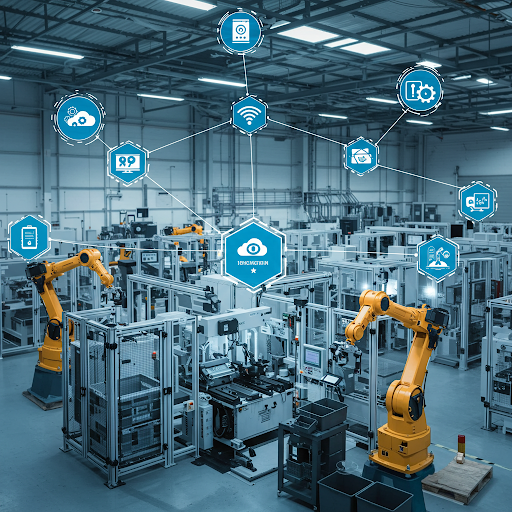
Industrial Internet of Things (IIoT) can be used across a wide range of industries to enhance operational efficiency, improve decision-making, and drive innovation. Here are some key areas where IIoT is applied and the benefits it brings to businesses:

Where can IIoT be used?


Manufacturing:


Predictive Maintenance: IIoT sensors can monitor equipment conditions in real-time, predicting failures before they occur. This reduces downtime and lowers maintenance costs.


Process Optimization and Quality Control: Real-time data collection and analysis can help optimize manufacturing processes. Sensors can detect flaws in products during production, improving quality assurance and reducing waste.


Supply Chain Optimization: IIoT can provide real-time visibility into the supply chain, improving inventory management and reducing lead times. 


Energy and Utilities:


Smart Grid Management: IIoT enables the monitoring and management of energy distribution networks, improving efficiency and reducing energy waste.


Power Plant Monitoring: Sensors can track the condition of turbines, boilers, and other equipment, predicting maintenance needs and optimizing performance.


Energy Management: Real-time monitoring of energy consumption can help identify inefficiencies and reduce costs.


Transportation and Logistics:


Fleet Management: IIoT can provide real-time tracking of vehicles, optimize routes, reduce fuel consumption, and improve fleet efficiency.


Condition Monitoring: Sensors can monitor the condition of goods in transit, ensuring they are stored and transported under optimal conditions.


Autonomous Vehicles: IIoT technology can be used in the development and monitoring of autonomous vehicles for better navigation and safety.


Agriculture:


Precision Agriculture: Sensors can monitor soil moisture, crop health, and weather conditions, helping farmers 

optimize irrigation and fertilizer usage, leading to better yields.


Livestock Monitoring: IIoT can track the health and location of livestock, improving farm operational efficiency and ensuring animal welfare.


Healthcare:


Remote Patient Monitoring: IIoT devices can monitor patients' health in real-time, enabling timely interventions and reducing hospital readmissions.


Asset Tracking: Hospitals can use IIoT to track the location and status of medical equipment, improving asset utilization.


Building Management:


Smart Buildings: IIoT sensors can optimize heating, cooling, and lighting systems in buildings to reduce energy consumption and improve comfort.


Security and Surveillance: IIoT can enhance security systems with real-time monitoring and alerts based on sensor data.


Mining:


Equipment Monitoring: IIoT can track the performance of mining equipment, preventing unplanned downtime and enhancing safety.


Pipeline Monitoring: IIoT can monitor pipelines for leaks or pressure changes, enhancing safety and reducing environmental impact.


Environmental Monitoring: Sensors can measure air quality, temperature, and humidity, ensuring safe working conditions in mines.


Retail:


Inventory Management: IIoT can help retailers keep track of inventory in real time, improving stock availability and reducing overstock.


Customer Experience: IIoT can be used for personalized shopping experiences, smart kiosks, and digital signage that responds to customer preferences.


Benefits of IIoT for Business:


Increased Operational Efficiency:


Automation: IIoT can automate routine tasks, enabling workers to focus on higher-value activities.

Real-time Data Insights: Instant access to data helps businesses make quicker and more informed decisions.


Enhanced Product Quality:

Real-time data collection and analysis can help identify and rectify quality issues early in the production process.


Cost Reduction: Predictive maintenance and optimized resource use can significantly reduce operational costs. By monitoring and optimizing energy usage, businesses can reduce operational costs. Predictive maintenance and early detection of faults prevent costly unplanned downtimes.


Better Asset Management:

IIoT allows businesses to track and monitor equipment, inventory, and vehicles in real time, ensuring optimal usage and reducing losses.


Safety and Compliance:

Real-time monitoring and predictive analytics can enhance workplace safety by identifying potential hazards before they cause accidents.

Businesses can also comply with regulations more easily by having automated reporting and monitoring systems in place.


Supply Chain Optimization:

IIoT provides visibility across the supply chain, enabling businesses to optimize inventory management, reduce waste, and ensure timely deliveries.


Scalability:

IIoT systems can be easily scaled to accommodate growth, allowing businesses to adapt to increasing demands or changing market conditions.


Improved Decision-Making:

The continuous flow of data enables businesses to use advanced analytics, machine learning, and AI to improve processes, optimize resources, and predict future trends.


Enhanced Customer Satisfaction:


Personalization: IIoT enables businesses to deliver personalized services, such as customized retail experiences or tailored healthcare solutions.


Improved Service Delivery: Real-time monitoring helps businesses deliver services more efficiently, such as faster deliveries or better product quality.

Industrial IoT is transforming industries by enabling smarter, more efficient, and more sustainable operations. Businesses that invest in IIoT can reap significant benefits, including cost savings, improved efficiency, and enhanced competitiveness. However, successful implementation requires careful planning, investment in the right technologies, and a focus on data security and privacy.


Industrial Internet of Things (IIoT) can be used across a wide range of industries to enhance operational efficiency, improve decision-making, and drive innovation. Here are some key areas where IIoT is applied and the benefits it brings to businesses:

Where can IIoT be used?


Manufacturing:


Predictive Maintenance: IIoT sensors can monitor equipment conditions in real-time, predicting failures before they occur. This reduces downtime and lowers maintenance costs.


Process Optimization and Quality Control: Real-time data collection and analysis can help optimize manufacturing processes. Sensors can detect flaws in products during production, improving quality assurance and reducing waste.


Supply Chain Optimization: IIoT can provide real-time visibility into the supply chain, improving inventory management and reducing lead times. 


Energy and Utilities:


Smart Grid Management: IIoT enables the monitoring and management of energy distribution networks, improving efficiency and reducing energy waste.


Power Plant Monitoring: Sensors can track the condition of turbines, boilers, and other equipment, predicting maintenance needs and optimizing performance.


Energy Management: Real-time monitoring of energy consumption can help identify inefficiencies and reduce costs.


Transportation and Logistics:


Fleet Management: IIoT can provide real-time tracking of vehicles, optimize routes, reduce fuel consumption, and improve fleet efficiency.


Condition Monitoring: Sensors can monitor the condition of goods in transit, ensuring they are stored and transported under optimal conditions.


Autonomous Vehicles: IIoT technology can be used in the development and monitoring of autonomous vehicles for better navigation and safety.


Agriculture:


Precision Agriculture: Sensors can monitor soil moisture, crop health, and weather conditions, helping farmers 

optimize irrigation and fertilizer usage, leading to better yields.


Livestock Monitoring: IIoT can track the health and location of livestock, improving farm operational efficiency and ensuring animal welfare.


Healthcare:


Remote Patient Monitoring: IIoT devices can monitor patients' health in real-time, enabling timely interventions and reducing hospital readmissions.


Asset Tracking: Hospitals can use IIoT to track the location and status of medical equipment, improving asset utilization.


Building Management:


Smart Buildings: IIoT sensors can optimize heating, cooling, and lighting systems in buildings to reduce energy consumption and improve comfort.


Security and Surveillance: IIoT can enhance security systems with real-time monitoring and alerts based on sensor data.


Mining:


Equipment Monitoring: IIoT can track the performance of mining equipment, preventing unplanned downtime and enhancing safety.


Pipeline Monitoring: IIoT can monitor pipelines for leaks or pressure changes, enhancing safety and reducing environmental impact.


Environmental Monitoring: Sensors can measure air quality, temperature, and humidity, ensuring safe working conditions in mines.


Retail:


Inventory Management: IIoT can help retailers keep track of inventory in real time, improving stock availability and reducing overstock.


Customer Experience: IIoT can be used for personalized shopping experiences, smart kiosks, and digital signage that responds to customer preferences.


Benefits of IIoT for Business:


Increased Operational Efficiency:


Automation: IIoT can automate routine tasks, enabling workers to focus on higher-value activities.

Real-time Data Insights: Instant access to data helps businesses make quicker and more informed decisions.


Enhanced Product Quality:

Real-time data collection and analysis can help identify and rectify quality issues early in the production process.


Cost Reduction: Predictive maintenance and optimized resource use can significantly reduce operational costs. By monitoring and optimizing energy usage, businesses can reduce operational costs. Predictive maintenance and early detection of faults prevent costly unplanned downtimes.


Better Asset Management:

IIoT allows businesses to track and monitor equipment, inventory, and vehicles in real time, ensuring optimal usage and reducing losses.


Safety and Compliance:

Real-time monitoring and predictive analytics can enhance workplace safety by identifying potential hazards before they cause accidents.

Businesses can also comply with regulations more easily by having automated reporting and monitoring systems in place.


Supply Chain Optimization:

IIoT provides visibility across the supply chain, enabling businesses to optimize inventory management, reduce waste, and ensure timely deliveries.


Scalability:

IIoT systems can be easily scaled to accommodate growth, allowing businesses to adapt to increasing demands or changing market conditions.


Improved Decision-Making:

The continuous flow of data enables businesses to use advanced analytics, machine learning, and AI to improve processes, optimize resources, and predict future trends.


Enhanced Customer Satisfaction:


Personalization: IIoT enables businesses to deliver personalized services, such as customized retail experiences or tailored healthcare solutions.


Improved Service Delivery: Real-time monitoring helps businesses deliver services more efficiently, such as faster deliveries or better product quality.

Industrial IoT is transforming industries by enabling smarter, more efficient, and more sustainable operations. Businesses that invest in IIoT can reap significant benefits, including cost savings, improved efficiency, and enhanced competitiveness. However, successful implementation requires careful planning, investment in the right technologies, and a focus on data security and privacy.


[ Retract ]
Core suppliers