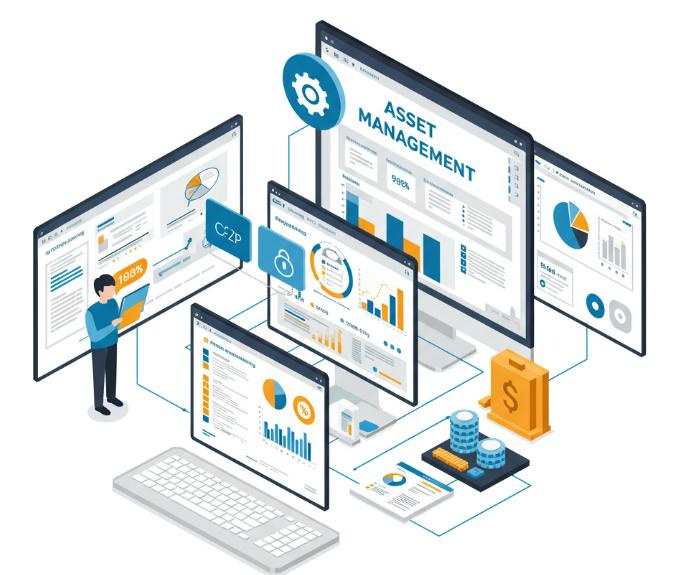
Asset management services involve the tracking, maintenance, and optimization of physical and digital assets for businesses, ensuring that they are properly utilized, maintained, and protected. Asset management helps businesses streamline operations, increase efficiency, reduce costs, and improve decision-making regarding their assets. Below are the key services you can request from this platform related to asset management:
1. Asset Tracking & Inventory Management
Asset Identification: Implementing asset tagging systems (e.g., RFID, barcodes, QR codes) to easily identify and track physical assets like machinery, tools, equipment, and vehicles.
Asset Registration: Setting up an asset register that includes key information such as asset type, location, ownership, purchase date, warranty, and maintenance schedules.
Real-Time Tracking: Utilizing technologies such as GPS, RFID, or IoT sensors to track asset location and condition in real-time, providing visibility across multiple sites or geographies.
Inventory Management Systems (IMS): Installing or configuring asset management software (like CMMS, ERP, or dedicated asset management platforms) to streamline asset tracking and inventory management.
Asset Lifecycle Management: Managing assets from acquisition through to disposal, ensuring assets are utilized efficiently and maintained according to their expected lifecycle.
2. Asset Auditing & Valuation
Asset Audits: Conducting regular physical and financial audits of assets to ensure that the information in the asset register is accurate and up to date, identifying discrepancies and lost items.
Valuation Services: Providing asset valuation for accounting, tax, insurance, and resale purposes, ensuring assets are properly valued for financial reporting.
Depreciation Tracking: Assisting with tracking and managing asset depreciation schedules to ensure compliance with financial reporting and tax requirements.
Insurance Risk Assessment: Assessing the risk and insurable value of assets to ensure businesses are adequately covered in case of damage, theft, or loss.
3. Asset Maintenance & Repair Management
Preventive Maintenance Scheduling: Setting up and managing preventive maintenance programs to prolong the life of assets, reduce downtime, and improve asset reliability.
Corrective Maintenance: Handling the repair and restoration of assets that require unplanned maintenance due to wear and tear or breakdowns.
Work Order Management: Implementing work order management systems to track maintenance requests, repair tasks, and their completion status, improving asset uptime and reducing unexpected failures.
Asset Performance Monitoring: Using IoT devices and sensors to monitor asset performance and detect issues before they cause major failures or require costly repairs.
Spare Parts Management: Managing spare parts inventories to ensure that critical components are always available for asset repairs, reducing downtime due to part shortages.
4. Asset Lifecycle Management
Asset Procurement & Deployment: Assisting with the procurement process, including selecting the right assets based on business needs, budget constraints, and vendor management, and ensuring smooth deployment of new assets.
Asset Retirement & Disposal: Handling the retirement, sale, or disposal of outdated, broken, or obsolete assets, ensuring that proper disposal methods are followed (e.g., recycling, auction, donation) and compliance with environmental regulations.
End-of-Life Planning: Developing strategies for the end of asset life, including replacement schedules and asset disposal strategies to minimize asset obsolescence and maximize value recovery.
5. Asset Optimization & Utilization
Asset Utilization Tracking: Monitoring and analyzing asset utilization to ensure that resources are being used efficiently, and identifying underutilized assets that could be reassigned, sold, or disposed of.
Capacity Planning & Forecasting: Helping businesses plan for future asset needs based on growth projections, asset condition, and utilization trends, ensuring that asset capacity aligns with demand.
Asset Performance Analysis: Analyzing asset performance data to identify opportunities for improvement, cost savings, or process optimization, and making recommendations for better utilization or replacement.
Energy Efficiency Optimization: Identifying opportunities for energy-saving measures and optimizing energy consumption for industrial equipment, reducing operational costs and improving sustainability.
6. Asset Management Software Implementation
Software Selection & Customization: Assisting in selecting the right asset management software (e.g., CMMS, EAM, ERP) based on business needs and customizing the software to suit the client’s specific asset management processes.
System Integration: Integrating asset management software with other enterprise systems (e.g., ERP, CRM, procurement systems) to ensure seamless data flow and eliminate data silos.
Cloud-Based Solutions: Setting up cloud-based asset management systems for businesses that need access to asset data remotely or across multiple locations, enabling real-time updates and improved collaboration.
Mobile Asset Management: Configuring mobile applications that enable field technicians and employees to access asset data, track maintenance, and complete work orders while on the go.
7. Compliance & Regulatory Management
Regulatory Compliance Monitoring: Ensuring assets comply with industry-specific regulations (e.g., ISO standards, OSHA, FDA) through proper documentation, maintenance, and audits.
Inspection & Testing: Managing regular inspections and testing of assets to meet regulatory requirements for safety, performance, and environmental standards.
Risk Management & Safety Compliance: Implementing asset risk management strategies to ensure workplace safety, reduce liability, and avoid penalties from non-compliance with safety or environmental regulations.
Asset Certification Management: Keeping track of certification renewal dates for equipment and assets that require periodic certification, such as machinery or safety equipment.
8. Asset Data Analytics & Reporting
Asset Performance Dashboards: Creating real-time dashboards and reporting tools that allow stakeholders to view key performance metrics such as asset uptime, maintenance costs, and utilization rates.
Predictive Analytics: Leveraging predictive analytics to forecast when assets are likely to fail or require maintenance, helping to reduce downtime and improve asset performance.
Cost Analysis & Reporting: Providing detailed reports on asset costs, including acquisition, maintenance, repair, and disposal costs, to help businesses understand their total cost of ownership (TCO) and make informed decisions.
Custom Reports: Designing and generating custom reports to track specific asset metrics, such as maintenance history, warranty claims, and asset lifecycle stages.
9. Mobile & Remote Asset Management
Field Asset Management: Implementing mobile asset management solutions to enable employees in the field to track assets, report issues, and update records in real-time.
Remote Monitoring & Diagnostics: Installing remote monitoring systems on high-value or critical assets, allowing for continuous monitoring of performance and remote diagnostics to detect and address issues proactively.
Mobile Work Order Management: Providing mobile tools for maintenance teams to access, update, and close work orders directly from the field, improving efficiency and response times.
10. Asset Risk Management
Risk Identification & Mitigation: Identifying potential risks associated with asset failure or non-compliance (e.g., downtime, safety hazards, financial losses) and implementing strategies to mitigate those risks.
Disaster Recovery Planning: Assisting with disaster recovery planning for critical assets, ensuring that business operations can quickly resume after a failure or disaster event.
Insurance Management: Helping businesses ensure their assets are adequately insured against risks like damage, theft, or loss, and managing insurance claims for asset-related incidents.
11. Asset Tracking with IoT & RFID
IoT Asset Management Solutions: Implementing Internet of Things (IoT) solutions to enable real-time tracking, condition monitoring, and predictive maintenance of assets, reducing downtime and improving asset life.
RFID Asset Tracking: Using RFID (Radio Frequency Identification) technology to automate the tracking and monitoring of assets across large facilities or multiple locations, improving accuracy and efficiency.
12. Sustainability & Green Asset Management
Eco-friendly Disposal Solutions: Ensuring that obsolete or end-of-life assets are disposed of in an environmentally responsible way, following proper recycling or disposal protocols.
Sustainable Asset Lifecycle Management: Helping businesses adopt sustainable practices in asset acquisition, operation, and disposal to reduce waste, energy consumption, and carbon footprint.
Energy Efficiency Audits: Performing energy audits on industrial assets to identify opportunities for reducing energy consumption and improving efficiency.
13. Asset Management for IT & Digital Assets
IT Asset Management: Providing services for tracking and managing IT assets such as computers, servers, and software licenses, ensuring they are properly maintained, upgraded, and retired.
Software License Management: Assisting businesses with managing software licenses, ensuring compliance with licensing agreements and preventing over-purchasing or under-licensing.
Cloud Asset Management: Managing digital assets stored in the cloud, including cloud services subscriptions, software-as-a-service (SaaS) applications, and digital media.
Asset management services involve the tracking, maintenance, and optimization of physical and digital assets for businesses, ensuring that they are properly utilized, maintained, and protected. Asset management helps businesses streamline operations, increase efficiency, reduce costs, and improve decision-making regarding their assets. Below are the key services you can request from this platform related to asset management:
1. Asset Tracking & Inventory Management
Asset Identification: Implementing asset tagging systems (e.g., RFID, barcodes, QR codes) to easily identify and track physical assets like machinery, tools, equipment, and vehicles.
Asset Registration: Setting up an asset register that includes key information such as asset type, location, ownership, purchase date, warranty, and maintenance schedules.
Real-Time Tracking: Utilizing technologies such as GPS, RFID, or IoT sensors to track asset location and condition in real-time, providing visibility across multiple sites or geographies.
Inventory Management Systems (IMS): Installing or configuring asset management software (like CMMS, ERP, or dedicated asset management platforms) to streamline asset tracking and inventory management.
Asset Lifecycle Management: Managing assets from acquisition through to disposal, ensuring assets are utilized efficiently and maintained according to their expected lifecycle.
2. Asset Auditing & Valuation
Asset Audits: Conducting regular physical and financial audits of assets to ensure that the information in the asset register is accurate and up to date, identifying discrepancies and lost items.
Valuation Services: Providing asset valuation for accounting, tax, insurance, and resale purposes, ensuring assets are properly valued for financial reporting.
Depreciation Tracking: Assisting with tracking and managing asset depreciation schedules to ensure compliance with financial reporting and tax requirements.
Insurance Risk Assessment: Assessing the risk and insurable value of assets to ensure businesses are adequately covered in case of damage, theft, or loss.
3. Asset Maintenance & Repair Management
Preventive Maintenance Scheduling: Setting up and managing preventive maintenance programs to prolong the life of assets, reduce downtime, and improve asset reliability.
Corrective Maintenance: Handling the repair and restoration of assets that require unplanned maintenance due to wear and tear or breakdowns.
Work Order Management: Implementing work order management systems to track maintenance requests, repair tasks, and their completion status, improving asset uptime and reducing unexpected failures.
Asset Performance Monitoring: Using IoT devices and sensors to monitor asset performance and detect issues before they cause major failures or require costly repairs.
Spare Parts Management: Managing spare parts inventories to ensure that critical components are always available for asset repairs, reducing downtime due to part shortages.
4. Asset Lifecycle Management
Asset Procurement & Deployment: Assisting with the procurement process, including selecting the right assets based on business needs, budget constraints, and vendor management, and ensuring smooth deployment of new assets.
Asset Retirement & Disposal: Handling the retirement, sale, or disposal of outdated, broken, or obsolete assets, ensuring that proper disposal methods are followed (e.g., recycling, auction, donation) and compliance with environmental regulations.
End-of-Life Planning: Developing strategies for the end of asset life, including replacement schedules and asset disposal strategies to minimize asset obsolescence and maximize value recovery.
5. Asset Optimization & Utilization
Asset Utilization Tracking: Monitoring and analyzing asset utilization to ensure that resources are being used efficiently, and identifying underutilized assets that could be reassigned, sold, or disposed of.
Capacity Planning & Forecasting: Helping businesses plan for future asset needs based on growth projections, asset condition, and utilization trends, ensuring that asset capacity aligns with demand.
Asset Performance Analysis: Analyzing asset performance data to identify opportunities for improvement, cost savings, or process optimization, and making recommendations for better utilization or replacement.
Energy Efficiency Optimization: Identifying opportunities for energy-saving measures and optimizing energy consumption for industrial equipment, reducing operational costs and improving sustainability.
6. Asset Management Software Implementation
Software Selection & Customization: Assisting in selecting the right asset management software (e.g., CMMS, EAM, ERP) based on business needs and customizing the software to suit the client’s specific asset management processes.
System Integration: Integrating asset management software with other enterprise systems (e.g., ERP, CRM, procurement systems) to ensure seamless data flow and eliminate data silos.
Cloud-Based Solutions: Setting up cloud-based asset management systems for businesses that need access to asset data remotely or across multiple locations, enabling real-time updates and improved collaboration.
Mobile Asset Management: Configuring mobile applications that enable field technicians and employees to access asset data, track maintenance, and complete work orders while on the go.
7. Compliance & Regulatory Management
Regulatory Compliance Monitoring: Ensuring assets comply with industry-specific regulations (e.g., ISO standards, OSHA, FDA) through proper documentation, maintenance, and audits.
Inspection & Testing: Managing regular inspections and testing of assets to meet regulatory requirements for safety, performance, and environmental standards.
Risk Management & Safety Compliance: Implementing asset risk management strategies to ensure workplace safety, reduce liability, and avoid penalties from non-compliance with safety or environmental regulations.
Asset Certification Management: Keeping track of certification renewal dates for equipment and assets that require periodic certification, such as machinery or safety equipment.
8. Asset Data Analytics & Reporting
Asset Performance Dashboards: Creating real-time dashboards and reporting tools that allow stakeholders to view key performance metrics such as asset uptime, maintenance costs, and utilization rates.
Predictive Analytics: Leveraging predictive analytics to forecast when assets are likely to fail or require maintenance, helping to reduce downtime and improve asset performance.
Cost Analysis & Reporting: Providing detailed reports on asset costs, including acquisition, maintenance, repair, and disposal costs, to help businesses understand their total cost of ownership (TCO) and make informed decisions.
Custom Reports: Designing and generating custom reports to track specific asset metrics, such as maintenance history, warranty claims, and asset lifecycle stages.
9. Mobile & Remote Asset Management
Field Asset Management: Implementing mobile asset management solutions to enable employees in the field to track assets, report issues, and update records in real-time.
Remote Monitoring & Diagnostics: Installing remote monitoring systems on high-value or critical assets, allowing for continuous monitoring of performance and remote diagnostics to detect and address issues proactively.
Mobile Work Order Management: Providing mobile tools for maintenance teams to access, update, and close work orders directly from the field, improving efficiency and response times.
10. Asset Risk Management
Risk Identification & Mitigation: Identifying potential risks associated with asset failure or non-compliance (e.g., downtime, safety hazards, financial losses) and implementing strategies to mitigate those risks.
Disaster Recovery Planning: Assisting with disaster recovery planning for critical assets, ensuring that business operations can quickly resume after a failure or disaster event.
Insurance Management: Helping businesses ensure their assets are adequately insured against risks like damage, theft, or loss, and managing insurance claims for asset-related incidents.
11. Asset Tracking with IoT & RFID
IoT Asset Management Solutions: Implementing Internet of Things (IoT) solutions to enable real-time tracking, condition monitoring, and predictive maintenance of assets, reducing downtime and improving asset life.
RFID Asset Tracking: Using RFID (Radio Frequency Identification) technology to automate the tracking and monitoring of assets across large facilities or multiple locations, improving accuracy and efficiency.
12. Sustainability & Green Asset Management
Eco-friendly Disposal Solutions: Ensuring that obsolete or end-of-life assets are disposed of in an environmentally responsible way, following proper recycling or disposal protocols.
Sustainable Asset Lifecycle Management: Helping businesses adopt sustainable practices in asset acquisition, operation, and disposal to reduce waste, energy consumption, and carbon footprint.
Energy Efficiency Audits: Performing energy audits on industrial assets to identify opportunities for reducing energy consumption and improving efficiency.
13. Asset Management for IT & Digital Assets
IT Asset Management: Providing services for tracking and managing IT assets such as computers, servers, and software licenses, ensuring they are properly maintained, upgraded, and retired.
Software License Management: Assisting businesses with managing software licenses, ensuring compliance with licensing agreements and preventing over-purchasing or under-licensing.
Cloud Asset Management: Managing digital assets stored in the cloud, including cloud services subscriptions, software-as-a-service (SaaS) applications, and digital media.
[ Retract  ]
]