Industry
Get a free quote Join to take orders
Metal Fabrication
Metal Fabrication

Improvements in metal fabrication have been driven by innovations in technology, materials, and processes, resulting in increased efficiency, precision, sustainability, and cost-effectiveness. These advancements span various stages of the fabrication process, from design to finishing. The key categories of improvement in metal fabrication include:


1. Automation and Robotics

CNC Machines (Computer Numerical Control): CNC technology has significantly improved the precision, speed, and repeatability of metal fabrication. CNC lathes, milling machines, and routers are now equipped with advanced software that allows for more complex designs and faster production times.

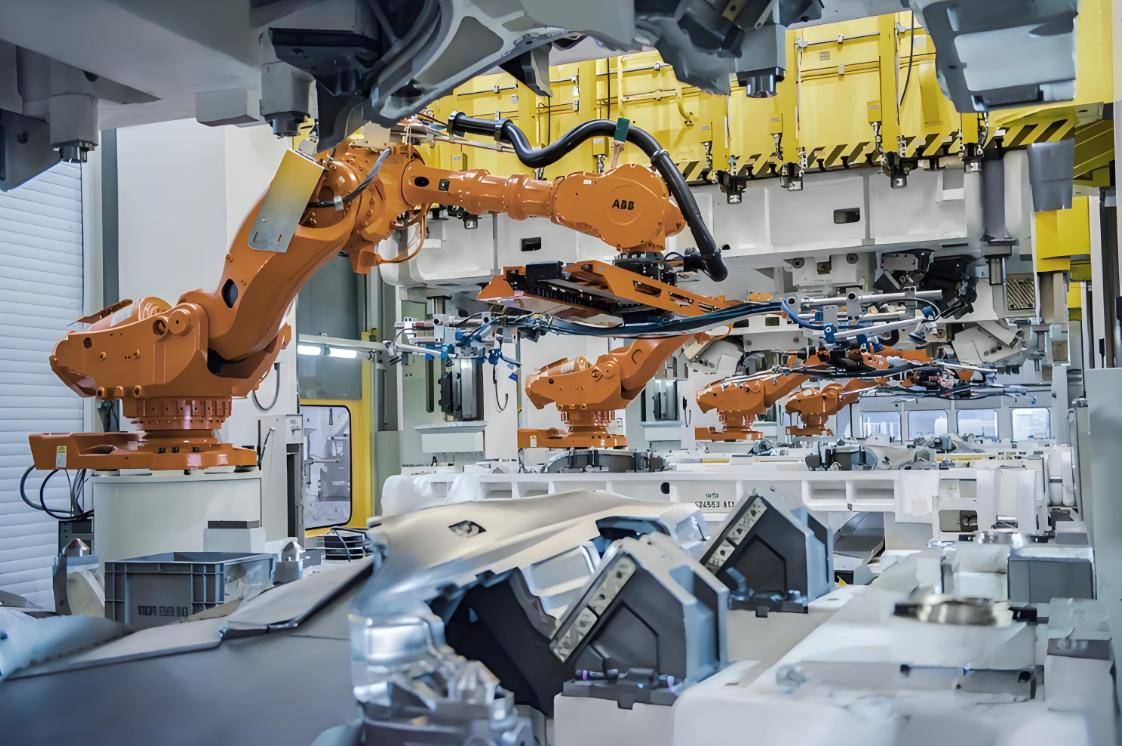
Robotic Welding: The integration of robotic arms in welding has increased efficiency, precision, and safety. Robots can perform repetitive welding tasks with high accuracy and consistency, reducing the chances of human error and increasing production speed.

Automated Bending and Cutting: Automated machines for bending and cutting metals (e.g., laser cutting, water jet cutting, and plasma cutting) have improved the precision and consistency of the work, reducing labor costs and waste.


2. Additive Manufacturing (3D Printing)

Metal 3D Printing: Additive manufacturing (AM) techniques like selective laser sintering (SLS) and direct metal laser sintering (DMLS) have allowed for the creation of highly complex metal parts that were previously difficult or impossible to fabricate using traditional methods. This technology enables on-demand production, customization, and rapid prototyping.

Fused Deposition Modeling (FDM) for metal has made it easier and cheaper to produce metal prototypes with intricate geometries, leading to faster design iterations and reduced production costs.


3. Precision and Quality Control

Laser Cutting and Laser Engraving: Laser cutting has become a highly precise method for cutting metals, offering a high degree of accuracy and minimal material waste. It also allows for intricate designs and fine details that would be difficult to achieve with traditional cutting methods.

Robotic Inspection: Advanced robots with integrated sensors and machine vision systems are used for quality control, identifying defects in metal parts or assemblies in real time, which helps ensure higher-quality products and reduces the need for manual inspections.

Coordinate Measuring Machines (CMMs): These machines are used to check the dimensions and tolerances of metal parts with high accuracy, ensuring that the parts meet required specifications and quality standards.


4. Material Advancements

High-Performance Alloys: The development of new and improved metal alloys, including lightweight materials such as aluminum, titanium, and composite alloys, allows for more durable and versatile components in metal fabrication.

Corrosion-Resistant Materials: Advances in corrosion-resistant metals, such as stainless steel and coated steels, have extended the lifespan of fabricated metal products, reducing the need for maintenance and improving durability, especially in harsh environments.

Recyclable Materials: The use of more sustainable and recyclable materials has gained traction in metal fabrication, helping reduce environmental impact and promoting sustainability.


5. Welding Technology Improvements

Laser Welding: This technology offers precise control, minimal heat distortion, and high-speed welding for both thick and thin metal parts. It is widely used in industries like aerospace, automotive, and electronics.

Friction Stir Welding (FSW): FSW is a solid-state welding process that eliminates the need for fillers or flux, producing strong, lightweight welds, particularly in the aerospace and automotive industries.

TIG and MIG Welding: Advances in Tungsten Inert Gas (TIG) and Metal Inert Gas (MIG) welding technologies have enhanced control over welds, making them more reliable and efficient, with improved arc stability and weld bead appearance.


6. Metal Forming and Bending

Hydraulic Press Brakes: Modern hydraulic press brakes are designed to handle larger and thicker metal sheets with better precision. New systems come with CNC controls and servo-electric drives, improving accuracy, speed, and energy efficiency.

Roll Forming: Improvements in roll forming equipment allow for the continuous shaping of long metal sheets, producing parts with high precision and uniformity. This is particularly useful for making parts like roofing panels and structural components.

Deep Drawing: This forming technique, often used in the automotive industry, has benefited from advanced tooling, automated processes, and better material handling, enabling the production of more intricate and thinner metal parts.


7. Finishing Techniques

Powder Coating: Powder coating technology has evolved, providing a more durable and environmentally friendly alternative to traditional liquid coatings. It offers better protection against corrosion, scratches, and weathering.

Electroplating and Anodizing: Advances in electroplating (for adding coatings such as gold, silver, or nickel to metals) and anodizing (especially for aluminum) have led to more resilient finishes, enhancing the appearance, corrosion resistance, and wear resistance of metal parts.

Polishing and Buffing: New polishing methods and machines, such as vibratory polishing, offer improved consistency in finishing metal surfaces, creating smoother and shinier finishes for both aesthetic and functional purposes.


8. Laser and Plasma Cutting

High-Power Fiber Lasers: Modern laser cutting machines, especially those using fiber lasers, offer better cutting speeds, lower operational costs, and the ability to cut a wider range of materials with greater precision and accuracy compared to older CO2 lasers.

Plasma Cutting Improvements: Plasma cutting machines have evolved to allow for cleaner cuts with reduced thermal distortion. Advances in high-definition plasma cutting provide better edge quality and faster processing speeds.


9. Sustainability and Energy Efficiency

Energy-Efficient Machinery: New metal fabrication equipment is more energy-efficient, incorporating features such as variable-speed drives and regenerative braking systems to reduce energy consumption and improve overall cost-effectiveness.

Waste Reduction: Advances in lean manufacturing and material optimization software have reduced scrap material, improving material usage efficiency and reducing environmental impact. Some machines also incorporate automated waste handling to minimize material waste during cutting and shaping processes.


10. Supply Chain and Data Integration

Integrated ERP Systems: Enterprise Resource Planning (ERP) systems now integrate with metal fabrication processes, helping companies manage inventory, order tracking, and production scheduling more efficiently.

IoT (Internet of Things): IoT technology is being embedded into fabrication machinery, allowing for real-time data collection, predictive maintenance, and remote monitoring, which ensures better machine uptime and fewer breakdowns.

Cloud-Based Design and Manufacturing: Cloud computing enables real-time collaboration on design projects, even across global locations. It also supports advanced simulations and allows manufacturers to optimize the entire fabrication workflow.


11. Safety Enhancements

Smart Safety Systems: Advances in safety equipment include sensors and AI-powered monitoring systems that can detect hazards like overheating or incorrect handling of materials, alerting operators to potential risks in real time.

Advanced Safety Protocols: Machine safety features such as automatic shutdowns, guarding, and safety interlocks have been enhanced to comply with modern safety standards and regulations.


12. Customization and Design Flexibility

Software for Customization: The ability to create highly complex, custom designs using CAD (Computer-Aided Design) and CAM (Computer-Aided Manufacturing) software has improved, allowing for faster prototyping and design iterations in metal fabrication.

Flexible Production Lines: Modern production lines are more adaptable and capable of switching between different types of products and designs without long downtime or major reconfigurations, providing greater flexibility and reducing production lead times.


Improvements in metal fabrication have been driven by innovations in technology, materials, and processes, resulting in increased efficiency, precision, sustainability, and cost-effectiveness. These advancements span various stages of the fabrication process, from design to finishing. The key categories of improvement in metal fabrication include:


1. Automation and Robotics

CNC Machines (Computer Numerical Control): CNC technology has significantly improved the precision, speed, and repeatability of metal fabrication. CNC lathes, milling machines, and routers are now equipped with advanced software that allows for more complex designs and faster production times.

Robotic Welding: The integration of robotic arms in welding has increased efficiency, precision, and safety. Robots can perform repetitive welding tasks with high accuracy and consistency, reducing the chances of human error and increasing production speed.

Automated Bending and Cutting: Automated machines for bending and cutting metals (e.g., laser cutting, water jet cutting, and plasma cutting) have improved the precision and consistency of the work, reducing labor costs and waste.


2. Additive Manufacturing (3D Printing)

Metal 3D Printing: Additive manufacturing (AM) techniques like selective laser sintering (SLS) and direct metal laser sintering (DMLS) have allowed for the creation of highly complex metal parts that were previously difficult or impossible to fabricate using traditional methods. This technology enables on-demand production, customization, and rapid prototyping.

Fused Deposition Modeling (FDM) for metal has made it easier and cheaper to produce metal prototypes with intricate geometries, leading to faster design iterations and reduced production costs.


3. Precision and Quality Control

Laser Cutting and Laser Engraving: Laser cutting has become a highly precise method for cutting metals, offering a high degree of accuracy and minimal material waste. It also allows for intricate designs and fine details that would be difficult to achieve with traditional cutting methods.

Robotic Inspection: Advanced robots with integrated sensors and machine vision systems are used for quality control, identifying defects in metal parts or assemblies in real time, which helps ensure higher-quality products and reduces the need for manual inspections.

Coordinate Measuring Machines (CMMs): These machines are used to check the dimensions and tolerances of metal parts with high accuracy, ensuring that the parts meet required specifications and quality standards.


4. Material Advancements

High-Performance Alloys: The development of new and improved metal alloys, including lightweight materials such as aluminum, titanium, and composite alloys, allows for more durable and versatile components in metal fabrication.

Corrosion-Resistant Materials: Advances in corrosion-resistant metals, such as stainless steel and coated steels, have extended the lifespan of fabricated metal products, reducing the need for maintenance and improving durability, especially in harsh environments.

Recyclable Materials: The use of more sustainable and recyclable materials has gained traction in metal fabrication, helping reduce environmental impact and promoting sustainability.


5. Welding Technology Improvements

Laser Welding: This technology offers precise control, minimal heat distortion, and high-speed welding for both thick and thin metal parts. It is widely used in industries like aerospace, automotive, and electronics.

Friction Stir Welding (FSW): FSW is a solid-state welding process that eliminates the need for fillers or flux, producing strong, lightweight welds, particularly in the aerospace and automotive industries.

TIG and MIG Welding: Advances in Tungsten Inert Gas (TIG) and Metal Inert Gas (MIG) welding technologies have enhanced control over welds, making them more reliable and efficient, with improved arc stability and weld bead appearance.


6. Metal Forming and Bending

Hydraulic Press Brakes: Modern hydraulic press brakes are designed to handle larger and thicker metal sheets with better precision. New systems come with CNC controls and servo-electric drives, improving accuracy, speed, and energy efficiency.

Roll Forming: Improvements in roll forming equipment allow for the continuous shaping of long metal sheets, producing parts with high precision and uniformity. This is particularly useful for making parts like roofing panels and structural components.

Deep Drawing: This forming technique, often used in the automotive industry, has benefited from advanced tooling, automated processes, and better material handling, enabling the production of more intricate and thinner metal parts.


7. Finishing Techniques

Powder Coating: Powder coating technology has evolved, providing a more durable and environmentally friendly alternative to traditional liquid coatings. It offers better protection against corrosion, scratches, and weathering.

Electroplating and Anodizing: Advances in electroplating (for adding coatings such as gold, silver, or nickel to metals) and anodizing (especially for aluminum) have led to more resilient finishes, enhancing the appearance, corrosion resistance, and wear resistance of metal parts.

Polishing and Buffing: New polishing methods and machines, such as vibratory polishing, offer improved consistency in finishing metal surfaces, creating smoother and shinier finishes for both aesthetic and functional purposes.


8. Laser and Plasma Cutting

High-Power Fiber Lasers: Modern laser cutting machines, especially those using fiber lasers, offer better cutting speeds, lower operational costs, and the ability to cut a wider range of materials with greater precision and accuracy compared to older CO2 lasers.

Plasma Cutting Improvements: Plasma cutting machines have evolved to allow for cleaner cuts with reduced thermal distortion. Advances in high-definition plasma cutting provide better edge quality and faster processing speeds.


9. Sustainability and Energy Efficiency

Energy-Efficient Machinery: New metal fabrication equipment is more energy-efficient, incorporating features such as variable-speed drives and regenerative braking systems to reduce energy consumption and improve overall cost-effectiveness.

Waste Reduction: Advances in lean manufacturing and material optimization software have reduced scrap material, improving material usage efficiency and reducing environmental impact. Some machines also incorporate automated waste handling to minimize material waste during cutting and shaping processes.


10. Supply Chain and Data Integration

Integrated ERP Systems: Enterprise Resource Planning (ERP) systems now integrate with metal fabrication processes, helping companies manage inventory, order tracking, and production scheduling more efficiently.

IoT (Internet of Things): IoT technology is being embedded into fabrication machinery, allowing for real-time data collection, predictive maintenance, and remote monitoring, which ensures better machine uptime and fewer breakdowns.

Cloud-Based Design and Manufacturing: Cloud computing enables real-time collaboration on design projects, even across global locations. It also supports advanced simulations and allows manufacturers to optimize the entire fabrication workflow.


11. Safety Enhancements

Smart Safety Systems: Advances in safety equipment include sensors and AI-powered monitoring systems that can detect hazards like overheating or incorrect handling of materials, alerting operators to potential risks in real time.

Advanced Safety Protocols: Machine safety features such as automatic shutdowns, guarding, and safety interlocks have been enhanced to comply with modern safety standards and regulations.


12. Customization and Design Flexibility

Software for Customization: The ability to create highly complex, custom designs using CAD (Computer-Aided Design) and CAM (Computer-Aided Manufacturing) software has improved, allowing for faster prototyping and design iterations in metal fabrication.

Flexible Production Lines: Modern production lines are more adaptable and capable of switching between different types of products and designs without long downtime or major reconfigurations, providing greater flexibility and reducing production lead times.


[ Retract ]
Core suppliers