Industry
Get a free quote Join to take orders
Industrial Equipment

There have been significant improvements in industrial equipment, driven by advancements in technology, automation, and materials science. These advancements have led to more efficient, cost-effective, safe, and sustainable industrial operations, benefiting both manufacturers and the broader economy. Some key areas of improvement include:


1. Automation and Robotics

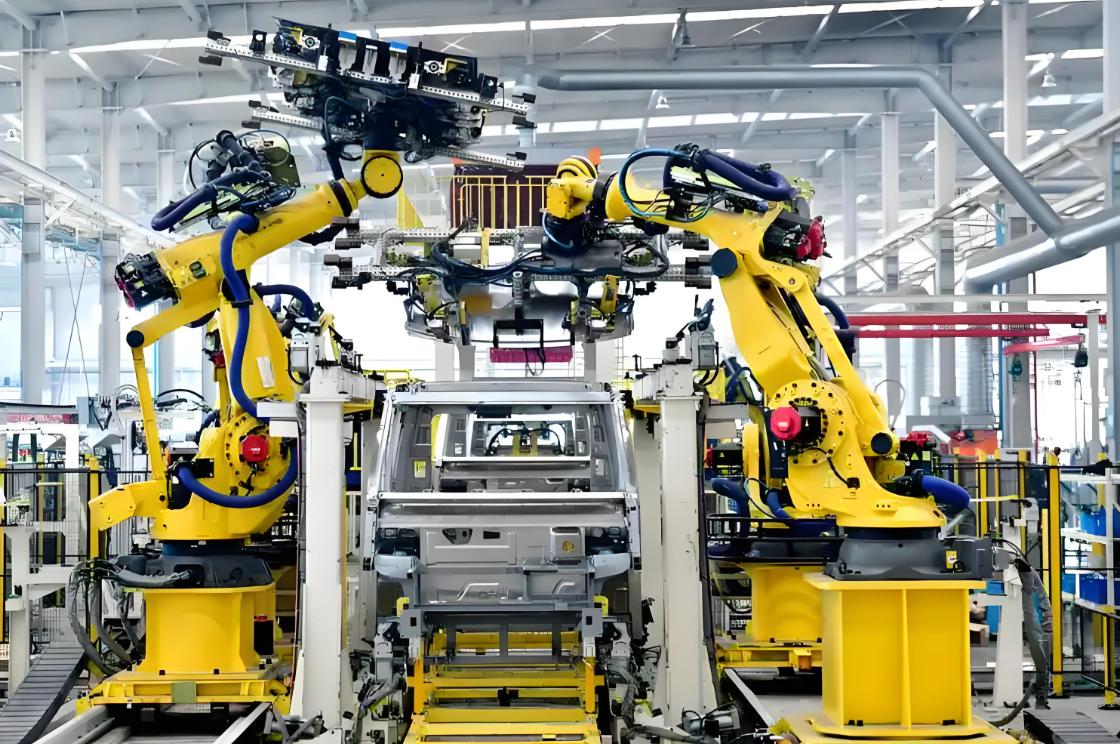
Robotic arms and collaborative robots have become more affordable and precise. They can work alongside humans, performing repetitive or dangerous tasks.

Autonomous mobile robots (AMRs) are now capable of transporting materials autonomously in warehouses and factories, improving logistics.

AI and machine learning are now being integrated into industrial equipment, allowing machines to learn from data, predict failures, and optimize performance.


2. IoT (Internet of Things) Integration

Industrial equipment now comes with sensors and connectivity that allow machines to collect data in real time.

This data is used for predictive maintenance, performance monitoring, and quality control, reducing downtime and increasing efficiency.

Remote monitoring systems also allow for better asset management and reduce the need for manual checks.


3. Energy Efficiency

New equipment designs are focused on reducing energy consumption, with more efficient motors, power systems, and machinery.

Smart energy management systems are implemented to optimize energy use in industrial facilities.

Equipment is being developed to harness renewable energy sources such as solar or wind power, particularly for industries that require large amounts of energy.


4. Advanced Materials

The use of lighter, stronger, and more durable materials such as carbon fiber, high-strength steel, and composites is becoming more common, which results in longer-lasting and more efficient equipment.

Wear-resistant coatings and corrosion-resistant materials have improved the longevity of machinery, especially in harsh environments.


5. Additive Manufacturing (3D Printing)

3D printing is revolutionizing the way industrial equipment is designed and maintained, allowing for faster prototyping and the ability to create custom parts on demand.

This helps reduce lead times and costs associated with traditional manufacturing methods.


6. Smart Equipment and Digital Twins

Digital twins are virtual models of physical assets that allow for simulation, monitoring, and analysis of equipment in real-time. This aids in optimization, troubleshooting, and predictive maintenance.

Machines with built-in artificial intelligence (AI) can monitor performance, detect anomalies, and suggest maintenance actions without requiring human intervention.


7. Safety Improvements

The development of safety sensors, emergency shutdown systems, and smart protective gear is improving worker safety.

Wearables that track worker health and stress levels are now used in industries like mining and construction to monitor conditions and prevent accidents.


8. Connectivity and Cloud Computing

Cloud-based systems enable remote management and control of industrial equipment, making it easier to monitor large operations and ensure that everything is running smoothly.

Edge computing is also gaining popularity, where data is processed closer to the source to reduce latency and improve decision-making.


9. Precision and Quality Control

Advances in sensors, lasers, and cameras have improved the precision of industrial equipment.

Machine vision systems can inspect products in real time, ensuring high-quality standards and reducing waste.


10. Sustainability and Recycling

Many industrial systems are now designed with a focus on sustainability, reducing waste, recycling materials, and minimizing harmful emissions.

Closed-loop systems and circular economy principles are increasingly adopted in manufacturing to promote sustainability.


There have been significant improvements in industrial equipment, driven by advancements in technology, automation, and materials science. These advancements have led to more efficient, cost-effective, safe, and sustainable industrial operations, benefiting both manufacturers and the broader economy. Some key areas of improvement include:


1. Automation and Robotics

Robotic arms and collaborative robots have become more affordable and precise. They can work alongside humans, performing repetitive or dangerous tasks.

Autonomous mobile robots (AMRs) are now capable of transporting materials autonomously in warehouses and factories, improving logistics.

AI and machine learning are now being integrated into industrial equipment, allowing machines to learn from data, predict failures, and optimize performance.


2. IoT (Internet of Things) Integration

Industrial equipment now comes with sensors and connectivity that allow machines to collect data in real time.

This data is used for predictive maintenance, performance monitoring, and quality control, reducing downtime and increasing efficiency.

Remote monitoring systems also allow for better asset management and reduce the need for manual checks.


3. Energy Efficiency

New equipment designs are focused on reducing energy consumption, with more efficient motors, power systems, and machinery.

Smart energy management systems are implemented to optimize energy use in industrial facilities.

Equipment is being developed to harness renewable energy sources such as solar or wind power, particularly for industries that require large amounts of energy.


4. Advanced Materials

The use of lighter, stronger, and more durable materials such as carbon fiber, high-strength steel, and composites is becoming more common, which results in longer-lasting and more efficient equipment.

Wear-resistant coatings and corrosion-resistant materials have improved the longevity of machinery, especially in harsh environments.


5. Additive Manufacturing (3D Printing)

3D printing is revolutionizing the way industrial equipment is designed and maintained, allowing for faster prototyping and the ability to create custom parts on demand.

This helps reduce lead times and costs associated with traditional manufacturing methods.


6. Smart Equipment and Digital Twins

Digital twins are virtual models of physical assets that allow for simulation, monitoring, and analysis of equipment in real-time. This aids in optimization, troubleshooting, and predictive maintenance.

Machines with built-in artificial intelligence (AI) can monitor performance, detect anomalies, and suggest maintenance actions without requiring human intervention.


7. Safety Improvements

The development of safety sensors, emergency shutdown systems, and smart protective gear is improving worker safety.

Wearables that track worker health and stress levels are now used in industries like mining and construction to monitor conditions and prevent accidents.


8. Connectivity and Cloud Computing

Cloud-based systems enable remote management and control of industrial equipment, making it easier to monitor large operations and ensure that everything is running smoothly.

Edge computing is also gaining popularity, where data is processed closer to the source to reduce latency and improve decision-making.


9. Precision and Quality Control

Advances in sensors, lasers, and cameras have improved the precision of industrial equipment.

Machine vision systems can inspect products in real time, ensuring high-quality standards and reducing waste.


10. Sustainability and Recycling

Many industrial systems are now designed with a focus on sustainability, reducing waste, recycling materials, and minimizing harmful emissions.

Closed-loop systems and circular economy principles are increasingly adopted in manufacturing to promote sustainability.


[ Retract ]
Core suppliers