Industry
Get a free quote Join to take orders
Telecommunications
Telecommunications

In telecommunications manufacturing, improvements are continuously being made across several categories to enhance production efficiency, product quality, and the ability to meet growing demand for advanced technologies. These improvements span the design, manufacturing, testing, and distribution stages, covering hardware and equipment involved in telecommunications infrastructure, devices, and systems. Here are the key categories of improvements in telecommunications manufacturing:


1. Manufacturing Processes

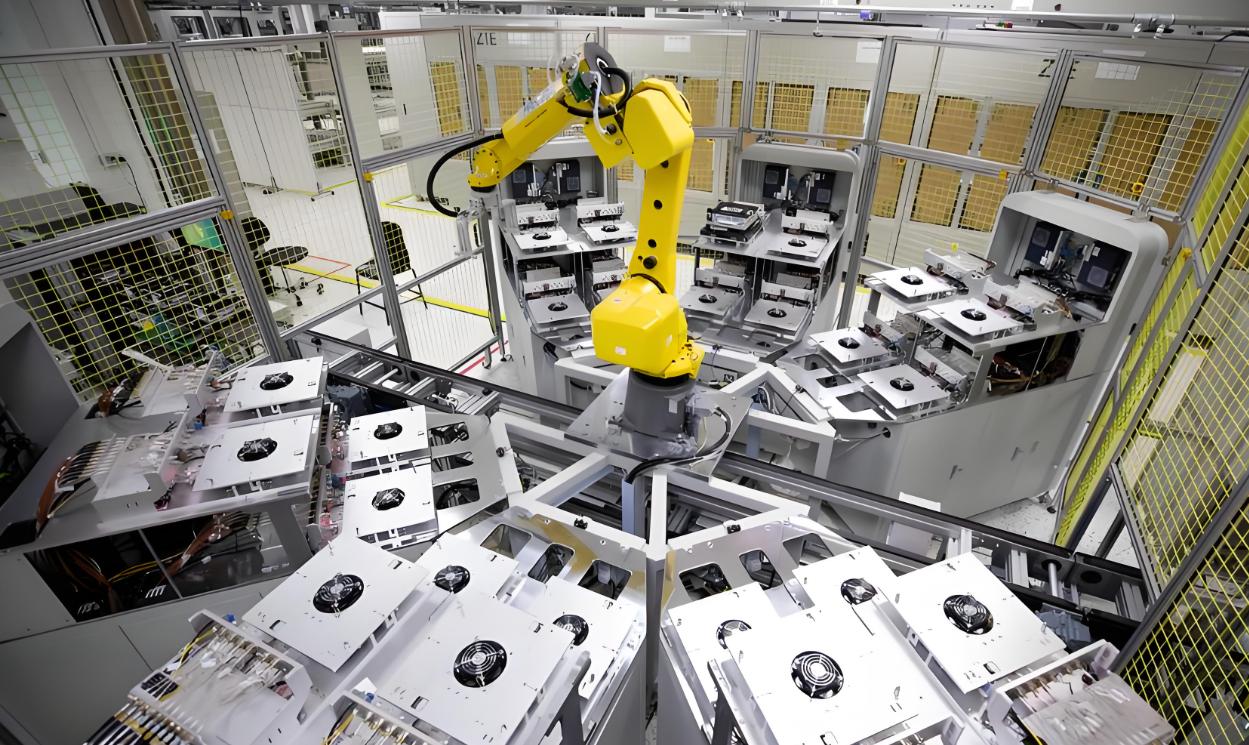
Automation and Robotics: Implementation of robotics and automated production lines in the manufacturing process to reduce labor costs, increase precision, and accelerate production cycles. Automated assembly lines allow for more consistent and efficient production of telecommunications equipment.

Additive Manufacturing (3D Printing): The adoption of 3D printing for prototyping, custom components, and even end-use parts in some cases. This method enables faster development cycles, reduced waste, and the production of complex parts with better design flexibility.

Lean Manufacturing: Application of lean manufacturing principles to eliminate waste, improve workflow efficiency, reduce lead times, and enhance the overall cost-effectiveness of production processes.

Flexible Manufacturing Systems (FMS): Integration of FMS enables the production of different models or configurations of products without requiring significant downtime for retooling, making production more adaptable to market demands.

Smart Manufacturing: The incorporation of smart manufacturing technologies, including IoT sensors, AI, and big data analytics to monitor and optimize the manufacturing process, predict maintenance needs, and improve product quality in real time.


2. Product Design and Development

Advanced Materials: Use of advanced materials such as lightweight alloys, composite materials, and new polymers to reduce the weight, improve durability, and enhance the performance of telecommunications products like antennas, cables, and routers.

Modular Design: Adoption of modular design in product development to enable easy upgrades, repairs, and scalability of equipment. This is crucial in industries like network infrastructure, where equipment needs to evolve rapidly.

Miniaturization: Continuous focus on miniaturization of components to create smaller and more efficient devices and hardware (e.g., antennas, routers, cell towers) without compromising functionality, enabling more compact telecommunications equipment.

Sustainability in Design: Focus on developing products with sustainable materials, energy-efficient components, and design strategies that reduce environmental impact. This includes efforts to ensure recyclability and minimize the carbon footprint during the product lifecycle.


3. Supply Chain Management and Logistics

Supply Chain Automation: Use of advanced software for real-time tracking, inventory management, and demand forecasting to ensure that telecommunications manufacturers have the right materials at the right time, reducing delays and shortages.

Just-in-Time (JIT) Production: The implementation of JIT production strategies to minimize inventory costs and optimize the flow of materials and components to meet production needs efficiently.

Global Sourcing and Procurement: Sourcing high-quality components from around the world and establishing partnerships with trusted suppliers to ensure access to the latest technologies and maintain cost-effective production.


4. Quality Control and Testing

Automated Testing: The integration of automated testing equipment to ensure the performance, reliability, and safety of telecommunications products. Automated systems can conduct rigorous, high-throughput testing of components and devices, ensuring adherence to industry standards.

End-to-End Testing: Comprehensive testing throughout the production process, from raw materials to final product assembly, ensures that all telecommunications equipment meets the required standards and performs reliably in the field.

Quality Assurance (QA) Systems: The adoption of AI-driven QA systems for identifying defects or irregularities in the production process, allowing manufacturers to identify problems early and make corrections before products reach consumers.

Certification and Compliance: Improving adherence to international standards (e.g., ISO 9001, RoHS, CE certifications) ensures that products meet safety and regulatory guidelines and are suitable for global markets.


5. Energy Efficiency and Sustainability

Energy-Efficient Manufacturing: Focus on optimizing the energy consumption of manufacturing processes by implementing energy-efficient equipment, using renewable energy sources (e.g., solar, wind), and reducing wasteful practices in production.

Eco-Friendly Packaging: Improving packaging materials and practices to minimize environmental impact. This includes using recyclable or biodegradable materials and reducing packaging size to lower carbon emissions during transportation.

Waste Reduction: Adopting zero-waste manufacturing practices, where every part of the production process is optimized to reduce scrap and waste, helping companies meet sustainability goals while saving on material costs.


6. Advanced Production Technologies

Robotic Process Automation (RPA): Use of robotic process automation in non-manufacturing processes, such as inventory management, procurement, and logistics. RPA reduces human error, accelerates administrative tasks, and enhances overall productivity.

CNC Machining and Precision Manufacturing: Use of CNC machining (Computer Numerical Control) for the production of intricate and precise parts for telecommunications equipment. This improves accuracy and reduces production time.

Laser and 3D Laser Printing: Laser cutting and 3D laser printing technologies are used for high-precision production of metal and non-metal components. They enable intricate designs, reduced material wastage, and faster lead times in telecommunications manufacturing.


7. Customization and Personalization

Tailored Solutions: Manufacturers are offering more customized telecommunications equipment to meet specific needs, whether it's for small-scale private networks, specialized industry use (e.g., medical, automotive), or consumer preferences.

On-Demand Manufacturing: The development of on-demand production capabilities that allow manufacturers to produce telecommunications products based on real-time customer orders, improving inventory management and customer satisfaction.


8. Supply Chain Security and Risk Management

Blockchain for Supply Chain Transparency: The use of blockchain technology to enhance supply chain security, track the movement of components, and provide transparency in sourcing and manufacturing, reducing the risk of counterfeiting and ensuring authenticity.

Risk Management Systems: Improved risk management strategies, including predictive analytics and contingency planning, to address disruptions in the supply chain, such as geopolitical risks, component shortages, and global pandemics.

Cybersecurity in Manufacturing: With the increasing use of Industry 4.0 technologies and IoT in manufacturing processes, the need for robust cybersecurity measures is essential to protect intellectual property and prevent data breaches.


9. Labor Force and Workforce Development

Skilled Workforce: As manufacturing processes become more advanced, manufacturers are focusing on building a highly skilled workforce to operate and maintain new technologies such as robotics, AI, and smart manufacturing tools.

Employee Training and Education: Ongoing investment in training programs to upskill employees in areas such as data analytics, automation, and robotics ensures that workers are prepared for the evolving demands of telecommunications manufacturing.


10. Supply Chain Resilience

Diversification of Suppliers: Reducing dependency on single sources for critical components and diversifying the supplier base to ensure continuous production even during supply chain disruptions.

Nearshoring: A shift towards nearshoring or reshoring manufacturing to closer locations, reducing the risk of international shipping delays and providing more control over the production process.


In telecommunications manufacturing, improvements are continuously being made across several categories to enhance production efficiency, product quality, and the ability to meet growing demand for advanced technologies. These improvements span the design, manufacturing, testing, and distribution stages, covering hardware and equipment involved in telecommunications infrastructure, devices, and systems. Here are the key categories of improvements in telecommunications manufacturing:


1. Manufacturing Processes

Automation and Robotics: Implementation of robotics and automated production lines in the manufacturing process to reduce labor costs, increase precision, and accelerate production cycles. Automated assembly lines allow for more consistent and efficient production of telecommunications equipment.

Additive Manufacturing (3D Printing): The adoption of 3D printing for prototyping, custom components, and even end-use parts in some cases. This method enables faster development cycles, reduced waste, and the production of complex parts with better design flexibility.

Lean Manufacturing: Application of lean manufacturing principles to eliminate waste, improve workflow efficiency, reduce lead times, and enhance the overall cost-effectiveness of production processes.

Flexible Manufacturing Systems (FMS): Integration of FMS enables the production of different models or configurations of products without requiring significant downtime for retooling, making production more adaptable to market demands.

Smart Manufacturing: The incorporation of smart manufacturing technologies, including IoT sensors, AI, and big data analytics to monitor and optimize the manufacturing process, predict maintenance needs, and improve product quality in real time.


2. Product Design and Development

Advanced Materials: Use of advanced materials such as lightweight alloys, composite materials, and new polymers to reduce the weight, improve durability, and enhance the performance of telecommunications products like antennas, cables, and routers.

Modular Design: Adoption of modular design in product development to enable easy upgrades, repairs, and scalability of equipment. This is crucial in industries like network infrastructure, where equipment needs to evolve rapidly.

Miniaturization: Continuous focus on miniaturization of components to create smaller and more efficient devices and hardware (e.g., antennas, routers, cell towers) without compromising functionality, enabling more compact telecommunications equipment.

Sustainability in Design: Focus on developing products with sustainable materials, energy-efficient components, and design strategies that reduce environmental impact. This includes efforts to ensure recyclability and minimize the carbon footprint during the product lifecycle.


3. Supply Chain Management and Logistics

Supply Chain Automation: Use of advanced software for real-time tracking, inventory management, and demand forecasting to ensure that telecommunications manufacturers have the right materials at the right time, reducing delays and shortages.

Just-in-Time (JIT) Production: The implementation of JIT production strategies to minimize inventory costs and optimize the flow of materials and components to meet production needs efficiently.

Global Sourcing and Procurement: Sourcing high-quality components from around the world and establishing partnerships with trusted suppliers to ensure access to the latest technologies and maintain cost-effective production.


4. Quality Control and Testing

Automated Testing: The integration of automated testing equipment to ensure the performance, reliability, and safety of telecommunications products. Automated systems can conduct rigorous, high-throughput testing of components and devices, ensuring adherence to industry standards.

End-to-End Testing: Comprehensive testing throughout the production process, from raw materials to final product assembly, ensures that all telecommunications equipment meets the required standards and performs reliably in the field.

Quality Assurance (QA) Systems: The adoption of AI-driven QA systems for identifying defects or irregularities in the production process, allowing manufacturers to identify problems early and make corrections before products reach consumers.

Certification and Compliance: Improving adherence to international standards (e.g., ISO 9001, RoHS, CE certifications) ensures that products meet safety and regulatory guidelines and are suitable for global markets.


5. Energy Efficiency and Sustainability

Energy-Efficient Manufacturing: Focus on optimizing the energy consumption of manufacturing processes by implementing energy-efficient equipment, using renewable energy sources (e.g., solar, wind), and reducing wasteful practices in production.

Eco-Friendly Packaging: Improving packaging materials and practices to minimize environmental impact. This includes using recyclable or biodegradable materials and reducing packaging size to lower carbon emissions during transportation.

Waste Reduction: Adopting zero-waste manufacturing practices, where every part of the production process is optimized to reduce scrap and waste, helping companies meet sustainability goals while saving on material costs.


6. Advanced Production Technologies

Robotic Process Automation (RPA): Use of robotic process automation in non-manufacturing processes, such as inventory management, procurement, and logistics. RPA reduces human error, accelerates administrative tasks, and enhances overall productivity.

CNC Machining and Precision Manufacturing: Use of CNC machining (Computer Numerical Control) for the production of intricate and precise parts for telecommunications equipment. This improves accuracy and reduces production time.

Laser and 3D Laser Printing: Laser cutting and 3D laser printing technologies are used for high-precision production of metal and non-metal components. They enable intricate designs, reduced material wastage, and faster lead times in telecommunications manufacturing.


7. Customization and Personalization

Tailored Solutions: Manufacturers are offering more customized telecommunications equipment to meet specific needs, whether it's for small-scale private networks, specialized industry use (e.g., medical, automotive), or consumer preferences.

On-Demand Manufacturing: The development of on-demand production capabilities that allow manufacturers to produce telecommunications products based on real-time customer orders, improving inventory management and customer satisfaction.


8. Supply Chain Security and Risk Management

Blockchain for Supply Chain Transparency: The use of blockchain technology to enhance supply chain security, track the movement of components, and provide transparency in sourcing and manufacturing, reducing the risk of counterfeiting and ensuring authenticity.

Risk Management Systems: Improved risk management strategies, including predictive analytics and contingency planning, to address disruptions in the supply chain, such as geopolitical risks, component shortages, and global pandemics.

Cybersecurity in Manufacturing: With the increasing use of Industry 4.0 technologies and IoT in manufacturing processes, the need for robust cybersecurity measures is essential to protect intellectual property and prevent data breaches.


9. Labor Force and Workforce Development

Skilled Workforce: As manufacturing processes become more advanced, manufacturers are focusing on building a highly skilled workforce to operate and maintain new technologies such as robotics, AI, and smart manufacturing tools.

Employee Training and Education: Ongoing investment in training programs to upskill employees in areas such as data analytics, automation, and robotics ensures that workers are prepared for the evolving demands of telecommunications manufacturing.


10. Supply Chain Resilience

Diversification of Suppliers: Reducing dependency on single sources for critical components and diversifying the supplier base to ensure continuous production even during supply chain disruptions.

Nearshoring: A shift towards nearshoring or reshoring manufacturing to closer locations, reducing the risk of international shipping delays and providing more control over the production process.


[ Retract ]
Core suppliers