In the biomedical and pharmaceutical industries, improvements are continually being made to enhance product quality, production efficiency, regulatory compliance, and patient safety. These improvements can be categorized into several key areas, each focusing on specific aspects of the development and manufacturing process. Here are the primary categories of improvements in biomedical and pharmaceutical industries:
1. Drug Development and Research
Preclinical Research: Innovations in animal models, tissue cultures, and organ-on-a-chip technologies to improve the accuracy of drug testing before clinical trials.
Drug Discovery Technologies: Use of advanced tools like high-throughput screening (HTS), artificial intelligence (AI), and machine learning (ML) to speed up drug discovery and improve the identification of potential candidates for diseases.
Personalized Medicine: Development of drugs and treatments that are tailored to individual genetic profiles, improving efficacy and minimizing side effects.
Biologics and Biosimilars: Advances in biologic drugs, such as monoclonal antibodies, and the production of biosimilars that offer affordable alternatives to expensive biologics.
2. Manufacturing and Production
Continuous Manufacturing: The shift from batch to continuous manufacturing, improving efficiency, scalability, and product consistency, especially for biologics and large-scale pharmaceutical production.
Process Analytical Technology (PAT): Implementation of advanced sensors and analytical tools that monitor and control critical manufacturing parameters in real-time to ensure product quality and consistency.
Sterilization Techniques: Advancements in sterilization methods (e.g., gamma radiation, ethylene oxide, UV sterilization) to ensure the safety and microbiological control of medical devices, drugs, and packaging materials.
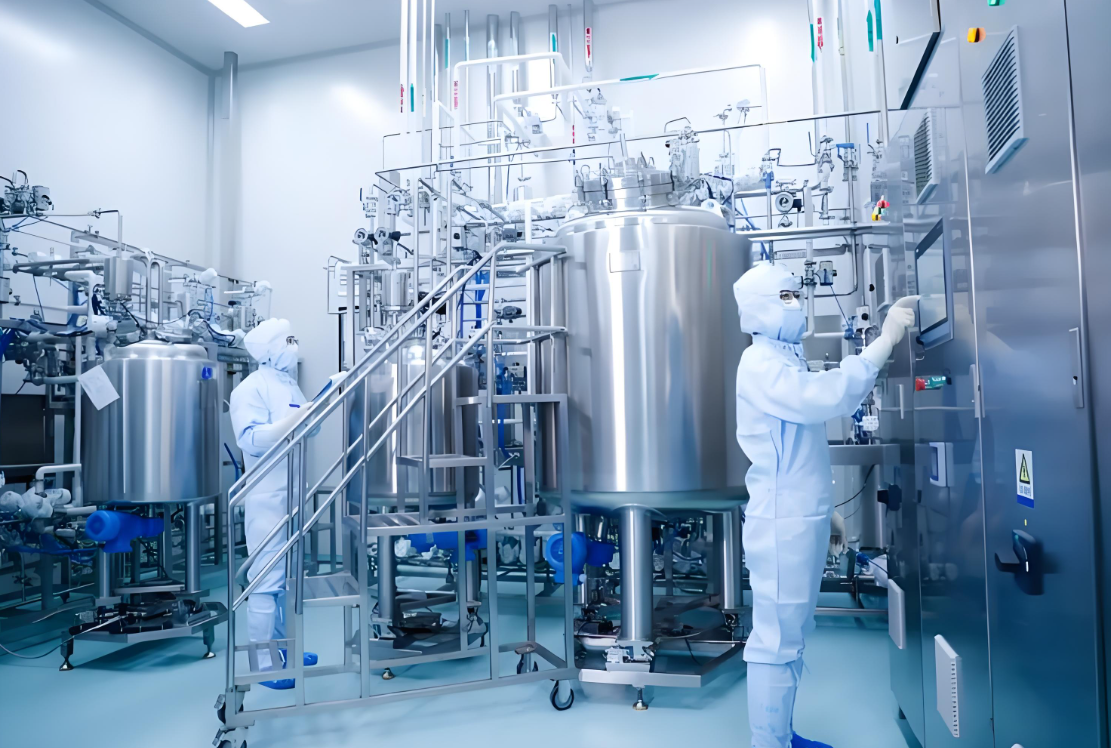
Cleanroom Technology: Development of advanced cleanroom designs and air filtration systems to minimize contamination during pharmaceutical and biomedical manufacturing processes.
Additive Manufacturing (3D Printing): The use of 3D printing for drug formulation, medical device production, and patient-specific devices, offering customizability and on-demand manufacturing.
3. Regulatory and Compliance Improvements
Good Manufacturing Practice (GMP): Continuous enhancement of GMP standards and technologies to ensure that pharmaceutical products are consistently produced and controlled according to quality standards.
Regulatory Automation and Electronic Submissions: Adoption of electronic submission systems, such as the Common Technical Document (CTD), to streamline the regulatory approval process for drugs and medical devices.
Clinical Trials Compliance: Improvements in clinical trial design, patient recruitment strategies, and real-time data collection to improve trial efficiency and compliance with regulatory requirements.
Traceability and Serialization: Implementation of track-and-trace systems and product serialization to ensure product authenticity, prevent counterfeiting, and comply with regulatory guidelines like the Drug Supply Chain Security Act (DSCSA).
4. Supply Chain and Logistics
Cold Chain Management: Enhanced systems for maintaining temperature-controlled environments throughout the distribution of biologics, vaccines, and other sensitive products, ensuring stability and safety.
Inventory Management: Use of advanced technologies such as RFID, IoT sensors, and AI-based algorithms to track inventory, optimize stock levels, and predict demand for pharmaceutical products.
Supply Chain Visibility: Deployment of digital platforms and blockchain technology to improve transparency, traceability, and real-time monitoring of drug and material movement through the supply chain.
Global Sourcing and Manufacturing: Strategic decisions to optimize global sourcing, reduce costs, and ensure the timely delivery of raw materials while complying with regulations.
5. Quality Control and Assurance
Automated Inspection Systems: Use of automated systems (e.g., vision systems, spectrometers) for inspecting drug products, packaging, and medical devices, ensuring that they meet stringent quality standards.
Real-Time Monitoring and Data Analytics: Integration of real-time data analytics and machine learning models to monitor critical production parameters, identify potential quality issues early, and predict future trends in production quality.
Microbiological Testing Innovations: Improvements in microbiological testing and contamination detection technologies to ensure the sterility and safety of pharmaceutical products and medical devices.
Risk-Based Quality Assurance: Shifting from traditional quality testing to a more proactive, risk-based approach that focuses on identifying and mitigating potential risks earlier in the production process.
6. Pharmaceutical Formulation and Delivery
Novel Drug Delivery Systems: Advancements in nanotechnology, liposomes, and microspheres to improve the controlled release and targeted delivery of drugs, enhancing efficacy and reducing side effects.
Biopharmaceutical Formulations: Development of more stable formulations for biologic drugs, ensuring easier storage, transportation, and administration of sensitive biologics such as monoclonal antibodies and vaccines.
Patient-Centric Formulations: Innovations in formulations that improve patient compliance, such as extended-release tablets, oral vaccines, and injectable drugs with longer shelf lives.
Transdermal and Inhalation Drug Delivery: New techniques and devices for transdermal (skin) patches and inhalation drug delivery, offering more convenient, non-invasive alternatives to oral or intravenous medication.
7. Clinical and Preclinical Testing
In Silico Models: The use of computational modeling and simulations to predict drug behavior and efficacy in humans, reducing the need for animal testing and accelerating the development process.
Patient-Centric Trials: Improved methods of patient recruitment and retention through the use of digital health tools, telemedicine, and decentralized trials, making clinical trials more inclusive and faster.
Real-World Evidence (RWE): The integration of real-world data from health records, wearable devices, and patient feedback into clinical trials and post-market surveillance to better understand the long-term effects of treatments.
Cell and Gene Therapies: Advancements in cell and gene therapies, enabling treatments for previously untreatable diseases by modifying cells or genetic material, significantly improving patient outcomes.
8. Manufacturing Equipment and Facility Design
Smart Manufacturing Equipment: The integration of IoT-enabled devices and big data analytics into manufacturing equipment to optimize performance, reduce downtime, and improve product consistency.
Modular Facility Designs: Design of flexible, scalable, and modular manufacturing plants that can be quickly adapted to produce different products or meet changing production demands.
Energy Efficiency: Improvements in energy management and optimization to reduce energy consumption in production facilities, reducing costs and environmental impact.
9. Environmental Sustainability and Green Chemistry
Green Chemistry and Solvent-Free Processes: Adoption of sustainable chemical processes that reduce the use of toxic solvents, minimize waste, and lower the environmental footprint of pharmaceutical manufacturing.
Waste Reduction and Recycling: Efforts to reduce manufacturing waste and increase recycling, such as reusing solvents, water, and materials, to create a more sustainable production process.
Sustainable Packaging: Innovations in biodegradable, recyclable, or reusable packaging for pharmaceutical products to reduce the industry's environmental impact.
10. Patient Monitoring and Digital Health
Wearable Devices: Development of wearable health devices that monitor patients in real-time, providing critical data for better treatment decisions and management of chronic diseases.
Telemedicine and Remote Monitoring: The use of telemedicine platforms and remote monitoring systems to provide more accessible care to patients, enabling pharmaceutical companies to better track patient progress and adjust treatments accordingly.
Mobile Health Applications: Use of mobile apps to support medication adherence, provide drug information, and allow real-time patient-provider communication, improving health outcomes.
In the biomedical and pharmaceutical industries, improvements are continually being made to enhance product quality, production efficiency, regulatory compliance, and patient safety. These improvements can be categorized into several key areas, each focusing on specific aspects of the development and manufacturing process. Here are the primary categories of improvements in biomedical and pharmaceutical industries:
1. Drug Development and Research
Preclinical Research: Innovations in animal models, tissue cultures, and organ-on-a-chip technologies to improve the accuracy of drug testing before clinical trials.
Drug Discovery Technologies: Use of advanced tools like high-throughput screening (HTS), artificial intelligence (AI), and machine learning (ML) to speed up drug discovery and improve the identification of potential candidates for diseases.
Personalized Medicine: Development of drugs and treatments that are tailored to individual genetic profiles, improving efficacy and minimizing side effects.
Biologics and Biosimilars: Advances in biologic drugs, such as monoclonal antibodies, and the production of biosimilars that offer affordable alternatives to expensive biologics.
2. Manufacturing and Production
Continuous Manufacturing: The shift from batch to continuous manufacturing, improving efficiency, scalability, and product consistency, especially for biologics and large-scale pharmaceutical production.
Process Analytical Technology (PAT): Implementation of advanced sensors and analytical tools that monitor and control critical manufacturing parameters in real-time to ensure product quality and consistency.
Sterilization Techniques: Advancements in sterilization methods (e.g., gamma radiation, ethylene oxide, UV sterilization) to ensure the safety and microbiological control of medical devices, drugs, and packaging materials.
Cleanroom Technology: Development of advanced cleanroom designs and air filtration systems to minimize contamination during pharmaceutical and biomedical manufacturing processes.
Additive Manufacturing (3D Printing): The use of 3D printing for drug formulation, medical device production, and patient-specific devices, offering customizability and on-demand manufacturing.
3. Regulatory and Compliance Improvements
Good Manufacturing Practice (GMP): Continuous enhancement of GMP standards and technologies to ensure that pharmaceutical products are consistently produced and controlled according to quality standards.
Regulatory Automation and Electronic Submissions: Adoption of electronic submission systems, such as the Common Technical Document (CTD), to streamline the regulatory approval process for drugs and medical devices.
Clinical Trials Compliance: Improvements in clinical trial design, patient recruitment strategies, and real-time data collection to improve trial efficiency and compliance with regulatory requirements.
Traceability and Serialization: Implementation of track-and-trace systems and product serialization to ensure product authenticity, prevent counterfeiting, and comply with regulatory guidelines like the Drug Supply Chain Security Act (DSCSA).
4. Supply Chain and Logistics
Cold Chain Management: Enhanced systems for maintaining temperature-controlled environments throughout the distribution of biologics, vaccines, and other sensitive products, ensuring stability and safety.
Inventory Management: Use of advanced technologies such as RFID, IoT sensors, and AI-based algorithms to track inventory, optimize stock levels, and predict demand for pharmaceutical products.
Supply Chain Visibility: Deployment of digital platforms and blockchain technology to improve transparency, traceability, and real-time monitoring of drug and material movement through the supply chain.
Global Sourcing and Manufacturing: Strategic decisions to optimize global sourcing, reduce costs, and ensure the timely delivery of raw materials while complying with regulations.
5. Quality Control and Assurance
Automated Inspection Systems: Use of automated systems (e.g., vision systems, spectrometers) for inspecting drug products, packaging, and medical devices, ensuring that they meet stringent quality standards.
Real-Time Monitoring and Data Analytics: Integration of real-time data analytics and machine learning models to monitor critical production parameters, identify potential quality issues early, and predict future trends in production quality.
Microbiological Testing Innovations: Improvements in microbiological testing and contamination detection technologies to ensure the sterility and safety of pharmaceutical products and medical devices.
Risk-Based Quality Assurance: Shifting from traditional quality testing to a more proactive, risk-based approach that focuses on identifying and mitigating potential risks earlier in the production process.
6. Pharmaceutical Formulation and Delivery
Novel Drug Delivery Systems: Advancements in nanotechnology, liposomes, and microspheres to improve the controlled release and targeted delivery of drugs, enhancing efficacy and reducing side effects.
Biopharmaceutical Formulations: Development of more stable formulations for biologic drugs, ensuring easier storage, transportation, and administration of sensitive biologics such as monoclonal antibodies and vaccines.
Patient-Centric Formulations: Innovations in formulations that improve patient compliance, such as extended-release tablets, oral vaccines, and injectable drugs with longer shelf lives.
Transdermal and Inhalation Drug Delivery: New techniques and devices for transdermal (skin) patches and inhalation drug delivery, offering more convenient, non-invasive alternatives to oral or intravenous medication.
7. Clinical and Preclinical Testing
In Silico Models: The use of computational modeling and simulations to predict drug behavior and efficacy in humans, reducing the need for animal testing and accelerating the development process.
Patient-Centric Trials: Improved methods of patient recruitment and retention through the use of digital health tools, telemedicine, and decentralized trials, making clinical trials more inclusive and faster.
Real-World Evidence (RWE): The integration of real-world data from health records, wearable devices, and patient feedback into clinical trials and post-market surveillance to better understand the long-term effects of treatments.
Cell and Gene Therapies: Advancements in cell and gene therapies, enabling treatments for previously untreatable diseases by modifying cells or genetic material, significantly improving patient outcomes.
8. Manufacturing Equipment and Facility Design
Smart Manufacturing Equipment: The integration of IoT-enabled devices and big data analytics into manufacturing equipment to optimize performance, reduce downtime, and improve product consistency.
Modular Facility Designs: Design of flexible, scalable, and modular manufacturing plants that can be quickly adapted to produce different products or meet changing production demands.
Energy Efficiency: Improvements in energy management and optimization to reduce energy consumption in production facilities, reducing costs and environmental impact.
9. Environmental Sustainability and Green Chemistry
Green Chemistry and Solvent-Free Processes: Adoption of sustainable chemical processes that reduce the use of toxic solvents, minimize waste, and lower the environmental footprint of pharmaceutical manufacturing.
Waste Reduction and Recycling: Efforts to reduce manufacturing waste and increase recycling, such as reusing solvents, water, and materials, to create a more sustainable production process.
Sustainable Packaging: Innovations in biodegradable, recyclable, or reusable packaging for pharmaceutical products to reduce the industry's environmental impact.
10. Patient Monitoring and Digital Health
Wearable Devices: Development of wearable health devices that monitor patients in real-time, providing critical data for better treatment decisions and management of chronic diseases.
Telemedicine and Remote Monitoring: The use of telemedicine platforms and remote monitoring systems to provide more accessible care to patients, enabling pharmaceutical companies to better track patient progress and adjust treatments accordingly.
Mobile Health Applications: Use of mobile apps to support medication adherence, provide drug information, and allow real-time patient-provider communication, improving health outcomes.
[ Retract  ]
]




 地址
地址 


